Film
duologue
Comedy-Drama
Romance

The Golden Age Paradox

from Midnight in Paris

Written by Woody Allen

Midnight in Paris

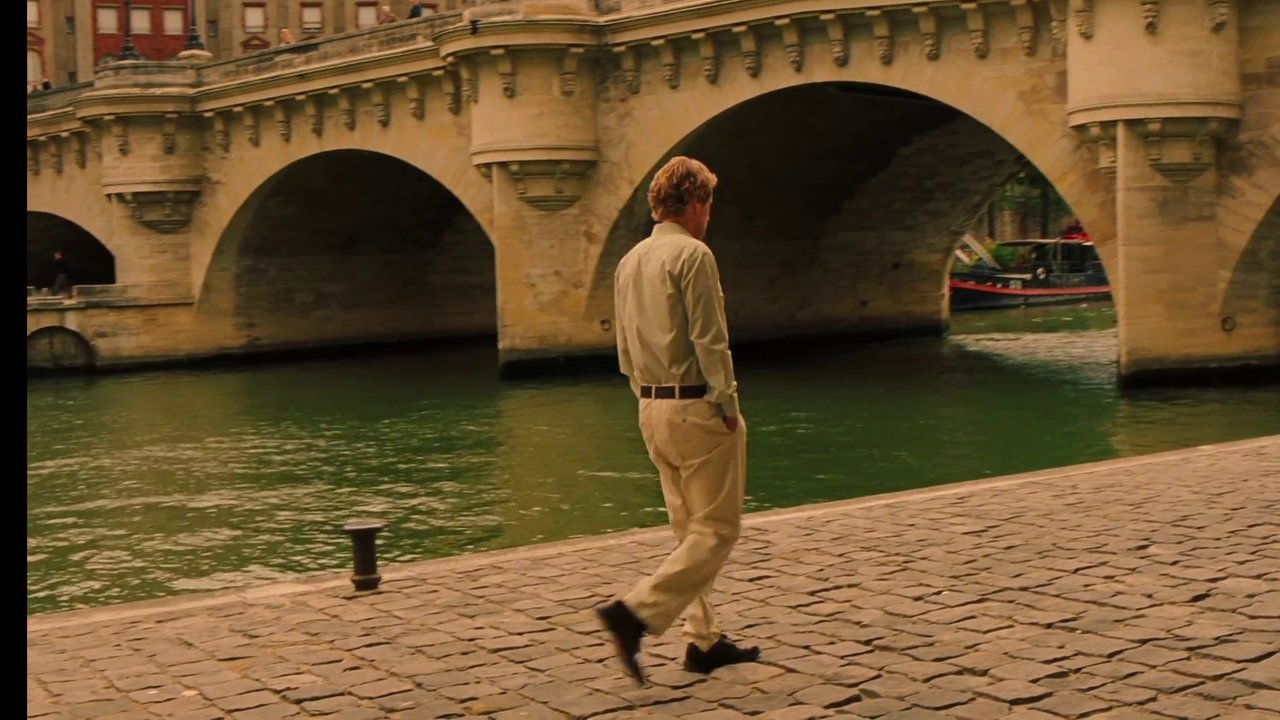
Gil attempts to explain the fallacy of nostalgia to Adriana, realizing that every generation longs for a different 'golden age' to escape their own.

Start a free 7-day trial — 5 downloads a day, unlimited when Pro begins

Rehearse this scene
Rehearse on your terms

Choose your role and voices for the other characters. Run the scene at your own pace.

Scene PreviewExcerpt — subscribe to read full scene

GIL

It’s not the present for me - I’m from 2010.

ADRIANA

What do you mean?

GIL

I dropped in on you just the way we dropped in on the 1890’s.

ADRIANA

You did?

GIL

I wanted to escape my present just like you wanted to escape yours. To a golden age.

End of preview. Continue with Pro below.

7 days freeYour next rehearsal starts here

Found your next scene? Make it yours.

Start your free trial and read The Golden Age Paradox in full, with access to 4,000+ monologues and scenes to explore next.

  • Read the full scene and explore the library
  • Download your script in a clean, printable format
  • Take it into rehearsal with the Script Reader
Casting Types
Get Feedback
Coming Soon

Want expert coaching on this scene?

Browse our curated list of acting coaches, dialect specialists, and more.

Find a Coach

Need representation?

Browse verified agents and casting directors in our directory.

Scene Notes & Audition Tips

5 sections
About This Scene

This compelling duologue, "The Golden Age Paradox," from Woody Allen's Oscar-winning film *Midnight in Paris*, presents a fascinating philosophical debate between Gil and Adriana. The scene unfolds as Gil, a contemporary writer inexplicably transported to 1920s Paris, attempts to articulate a profound insight about the human tendency to romanticize past eras. He argues that every generation perceives a previous one as a "golden age," driven by a desire to escape the perceived shortcomings of their own present. This exchange beautifully captures the film's central themes of nostalgia, time, and the elusive nature of contentment.

Character Analysis

Gil is presented as an earnest, slightly anxious intellectual, grappling with a newfound realization that challenges his romanticized view of history. His dialogue reveals a thinker who is both philosophical and pragmatic, contrasting grand historical narratives with modern conveniences. Adriana, a charismatic figure from the 1920s, embodies the very paradox Gil is trying to explain. She longs for the Belle Époque, despite living in an era Gil idealizes, providing a perfect foil to his evolving understanding. Both characters exhibit an underlying vulnerability, each seeking an idealized past to find meaning or escape present anxieties.

Why This Works for Auditions

This scene offers a fantastic opportunity for actors to showcase both intellectual depth and emotional nuance. The dialogue is rich with subtext, allowing performers to demonstrate strong interpretive skills while navigating complex philosophical concepts. It's a comedy-drama, providing scope for subtle humor alongside moments of genuine insight and vulnerability. The exchange builds in intensity, offering a clear arc for both characters and an opportunity to portray thoughtful persuasion and dawning understanding, making it ideal for a memorable two-minute audition piece.

Best Suited For

"The Golden Age Paradox" is particularly well-suited for actors in the 25-35 age range, aligning with the contemporary and 20s-30s character ages. It's an excellent choice for those aiming for "Everyman" or "Leading Man" roles, where sincerity and intellectual curiosity are key. Likewise, actors cast as "Ingenue" or "Romantic Lead" can shine by portraying Adriana's captivating blend of charm and wistful longing. Its nuanced nature makes it perfect for agent showcases, self-tapes requiring depth, or general practice to hone character-driven scene work.

Performance Tips

When approaching this scene, focus on the intellectual journey each character takes, rather than just delivering lines. For Gil, lean into his dawning realization and the urgency of wanting to share this profound insight, allowing his initial anxiety to evolve into a confident, albeit still slightly bemused, articulation. For Adriana, portray her initial skepticism and subsequent thoughtful consideration, hinting at her own underlying yearning for a different time. Pay close attention to the rhythm of Woody Allen's dialogue, allowing the natural back-and-forth to build the dynamic between the characters and emphasize the core "golden age paradox."

Explore this topic