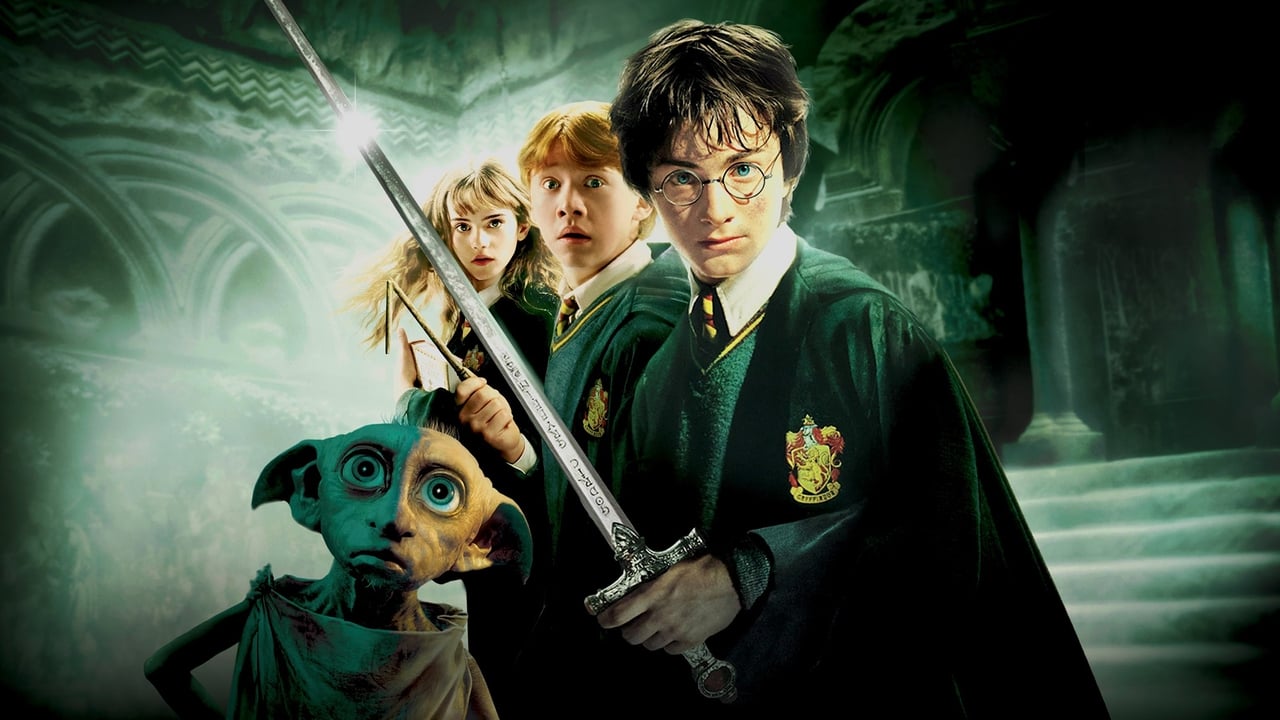

The Heir of Slytherin Accusation — Harry Potter and the Chamber of Secrets

Following a tense encounter in the Dueling Club, Ron and Hermione confront Harry about his rare and stigmatized ability to speak to snakes. They explain the dark historical connection between Parseltongue and Salazar Slytherin, leaving Harry to question his own identity and heritage.

RON: You're a Parselmouth! Why didn't you tell us?

HARRY: I'm a what?

HERMIONE: You can talk to snakes.

HARRY: I know. I mean, I accidentally set a python on my cousin Dudley at the zoo once. But so what? I bet loads of people here can do it.

HERMIONE: No. They can't. It's not a very common gift, Harry. This is bad.

Format: Scene · Genre: Fantasy · Source: Harry Potter and the Chamber of Secrets · Author: STEVEN KLOVES · Characters: Harry, Ron, Hermione

About This Scene

This compelling scene, "The Heir of Slytherin Accusation," explores a pivotal moment of self-discovery and external judgment. Following a significant public incident, Harry is confronted by his closest friends, Ron and Hermione, about a rare and stigmatizing magical ability he unknowingly possesses. The dialogue reveals not only their concern but also the historical weight of his newly revealed skill, forcing Harry to grapple with his identity amidst growing suspicion from his peers.

Character Analysis

Harry, at the center of this scene, is portrayed as deeply confused and increasingly isolated. He is an outsider yet again, struggling to comprehend an intrinsic part of himself that is suddenly deemed monstrous by others. Ron acts as the more direct and bluntly concerned friend, voicing the immediate social repercussions, while Hermione provides the historical context and intellectual weight to the unfolding mystery. Together, they represent the complex mix of support and apprehension surrounding Harry, who is fundamentally a teenager grappling with extraordinary circumstances.

Why This Works for Auditions

This scene is ideal for auditions because it showcases a wide range of emotions within a relatively short duration. Actors can demonstrate confusion, defensiveness, hurt, introspection, and a building sense of isolation. The three-person dynamic allows for strong reactions and active listening, highlighting an actor’s ability to play off others and maintain focus. It provides ample opportunity to explore subtext and demonstrate vulnerability as a young character facing an identity crisis.

Best Suited For

This scene is best suited for young actors in the child age range, specifically those applying for roles requiring genuine emotional depth and the portrayal of an outsider or teenager grappling with difficult truths. It works exceptionally well for general practice, allowing actors to refine their skills in dynamic dialogue and emotional shifts. It's also suitable for self-tapes, where capturing nuanced reactions is crucial, and would stand out in a competition setting due to its dramatic weight and recognizable source material.

Performance Tips

When performing this scene, lean into Harry's genuine bewilderment and the feeling of being unfairly judged. Don't play the outcome; instead, focus on the immediate realization of what his friends and peers are accusing him of. For Ron and Hermione, ensure your reactions convey a blend of loyalty, fear, and the unsettling nature of the revelation. Pay close attention to the shifts in alliance and the growing chasm between Harry and his friends, particularly as the weight of the accusation builds. The final lines from Harry should feel profoundly introspective, conveying his struggle to reconcile this new, frightening aspect of his identity with who he believes himself to be.