Skip to content
    Film
    group
    Drama

    Dumbledore Tells Harry It's Our Choices That Show What We Truly Are

    from Harry Potter and the Chamber of Secrets

    Written by Steven Kloves

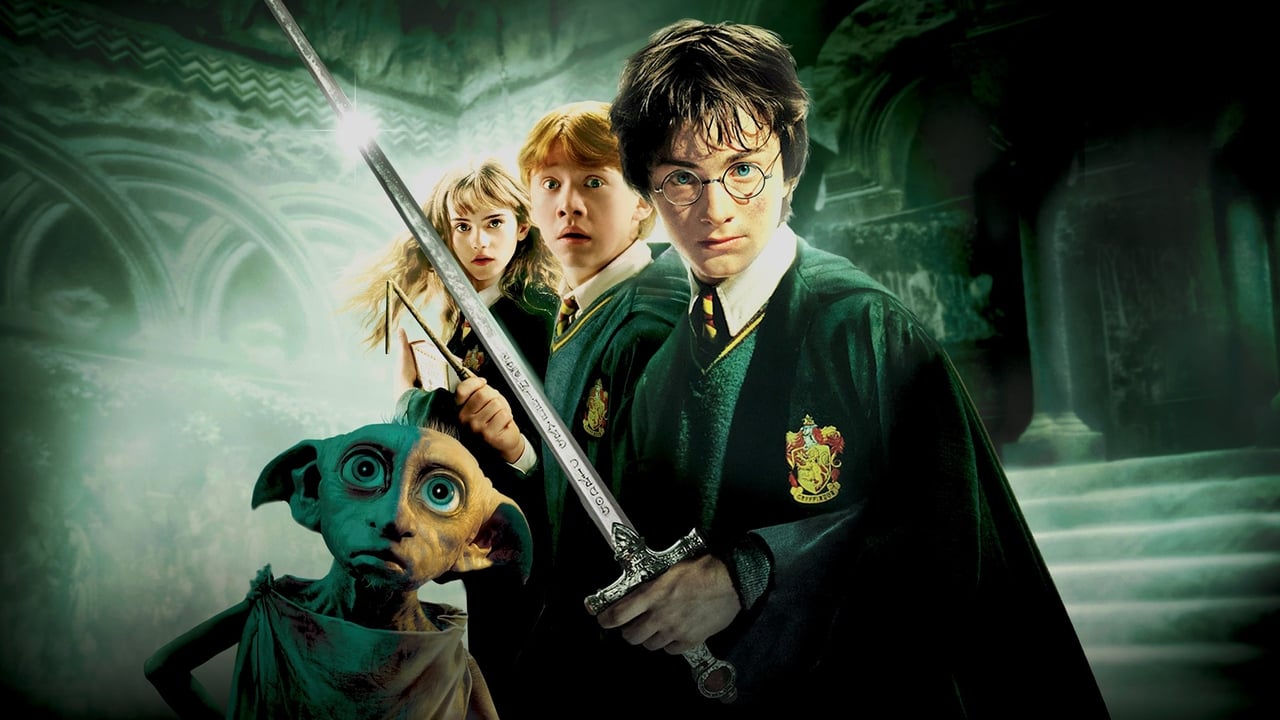
    Harry Potter and the Chamber of Secrets

    Dumbledore rewards Harry and Ron for their bravery before helping Harry understand the fundamental differences between himself and Lord Voldemort.

    Start a free 7-day trial — 5 downloads a day, unlimited when Pro begins

    Rehearse this scene
    Rehearse on your terms

    Choose your role and voices for the other characters. Run the scene at your own pace.

    Scene PreviewExcerpt — subscribe to read full scene

    DUMBLEDORE

    You two realize, of course, that in the last few hours, you have broken perhaps a dozen school rules?

    HARRY/RON

    Yes, sir.

    DUMBLEDORE

    And that there is sufficient evidence to expel you both?

    HARRY/RON

    Yes, sir.

    DUMBLEDORE

    Therefore, it seems only fitting... That you both receive Special Awards for Services to the School.

    End of preview. Continue with Pro below.

    7 days freeYour next rehearsal starts here

    Found your next scene? Make it yours.

    Start your free trial and read Dumbledore Tells Harry It's Our Choices That Show What We Truly Are in full, with access to 6,500+ monologues and scenes to explore next.

    • Read the full scene and explore the library
    • Download your script in a clean, printable format
    • Take it into rehearsal with the Script Reader
    Casting Types
    Get Feedback
    Coming Soon

    Want expert coaching on this scene?

    Browse our curated list of acting coaches, dialect specialists, and more.

    Find a Coach

    Need representation?

    Browse verified agents and casting directors in our directory.

    Scene Notes & Audition Tips

    5 sections
    About This Scene

    Written by Steven Kloves for the film adaptation of Harry Potter and the Chamber of Secrets, this uplifting dramatic scene takes place in the headmaster's office following a dangerous crisis. After initially feigning disciplinary action against Harry and Ron, Dumbledore rewards their bravery before dismissing Ron to speak privately with Harry. The remainder of the piece becomes a quiet, poignant exploration of identity, addressing Harry's lingering anxiety that he shares an intrinsic connection with his nemesis.

    Character Analysis

    Dumbledore embodies the archetypal wise mentor who balances institutional authority with gentle humor, warmth, and unconditional support. He perceives the deeper spiritual anxieties of his students without judgment, offering philosophical guidance and clarity rather than empty reassurance. Harry is an earnest, burdened young protagonist grappling with heavy self-doubt, terrified that the traits he shares with a dark adversary dictate his ultimate destiny.

    Why This Works for Auditions

    The exchange provides an exceptional vehicle for mature performers playing authority figures who need to demonstrate stillness, gravitas, and paternal warmth. Rather than relying on spectacle, the dialogue focuses on psychological reassurance, active listening, and strong emotional intelligence. For younger actors playing Harry, the scene offers a compelling opportunity to portray honest vulnerability and the internal struggle to define one's own moral compass.

    Best Suited For

    This selection is ideally suited for drama school auditions, self-tapes, and general classroom scene study focusing on mentor-student dynamics. It serves as strong audition material for actors targeting roles as educators, counselors, and compassionate leaders, as well as youthful performers preparing grounded, heartfelt dramatic pieces.

    Performance Tips

    Actors portraying Dumbledore should avoid leaning into an overly theatrical persona, ensuring the delivery remains rooted in genuine conversational intimacy and quiet conviction. When executing the initial reprimand, let the playful misdirection land naturally before smoothly transitioning into serious, attentive listening. The concluding realization must feel discovered in the moment rather than delivered as an abstract lecture, relying on eye contact and steady vocal restraint to communicate real wisdom.

    No ratings yet
    Sign in to rate