Film
duologue
Comedy-Drama

The Job and the Thesis Advisor

from Sorry, Baby

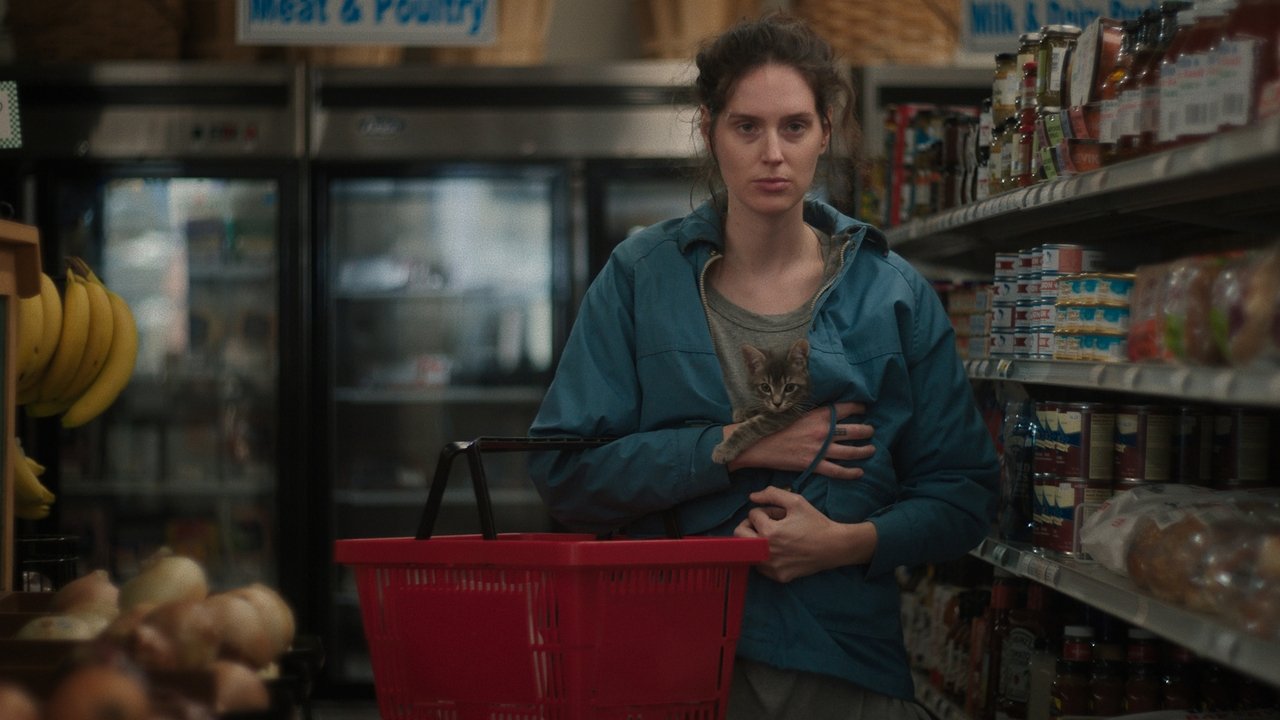
Sorry, Baby

Natasha confronts Agnes about a job she lost to her, leading to a tense exchange about social privilege and their shared history with a professor.

Start a free 7-day trial — 5 downloads a day, unlimited when Pro begins

Rehearse this scene
Rehearse on your terms

Choose your role and voices for the other characters. Run the scene at your own pace.

Scene PreviewExcerpt — subscribe to read full scene

NATASHA

So.

AGNES

Hi.

NATASHA

Here we are.

AGNES

Okay.

NATASHA

Lydie got engaged.

End of preview. Continue with Pro below.

7 days freeYour next rehearsal starts here

Found your next scene? Make it yours.

Start your free trial and read The Job and the Thesis Advisor in full, with access to 4,000+ monologues and scenes to explore next.

  • Read the full scene and explore the library
  • Download your script in a clean, printable format
  • Take it into rehearsal with the Script Reader
Casting Types
Get Feedback
Coming Soon

Want expert coaching on this scene?

Browse our curated list of acting coaches, dialect specialists, and more.

Find a Coach

Need representation?

Browse verified agents and casting directors in our directory.

Scene Notes & Audition Tips

5 sections
About This Scene

This contemporary comedy-drama duologue, "The Job and the Thesis Advisor" from the film *Sorry, Baby*, features an intense confrontation between two young women, Natasha and Agnes. The scene opens abruptly with Natasha bursting into Agnes's space, immediately setting a tone of unease and brewing conflict. What begins as an awkward exchange about a mutual friend's engagement quickly devolves into Natasha directly accusing Agnes of taking a job she coveted, exposing deep-seated resentment and professional rivalry.

Character Analysis

Natasha is presented as an intense and outwardly emotional character, driven by a feeling of injustice and perhaps jealousy. Her dialogue suggests a sense of being overlooked or disadvantaged, contrasting with her perception of Agnes's easy success. Agnes, on the other hand, appears more composed and measured, initially attempting to deflect Natasha's aggressive energy before eventually engaging with the underlying tension. Both characters are in their 20s, navigating the competitive world of early career stages and past academic relationships, specifically with a shared professor, Decker, which adds another layer to their dynamic.

Why This Works for Auditions

This scene is an excellent choice for auditions because it offers a dynamic range of emotions within a relatively short duration. Actors can showcase their ability to navigate complex emotional shifts, from initial awkwardness and thinly veiled hostility to direct confrontation and vulnerability. The dialogue provides ample opportunity to demonstrate active listening, strong choices, and the ability to build and sustain tension. Its contemporary setting and relatable themes of professional rivalry and perceived privilege make it highly relevant and accessible for a wide array of casting scenarios.

Best Suited For

"The Job and the Thesis Advisor" is particularly well-suited for actors aged 18-25 looking to showcase their abilities in comedy-drama roles. It's ideal for those targeting "Leading Lady," "Outsider," "Young Professional," "Intense," or "Vulnerable" casting types. The scene's intense tone and strong emotional arc make it perfect for agent showcases and self-tapes where actors need to make a memorable impression. It also serves as valuable general practice material for exploring conflict and character development.

Performance Tips

When performing this scene, lean into the inherent tension from the very beginning, allowing Natasha’s uninvited presence to create an immediate sense of discomfort. For Natasha, explore the underlying frustration and sense of unfairness, letting it fuel her confrontational energy without becoming solely angry; moments of vulnerability and perceived slight are crucial. For Agnes, focus on her initial attempts at politeness, her growing annoyance, and the complex mix of defensiveness and perhaps a touch of guilt as Natasha airs her grievances. Pay close attention to the subtext of their shared history and the unspoken dynamic related to their thesis advisor to fully flesh out the nuanced performances.

Explore this topic