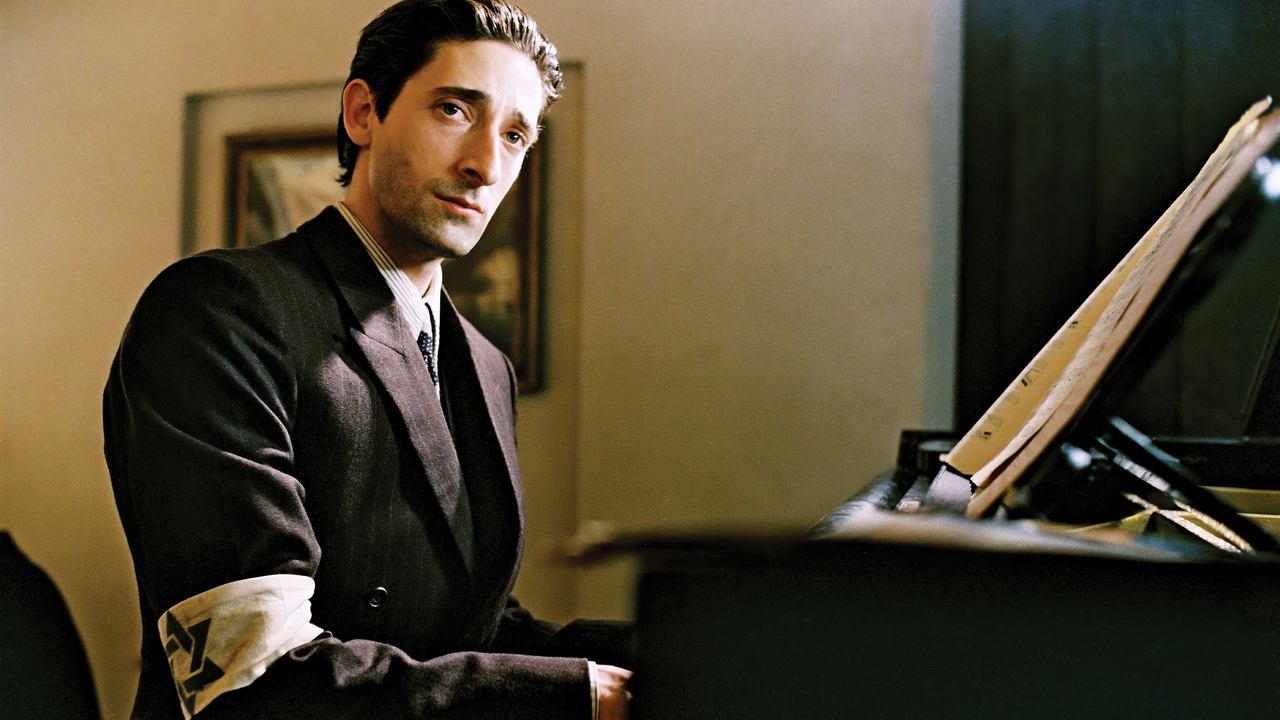
Film
monologue
Drama

The Lie of Resettlement

from The Pianist

Written by Ronald Harwood

The Pianist

An SS Captain addresses Jewish laborers, offering false reassurances about their safety while mocking them with anti-Semitic stereotypes.

Start a free 7-day trial — 5 downloads a day, unlimited when Pro begins

Rehearse on your terms

Take this monologue into rehearsal and work through it at your own pace.

Scene PreviewExcerpt — subscribe to read full scene

SS CAPTAIN

I have important and good news for you. There are rumours circulating that resettlement measures are again going to be taken.

End of preview. Continue with Pro below.

7 days freeYour next rehearsal starts here

Found your next scene? Make it yours.

Start your free trial and read The Lie of Resettlement in full, with access to 4,500+ monologues and scenes to explore next.

  • Read the full scene and explore the library
  • Download your script in a clean, printable format
  • Take it into rehearsal with the Script Reader
Casting Types
Get Feedback
Coming Soon

Want expert coaching on this scene?

Browse our curated list of acting coaches, dialect specialists, and more.

Find a Coach

Need representation?

Browse verified agents and casting directors in our directory.

Scene Notes & Audition Tips

5 sections
About This Scene

This intense monologue from the film "The Pianist" features an SS Captain addressing a group of Jewish laborers during wartime. The character delivers what initially appears to be reassuring news regarding resettlement, promising safety and even offering a seemingly benevolent gesture of allowing a delegate to buy food. However, this facade quickly shatters as the Captain reveals his true, deeply prejudiced nature, using manipulation and anti-Semitic mockery to assert his power and sow fear. The scene encapsulates a chilling blend of false hope and overt cruelty, making it a powerful and challenging piece for an actor to tackle.

Character Analysis

The SS Captain is a complex and deeply unsettling antagonist. On the surface, he projects an image of authority and control, attempting to appear reasonable and even generous. Beneath this thin veneer lies a venomous disdain and a chilling capacity for manipulation, which he wields with calculated precision. His shift from feigned benevolence to outright contempt reveals a character who delights in psychological torment, using words as weapons. An actor must navigate this duality, showing both the manipulative charm and the underlying malice without resorting to caricature, understanding that his power comes from his position and the fear he inspires.

Why This Works for Auditions

This monologue is an exceptional choice for auditions because it demands a wide range of emotional expression within a short duration. It allows an actor to showcase their ability to portray a complex villain, moving from deceptive calm to overt aggression and prejudice. The piece requires precise control over tone, subtext, and pacing, demonstrating an actor's command over language and their capacity to embody a character with significant psychological depth. Its intensity and dramatic weight ensure that an actor will leave a lasting impression, highlighting their skill in portraying characters with dark and manipulative intentions.

Best Suited For

This scene is particularly well-suited for male actors in the 35-45 age range looking to portray powerful, villainous, or authoritative figures. It's an excellent fit for casting calls specifically seeking military types or those needing an intense dramatic monologue. Actors aiming for drama school auditions or general practice for roles requiring a strong, commanding, and potentially frightening presence will find this piece highly effective. It’s ideal for performers who can convey menace and manipulation through nuanced vocal and physical choices, without relying on overt grandstanding.

Performance Tips

When approaching this monologue, focus on the subtext beneath the Captain's seemingly benevolent opening. Understand that his initial reassurances are a deliberate act of psychological manipulation designed to disarm and further torment his audience. Pay close attention to the shift in his tone and demeanor as he moves from false sincerity to outright mockery; this transition should feel organic and chilling, not abrupt. Use vocal dynamics and subtle physical gestures to convey his underlying cruelty and contempt, allowing the character's internal malice to slowly reveal itself, making the moment of overt bigotry even more impactful.

Explore this topic