Film
monologue
Drama
Horror

The Old Catechism of the Damned

from Interview with the Vampire

Written by Anne Rice

Interview with the Vampire

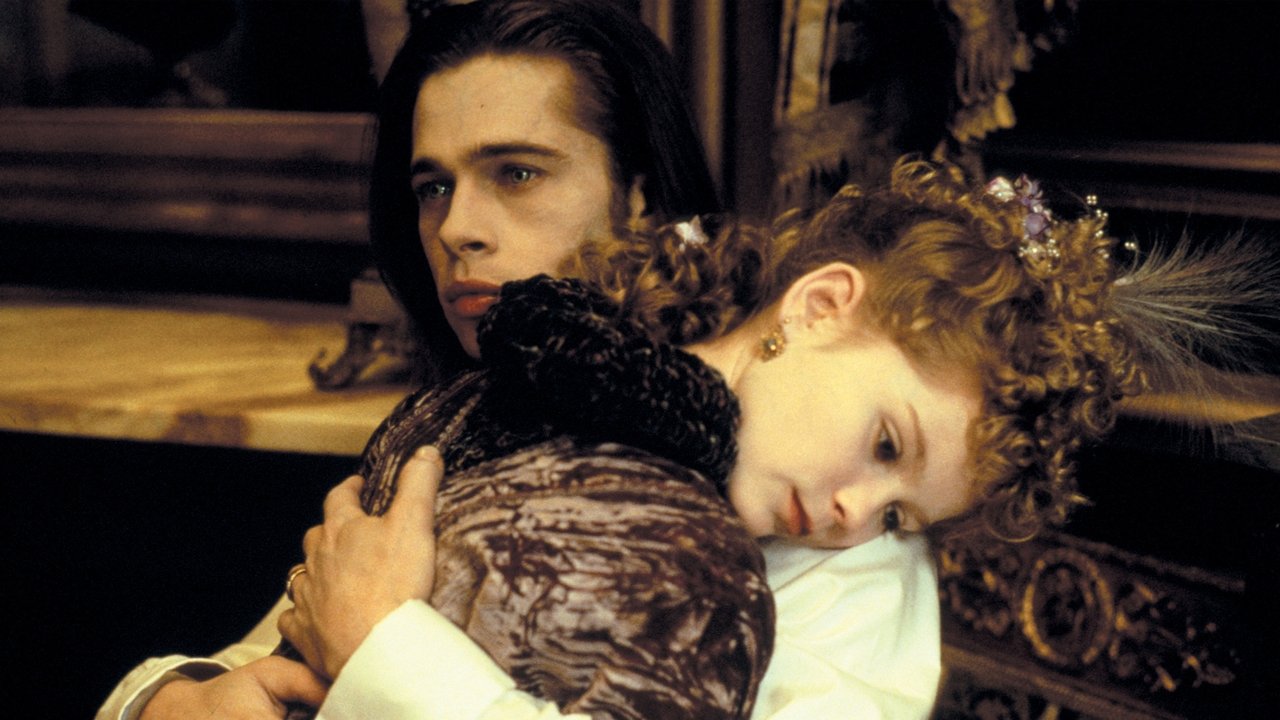
Armand recounts his tragic origins in Venice and the religious fanaticism of his coven before meeting the iconoclastic Lestat.

Start a free 7-day trial — 5 downloads a day, unlimited when Pro begins

Rehearse on your terms

Take this monologue into rehearsal and work through it at your own pace.

Scene PreviewExcerpt — subscribe to read full scene

ARMAND

No. I was born to Darkness centuries ago, in Venice by a Master who brought me to him in love. He told me no tales of gods or demons. It was the others who told those lies. Those who came to destroy him because he was an outlaw and a blasphemer. Those who took me away and taught me the Ways Of Satan, and the Rules Of The Children Of Darkness, the…

End of preview. Continue with Pro below.

7 days freeYour next rehearsal starts here

Found your next scene? Make it yours.

Start your free trial and read The Old Catechism of the Damned in full, with access to 3,000+ monologues and scenes to explore next.

  • Read the full scene and explore the library
  • Download your script in a clean, printable format
  • Take it into rehearsal with the Script Reader
Casting Types
Get Feedback
Coming Soon

Want expert coaching on this scene?

Browse our curated list of acting coaches, dialect specialists, and more.

Find a Coach

Need representation?

Browse verified agents and casting directors in our directory.

Scene Notes & Audition Tips

5 sections
About This Scene

This powerful dramatic monologue features Armand from the film "Interview with the Vampire," offering a glimpse into his complex and tragic past. He recounts his early days as a vampire, describing the stark contrast between his initial peaceful existence with his maker and the subsequent indoctrination into a fanatical coven. The scene culminates with the arrival of Lestat, whom Armand paints as a disruptive force and an innocent, challenging the rigid doctrines he was forced to adopt.

Character Analysis

Armand is presented here in his late teens, embodying a profound blend of vulnerability and intense experience, despite his youthful appearance. He is a character shaped by betrayal and forced religious extremism, initially brought into vampirism with love but then subjected to the "Ways Of Satan" and "Rules Of The Children Of Darkness." This monologue reveals his deep-seated pain and resentment, contrasted with a grudging respect, perhaps even awe, for Lestat's unapologetic nature. He carries the weight of centuries, but through the lens of a young soul grappling with an immortal existence.

Why This Works for Auditions

This monologue is an excellent choice for auditions due to its rich emotional landscape and clear character arc within a short span. It demands significant vocal and emotional range, allowing an actor to showcase their ability to convey intensity, past trauma, and subtle shifts in perspective. The internal conflict, combined with the evocative language, provides ample opportunity to demonstrate depth and nuance, making it memorable for casting directors. It also offers a compelling blend of drama and a slightly supernatural undertone without requiring a full costume or elaborate setup.

Best Suited For

This scene is particularly well-suited for male actors in the under 18 age range who can convincingly portray a character with immense emotional depth and maturity beyond his years, aligning with the specified "late teens" character age for Armand. It is ideal for those aiming for leading man roles, as well as actors who excel at playing outsiders, vulnerable characters, or intense, sophisticated individuals. Its dramatic weight and rich language make it perfect for drama school auditions, agent showcases, or a high-quality self-tape demonstrating a wide range of acting skills.

Performance Tips

When performing this monologue, focus on Armand's internal journey, moving from recounting painful memories to the slight, almost reverent, shift when speaking of Lestat. Pay close attention to vocal dynamics to convey the varying degrees of resentment, indoctrination, and ultimate fascination. Explore the subtext of each phrase; for instance, "the old catechism of the damned" should feel heavy with coerced compliance rather than genuine belief. Allow the intensity to build organically, using pauses and breath to underscore the emotional weight of his long, tragic history.

Explore this topic