
Film
monologue
Comedy-Drama
Sci-Fi

The Pain of Servitude

from Dogma

Written by Kevin Smith

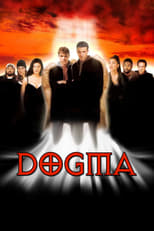
Dogma

Bartleby expresses his deep resentment toward God for granting humans free will while condemning angels to a life of mandatory servitude.

Start a free 7-day trial — 5 downloads a day, unlimited when Pro begins

Rehearse on your terms

Take this monologue into rehearsal and work through it at your own pace.

Scene PreviewExcerpt — subscribe to read full scene

BARTLEBY

In the beginning, it was just us and Him. Angels and God. And then He created the humans. And He gave them more than He ever gave us. Ours was designed to be a life of servitude and worship – adoration. But He gave the humans more – He gave them a choice. They can choose to ignore God, choose to acknowledge Him. All this time we've been down…

End of preview. Continue with Pro below.

7 days freeYour next rehearsal starts here

Found your next scene? Make it yours.

Start your free trial and read The Pain of Servitude in full, with access to 3,000+ monologues and scenes to explore next.

  • Read the full scene and explore the library
  • Download your script in a clean, printable format
  • Take it into rehearsal with the Script Reader
Casting Types
Get Feedback
Coming Soon

Want expert coaching on this scene?

Browse our curated list of acting coaches, dialect specialists, and more.

Find a Coach

Need representation?

Browse verified agents and casting directors in our directory.

Scene Notes & Audition Tips

5 sections
About This Scene

This monologue, "The Pain of Servitude," features Bartleby in a moment of profound existential crisis, expressing his deep-seated resentment and anguish. Taken from the film *Dogma*, it delves into themes of religion, betrayal, and the inherent unfairness Bartleby perceives in the divine order. The scene offers a compelling exploration of mandatory servitude versus free will, presenting a powerful internal conflict rooted in theological despair.

Character Analysis

Bartleby is portrayed as an angel burdened by the weight of eternal service, feeling betrayed by a God he perceives as having favored humanity. His internal state is one of intense resentment, tinged with a deep, almost spiritual, pain. Despite his angelic nature, this monologue reveals a vulnerable, questioning, and ultimately, deeply flawed character. He is an outsider by choice, having rejected the terms of his existence, and struggles with the emotional consequences of his unwavering devotion.

Why This Works for Auditions

This monologue is an excellent choice for auditions because it showcases an actor's ability to embody complex emotional layers, moving beyond simple anger to reveal profound sorrow and a sense of injustice. Its intense tone allows for a dynamic performance, demonstrating control over dramatic tension and the subtle nuances of a character teetering on the edge of a breakdown. The philosophical depth of the material also proves an actor's capacity to grapple with weighty themes, making it memorable for casting directors.

Best Suited For

"The Pain of Servitude" is particularly well-suited for male actors in the 25-35 age range who can authentically portray intense, vulnerable, and anti-heroic qualities. It's an ideal piece for drama school auditions, agent showcases, or self-tapes where demonstrating dramatic range and emotional depth is paramount. Actors seeking roles that require a strong sense of internal conflict or a character grappling with existential questions will find this scene highly effective.

Performance Tips

Approach Bartleby's monologue with a focus on his underlying pain and the feeling of being fundamentally misunderstood, rather than just anger. Explore the weight of centuries of perceived injustice he carries, letting the resentment simmer beneath a veneer of controlled articulation. Pay close attention to how his belief in betrayal drives his argument, allowing his growing desperation to build naturally throughout the piece. Remember, his objective is to justify his immense suffering and challenge an unjust system.

Explore this topic