
Film
group
Action/Thriller

The President's Resolve

from Air Force One

Written by Andrew Marlow

Air Force One

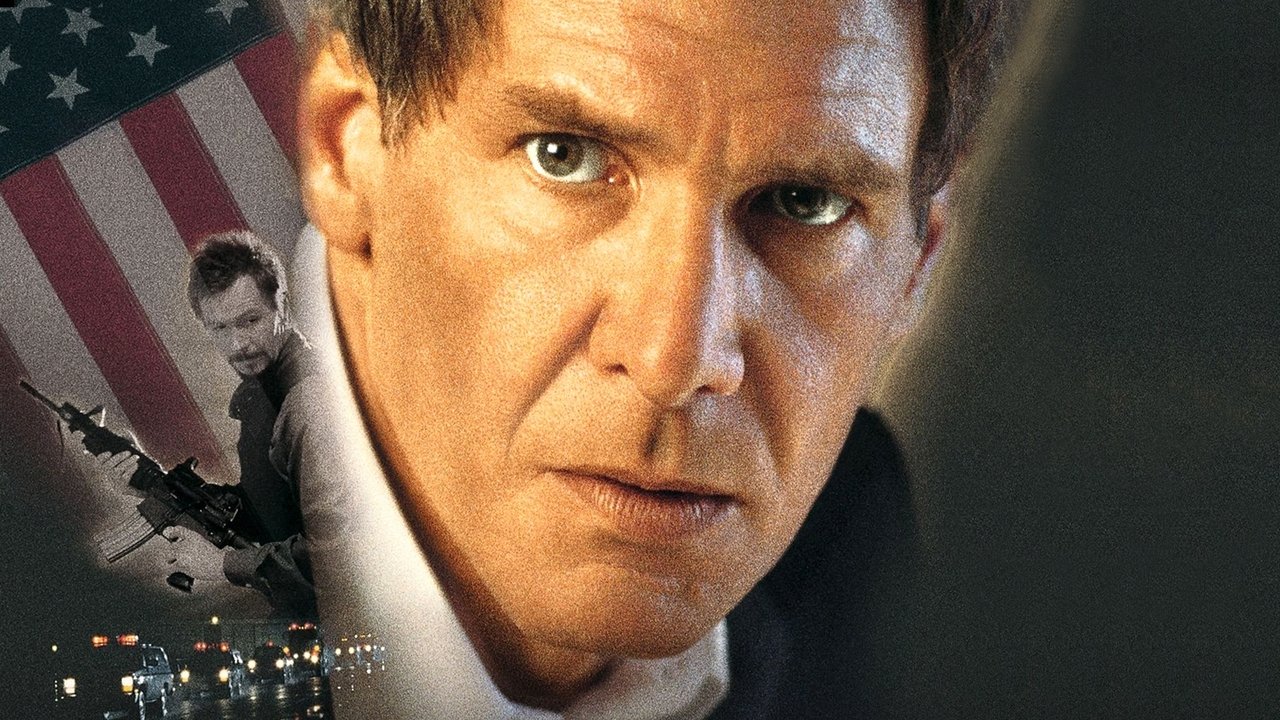
President Marshall communicates with his cabinet from hiding aboard the hijacked Air Force One. He adamantly refuses to allow the government to negotiate for his life, insisting that the office of the Presidency and national security are more important than his own survival.

Start a free 7-day trial — 5 downloads a day, unlimited when Pro begins

Rehearse this scene
Rehearse on your terms

Choose your role and voices for the other characters. Run the scene at your own pace.

Scene PreviewExcerpt — subscribe to read full scene

MARSHALL

Did they say anything about my family?

V.P. CHANDLER

They're still alive, but the loyalists plan to start killing hostages in forty minutes.

MARSHALL

Then tell me there's a rescue operation underway.

V.P. CHANDLER

I think we're okay, sir. Now that we know you're alive we can force Petrov to release Stravanavitch.

MARSHALL

Don't tell me you…

End of preview. Continue with Pro below.

7 days freeYour next rehearsal starts here

Found your next scene? Make it yours.

Start your free trial and read The President's Resolve in full, with access to 1,000+ monologues and scenes to explore next.

  • Read the full scene and explore the library
  • Download your script in a clean, printable format
  • Take it into rehearsal with the Script Reader
Casting Types
Get Feedback
Coming Soon

Want expert coaching on this scene?

Browse our curated list of acting coaches, dialect specialists, and more.

Find a Coach

Need representation?

Browse verified agents and casting directors in our directory.

Scene Notes & Audition Tips

5 sections
About This Scene

This gripping minute-long scene features President Marshall, an elected leader trapped aboard Air Force One during a hostile takeover. Despite being wounded and in a dire hostage situation, he adamantly refuses any negotiation with the terrorists for his own safety. This moment powerfully illustrates his unwavering commitment to his principles and the integrity of the presidency over his personal survival.

Character Analysis

Marshall is presented as a strong, principled, and determined leader who prioritizes national security and the office of the President above all else. Even under extreme duress and suffering a physical injury, he maintains his resolve, demonstrating remarkable courage and a deep sense of patriotic duty. The other characters, V.P. Chandler, General Northwood, Lee, and Dean, represent various advisors grappling with the immense pressure of the situation, highlighting a spectrum of loyalties and strategic considerations in a crisis.

Why This Works for Auditions

This scene is an excellent choice for an audition as it offers substantial dramatic weight and high stakes, allowing actors to showcase a broad emotional range within a short period. The tension and conflict among the characters provide opportunities for nuanced performances, particularly for the actor playing Marshall, who must convey unwavering authority and conviction amidst desperation. Its short duration makes it highly suitable for self-tapes and quick showcases, allowing casting directors to quickly assess an actor's ability to embody leadership and intensity.

Best Suited For

This piece is particularly well-suited for male actors in their 40s to 50s who can convincingly portray authority figures, leading men, politicians, or military personnel. It is ideal for those looking to demonstrate their capacity for intense, principled performances in high-pressure situations. Actors who excel at conveying determination, crisis leadership, and a profound sense of duty will find this scene a powerful vehicle for their talents.

Performance Tips

When approaching Marshall, focus on conveying his physical pain without letting it compromise his mental fortitude. His refusal to negotiate should stem from deep conviction, not just stubbornness; ground it in a genuine belief in his policy and its implications for national security. For the surrounding characters, consider their individual motivations—concern for the President's life, adherence to protocol, or strategic thinking—and how these play against Marshall's steadfastness. The brief moments of silence and non-verbal cues (like Lee shaking his head) are just as important as the dialogue in building tension and conveying subtext.

Explore this topic