Film
duologue
Comedy-Drama
Romance

The Selfless Act of Making Something Bad

from Sorry Baby

Written by Lila Neugebauer, Owynne Moore

Sorry Baby

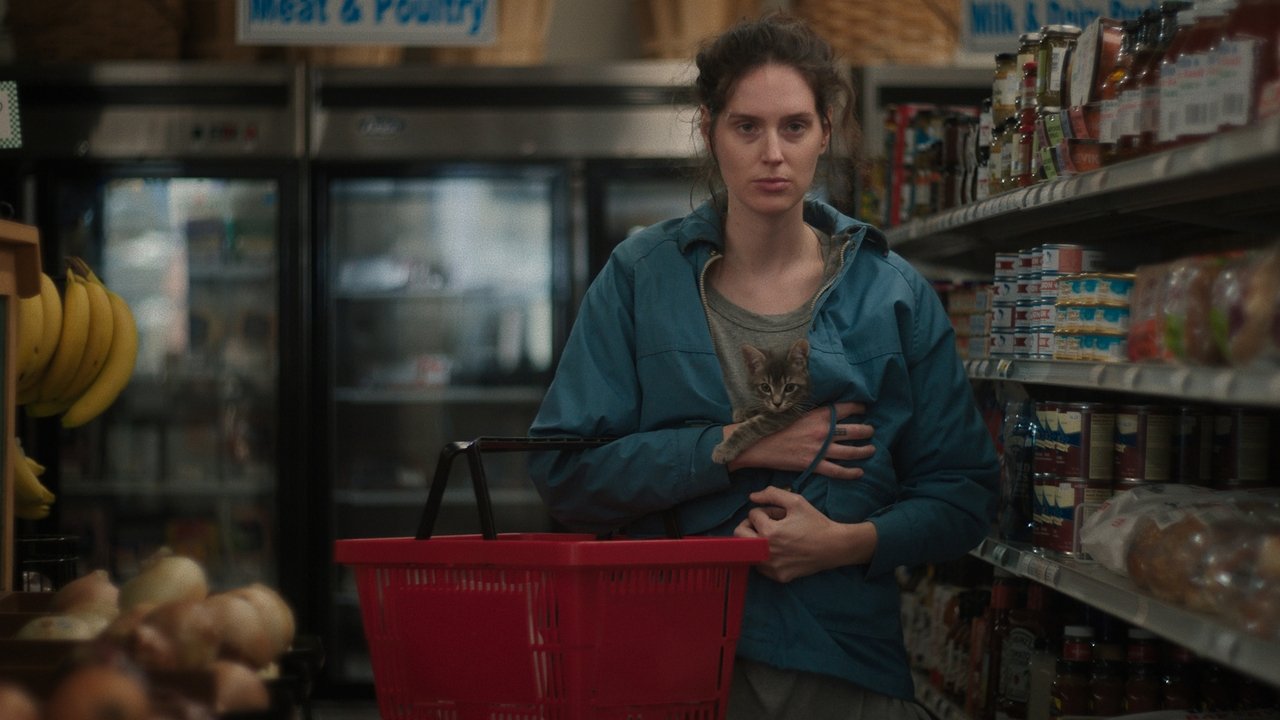
Agnes and Decker meet at a cafe where Decker reluctantly reveals he is struggling to write a 'horrible' second book. Agnes offers an eccentric, philosophical defense of bad art to comfort him before pivotally expressing her deep, personal connection to his first novel. The scene explores the awkward, vulnerable tension between an admirer and a struggling artist.

Start a free 7-day trial — 5 downloads a day, unlimited when Pro begins

Rehearse this scene
Rehearse on your terms

Choose your role and voices for the other characters. Run the scene at your own pace.

Scene PreviewExcerpt — subscribe to read full scene

AGNES

Thanks for meeting with me.

DECKER

Thanks for meeting with me.

AGNES

Are you working on something?

DECKER

It’s my-- Ah, kill me. No, not

DECKER

really.

End of preview. Continue with Pro below.

7 days freeYour next rehearsal starts here

Found your next scene? Make it yours.

Start your free trial and read The Selfless Act of Making Something Bad in full, with access to 1,000+ monologues and scenes to explore next.

  • Read the full scene and explore the library
  • Download your script in a clean, printable format
  • Take it into rehearsal with the Script Reader
Casting Types
Get Feedback
Coming Soon

Want expert coaching on this scene?

Browse our curated list of acting coaches, dialect specialists, and more.

Find a Coach

Need representation?

Browse verified agents and casting directors in our directory.

Scene Notes & Audition Tips

5 sections
About This Scene

This compelling duologue, "The Selfless Act of Making Something Bad" from the film *Sorry Baby*, introduces Agnes and Decker in a cafe setting, where a professional meeting quickly veers into deeply personal territory. The scene skillfully navigates the awkward yet vulnerable tension between a celebrated artist grappling with a creative block and an admirer who holds a profound connection to his previous work. It’s a beautifully written exploration of artistic struggle, vulnerability, and the unexpected ways we connect through shared human experience.

Character Analysis

Agnes, characterized by her quirky and vulnerable nature, initiates an eccentric philosophical defense of "bad art" to comfort Decker, who is clearly wrestling with self-doubt over his new writing project. Her initial charm and intellectual playfulness create a safe space, but her true depth is revealed in a pivotal moment when she expresses a deeply personal and emotional connection to Decker's first novel. Decker, a writer struggling with the pressure of a "horrible" second book, begins as hesitant and self-deprecating. His journey through the scene involves a gradual thawing, moving from reluctant revelation to genuine appreciation for Agnes's unique perspective and profound vulnerability.

Why This Works for Auditions

This scene is a fantastic choice for auditions because it offers rich character arcs and dynamic emotional shifts within a short timeframe. Actors can showcase a wide range of vulnerability, intellect, and connection, moving from lighthearted banter to profound emotional depth. The contemporary setting and relatable themes of artistic struggle, self-doubt, and unexpected connection make it highly resonant. The scene's structure, with its clear build-up to Agnes's emotional monologue and Decker's receptive, vulnerable silence, provides ample opportunity for actors to demonstrate nuanced performance skills without relying on heightened drama.

Best Suited For

This duologue is ideally suited for actors in the 25-35 age range looking to showcase their abilities in a comedy-drama context. It's particularly effective for those embodying Leading Lady, Leading Man, Writer, Quirky, Vulnerable, or Young Professional casting types. The scene's blend of witty dialogue, intellectual sparring, and deep emotional resonance makes it perfect for actors who can convey both intelligence and heartfelt sincerity. It is an excellent selection for agent showcases, self-tapes, and general practice, offering a chance to explore complex character relationships and themes of artistic integrity and personal impact.

Performance Tips

For Agnes, embrace her initial eccentricity and intellectual playfulness, ensuring it feels genuine rather than performative. Her pivot to vulnerability must be earned, grounding her philosophical defense in a true desire to connect and offering comfort. Allow her profound connection to Decker's first novel to come from a deeply personal place, letting the words truly impact her as she speaks them. For Decker, focus on his internal struggle and reluctance, using subtle physical cues to convey his discomfort and self-doubt. His gradual opening up should be a quiet, internal shift, culminating in a genuine, appreciative silence. Both actors should prioritize listening and reacting authentically to create a believable and moving connection.

Explore this topic