Skip to content
    Film
    duologue
    Drama

    The Tea Towel

    from Amour

    Written by Michael Haneke

    Amour

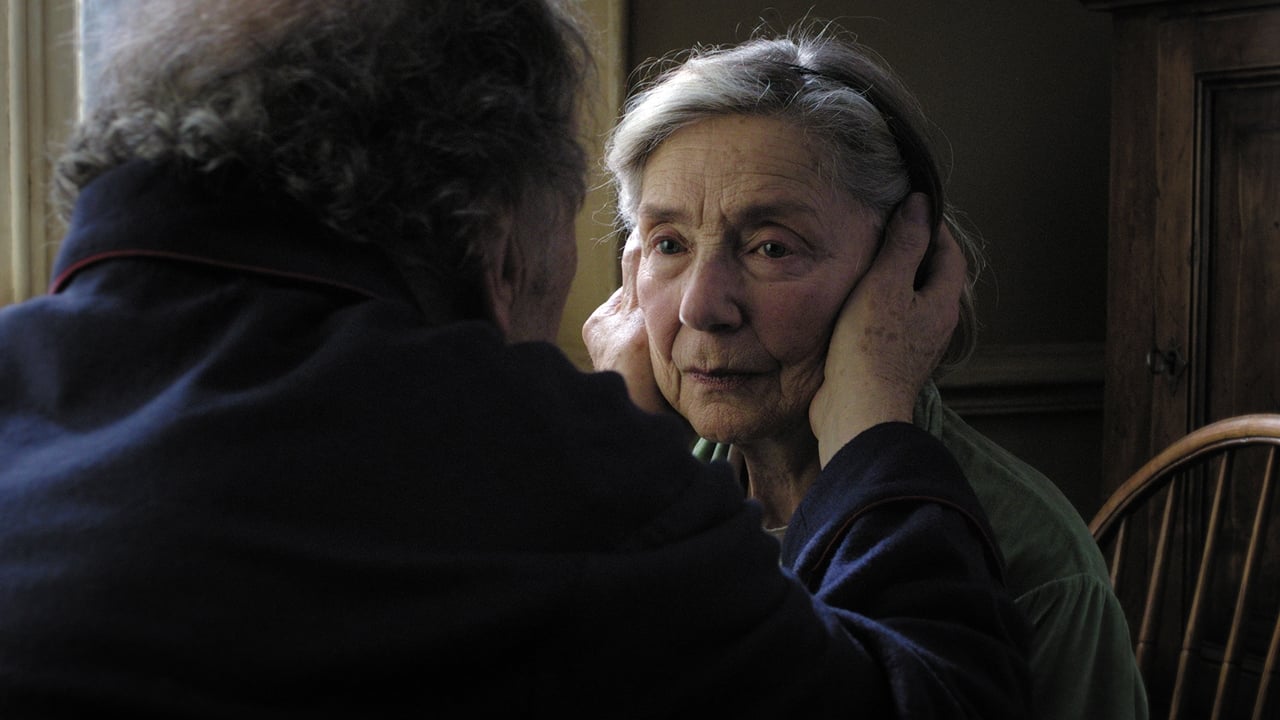
    Georges and Anne are having breakfast when Anne suddenly becomes unresponsive and catatonic. Georges tries to get a reaction from her, becoming increasingly distressed, only for Anne to snap out of it with no memory of what happened, leading to a tense and unsettling confrontation.

    Start a free 7-day trial — 5 downloads a day, unlimited when Pro begins

    Rehearse this scene
    Rehearse on your terms

    Choose your role and voices for the other characters. Run the scene at your own pace.

    Scene PreviewExcerpt — subscribe to read full scene

    GEORGES

    What about next week? No but still, it would make sense to get it done soon. It might give people silly ideas. And anyway, it’s too ugly to look at... Wednesday? What time? OK... Will you bring the paint with you too, to paint over it? But at least some primer...Yes, OK. Thank you.

    GEORGES

    You can depend on that guy.

    End of preview. Continue with Pro below.

    7 days freeYour next rehearsal starts here

    Found your next scene? Make it yours.

    Start your free trial and read The Tea Towel in full, with access to 5,500+ monologues and scenes to explore next.

    • Read the full scene and explore the library
    • Download your script in a clean, printable format
    • Take it into rehearsal with the Script Reader
    Casting Types
    Get Feedback
    Coming Soon

    Want expert coaching on this scene?

    Browse our curated list of acting coaches, dialect specialists, and more.

    Find a Coach

    Need representation?

    Browse verified agents and casting directors in our directory.

    Scene Notes & Audition Tips

    5 sections
    About This Scene

    This compelling duologue, "The Tea Towel," from Michael Haneke's Oscar-winning film *Amour*, plunges into a deeply unsettling moment between an elderly couple, Georges and Anne. The scene begins with a seemingly mundane breakfast, quickly escalating into intense marital drama as Anne experiences a sudden, alarming catatonic episode. Georges' desperate attempts to elicit a response from his unresponsive wife drive the central conflict, leading to a profound confrontation when Anne eventually regains consciousness with no memory of the incident. This piece is a powerful exploration of aging, illness, vulnerability, and the terrifying onset of cognitive decline within a long-standing relationship.

    Character Analysis

    Georges is portrayed as a patriarch struggling to maintain control and normalcy in the face of his wife's deteriorating health. His initial frustration quickly gives way to fear and distress as Anne's unresponsiveness deepens, highlighting his vulnerability and the immense pressure he is under. Anne, on the other hand, shifts from an active participant in their morning routine to a terrifyingly blank presence, later showing confusion and a degree of denial about her episode. Both characters are layered with a history of shared life, which makes their current predicament all the more poignant and dramatically potent.

    Why This Works for Auditions

    "The Tea Towel" offers actors an exceptional opportunity to showcase a broad range of emotional depth and reactive performance. Its contemporary setting and realistic dialogue make it highly relatable, while the intense tone demands subtle, nuanced acting rather than overt theatrics. The scene provides excellent material for demonstrating dramatic chops, vulnerability, and the ability to portray complex emotional transitions within a contained timeframe. It’s particularly effective for self-tapes due to its intimate nature and the focus on character interaction and internal struggle.

    Best Suited For

    This scene is ideally suited for actors aged 55 and above, specifically those looking to portray elderly, dramatic, or vulnerable casting types. It's an excellent choice for actors who can convey deep marital history and the emotional toll of aging and illness without relying on overt exposition. The piece works well for general practice, competition, and self-tape submissions, offering a substantial challenge for performers ready to delve into profound emotional territory. Actors comfortable with exploring themes of fear, confusion, and the fragility of human connection will find this piece particularly rewarding.

    Performance Tips

    Approach this scene with a deep sense of shared history and established intimacy between Georges and Anne, letting their prior connection inform their present anxieties. For Georges, focus on the gradual escalation of his fear and frustration, allowing his desperation to build organically rather than starting at a high intensity. For Anne, the challenge lies in portraying the chilling blankness of her unresponsive state, followed by a confused and perhaps defensive awakening, highlighting her disorientation. Pay close attention to the subtext of each line and silence, as much of the scene's power lies in what is unsaid and the profound emotional reactions.

    No ratings yet
    Sign in to rate