Film
monologue
Drama

The Rice Pudding Story

from Amour

Written by Michael Haneke

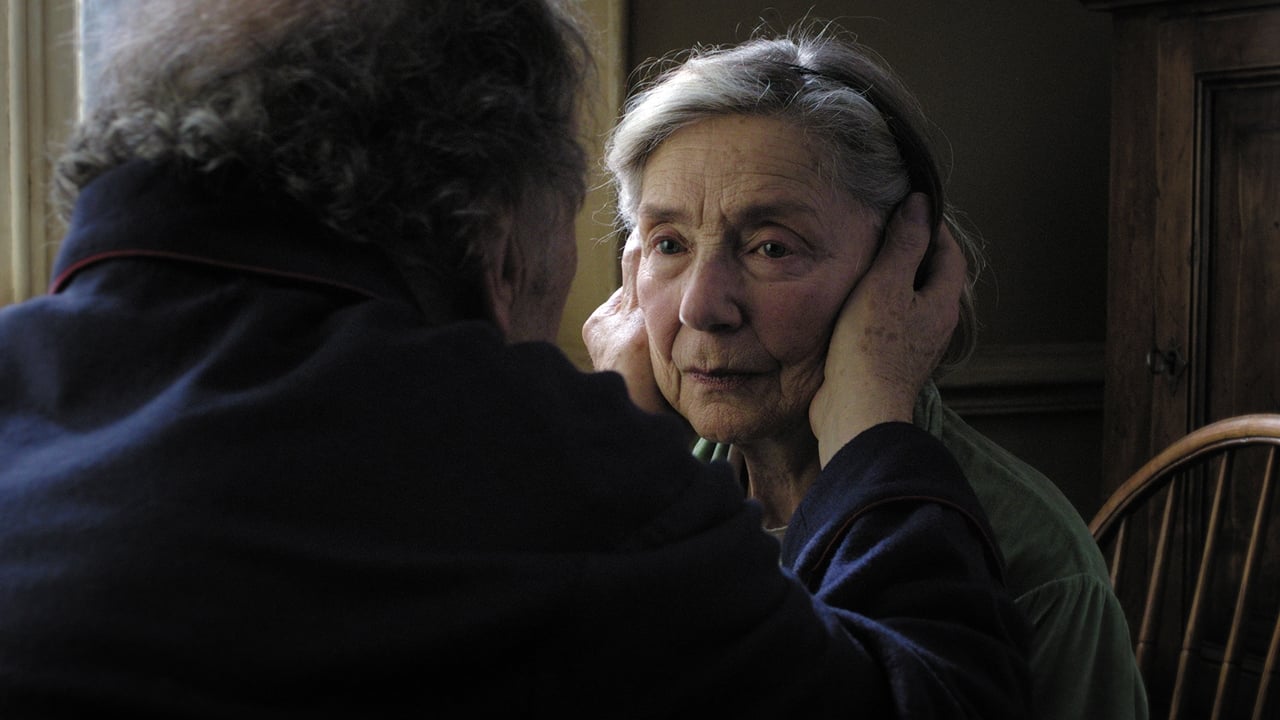
An elderly man recounts a childhood story about a holiday camp and a hated rice pudding to his ailing wife. The scene takes a dark turn as he then smothers her with a pillow, ending her suffering.

Start a free 7-day trial — 5 downloads a day, unlimited when Pro begins

Rehearse on your terms

Take this monologue into rehearsal and work through it at your own pace.

Scene PreviewExcerpt — subscribe to read full scene

GEORGES

It’s all right… it’s all right … I’m here… everything’s fine… we’ll… Hold on, I’ll tell you a story… but you must be quiet, I can’t talk too loud, it wears me out… Here we go: when I was little… well, I wasn’t as little as all that… it was toward the end of primary school, so I was about ten, Dad and Mom sent me to a holiday camp.

End of preview. Continue with Pro below.

7 days freeYour next rehearsal starts here

Found your next scene? Make it yours.

Start your free trial and read The Rice Pudding Story in full, with access to 1,000+ monologues and scenes to explore next.

  • Read the full scene and explore the library
  • Download your script in a clean, printable format
  • Take it into rehearsal with the Script Reader
Casting Types

Director's Notes

🎯 Character objectives🎭 Emotional beats💡 Audition tips
Unlock Director's Notes
Get Feedback
Coming Soon

Want expert coaching on this scene?

Browse our curated list of acting coaches, dialect specialists, and more.

Find a Coach

Need representation?

Browse verified agents and casting directors in our directory.

Scene Notes & Audition Tips

5 sections
About This Scene

This scene, a dramatic monologue from the Academy Award-winning film *Amour*, features Georges, an elderly man, recounting a poignant childhood memory to his ailing wife, Anne. The seemingly benign tale of a despised rice pudding at a holiday camp gradually reveals deeper emotional layers, leading to a profoundly dark and tragic conclusion that transforms the entire narrative. This expertly crafted piece offers a rich opportunity for actors to explore themes of love, grief, and the complex choices made in the face of suffering.

Character Analysis

Georges is presented as a man grappling with immense emotional weight and a profound sense of responsibility. His apparent calm as he tells the story masks an inner turmoil, and the monologue is a final act of love, albeit a desperate one. He is vulnerable yet determined, deeply connected to his wife, and driven by a desire to alleviate her pain, even if it means sacrificing his own peace. The actor must convey this duality, showcasing the tender storyteller and the individual driven to an unspeakable act of mercy.

Why This Works for Auditions

This monologue is an exceptional vehicle for showcasing an actor's dramatic range and ability to handle complex emotional shifts. It begins with a seemingly simple, nostalgic recollection, allowing the actor to establish an engaging storytelling persona, before subtly transitioning into a much darker, more intense emotional landscape. The sustained focus required to deliver this piece, combined with its high stakes and profound themes, will powerfully demonstrate an actor's command of pacing, subtlety, and emotional depth.

Best Suited For

This monologue is ideally suited for male actors aged 55 and above who can portray a sense of gravitas, vulnerability, and profound emotional intensity. It is perfect for those aiming for roles requiring complex character work in dramatic film, television, or stage productions. Actors capable of conveying deep love and an underlying sense of tragedy while maintaining a grounded, naturalistic delivery will find this a powerful choice for self-tapes, general practice, and competitive settings.

Performance Tips

Approach the initial storytelling with a gentle, almost nostalgic quality, allowing the audience to be drawn into Georges’ memory. Pay close attention to the details of the rice pudding story, using them to create vivid imagery and contrast with the heavy emotion to come. The key is to reveal the underlying subtext and Georges' ultimate intention without overt melodrama, building the tension subtly through vocal tone, pauses, and the quiet intensity of his connection with Anne (even if she is not physically present in your audition).

Explore this topic