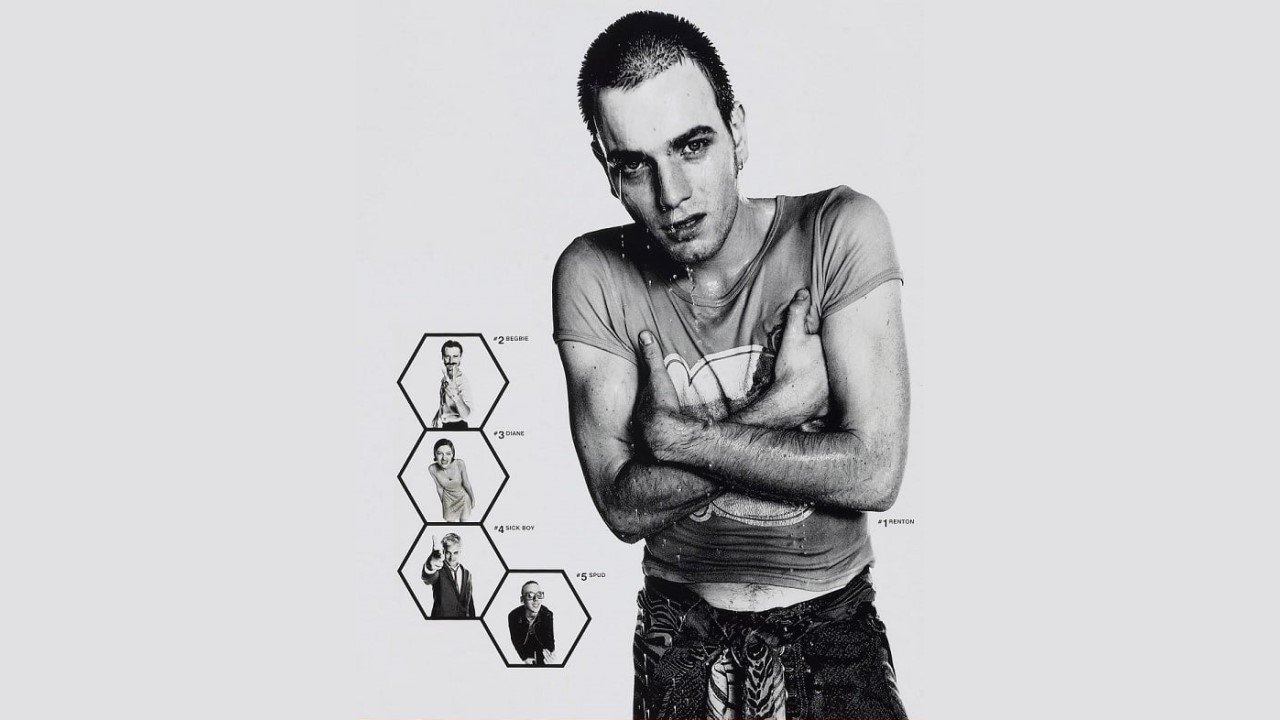

Film
duologue
Comedy-Drama

The Unifying Theory of Life

from Trainspotting

Written by John Hodge

Trainspotting

Sick Boy explains his cynical philosophy to Renton, arguing that everyone eventually loses their spark and enters a permanent downward trajectory.

Start a free 7-day trial — 5 downloads a day, unlimited when Pro begins

Rehearse this scene
Rehearse on your terms

Choose your role and voices for the other characters. Run the scene at your own pace.

Scene PreviewExcerpt — subscribe to read full scene

SICK BOY

It's certainly a phenomenon in all walks of life.

RENTON

What do you mean?

SICK BOY

Well, at one time, you've got it, and then you lose it, and it's gone for ever. All walks of life: George Best, for example, had it and lost it, or David Bowie, or Lou Reed -

RENTON

Some of his solo stuff's not bad.

End of preview. Continue with Pro below.

7 days freeYour next rehearsal starts here

Found your next scene? Make it yours.

Start your free trial and read The Unifying Theory of Life in full, with access to 3,000+ monologues and scenes to explore next.

  • Read the full scene and explore the library
  • Download your script in a clean, printable format
  • Take it into rehearsal with the Script Reader
Casting Types
Get Feedback
Coming Soon

Want expert coaching on this scene?

Browse our curated list of acting coaches, dialect specialists, and more.

Find a Coach

Need representation?

Browse verified agents and casting directors in our directory.

Scene Notes & Audition Tips

5 sections
About This Scene

This dynamic duologue, "The Unifying Theory of Life" from the film *Trainspotting*, plunges actors into a quintessential contemporary Comedy-Drama featuring two iconic characters. The scene sees Sick Boy laying out his bleak, cynical philosophy to Renton, detailing how he believes everyone, regardless of their past achievements, inevitably loses their "spark" and begins an irreversible decline. Their conversation is packed with pop culture references, witty banter, and an undercurrent of existential dread, all wrapped in a quirky and raw tone. It's a fantastic snapshot of their complex friendship and the unique world they inhabit.

Character Analysis

Sick Boy is the charismatic, often manipulative theorist, possessing a sharp intellect and a profoundly jaded worldview. He enjoys holding court, dissecting life's absurdities with a casual, almost detached intensity, and revels in provoking others with his cynical observations. Renton, on the other hand, is initially the more grounded, if still flawed, individual, challenging Sick Boy's pronouncements with a blend of skepticism and genuine curiosity. He seeks to understand Sick Boy's reasoning, even as he pushes back, revealing his own intelligent and questioning nature. Both characters are articulate, despite their circumstances, making their dialogue rich and engaging.

Why This Works for Auditions

This scene offers a brilliant opportunity for actors to showcase both comedic timing and dramatic depth, moving between sharp wit and philosophical musings. The duologue format allows for strong interplay, demonstrating an actor's ability to listen, react, and drive a conversation with energy and intention. The dialogue is snappy and character-driven, providing plenty of moments for nuanced vocal and physical choices. It’s also relatively brief, at approximately one minute and thirty seconds, making it ideal for self-tapes or an agent showcase where impactful, concise performances are crucial.

Best Suited For

This scene is particularly well-suited for male actors in the 18-25 age range who are looking to portray complex, intelligent "Anti-Hero" or "Outsider" types. It's excellent for those with a knack for quirky, cynical humor and a strong sense of character. Actors aiming for "Gritty" or "Working Class" roles will find the authentic, unvarnished language and worldview very fitting. Furthermore, performers who can embody both rebellion and a surprising philosophical depth will shine when tackling this material.

Performance Tips

When approaching this scene, embrace the specific cadence and rhythm of John Hodge's writing. Sick Boy should exude a casual confidence in his nihilism, almost enjoying Renton's reactions, while Renton needs to ground the scene with his more skeptical, yet still engaged, presence. Pay close attention to the subtext of their friendship – there's a history and a bond beneath the arguments. Allow the dialogue to breathe, finding the humor and the underlying sadness in Sick Boy's theory. Don't be afraid to lean into the quirky tone and the raw honesty of the characters.

Explore this topic