Film
duologue
Drama
Romance

You Don't Believe in Anything

from On the Waterfront

Written by Budd Schulberg

On the Waterfront

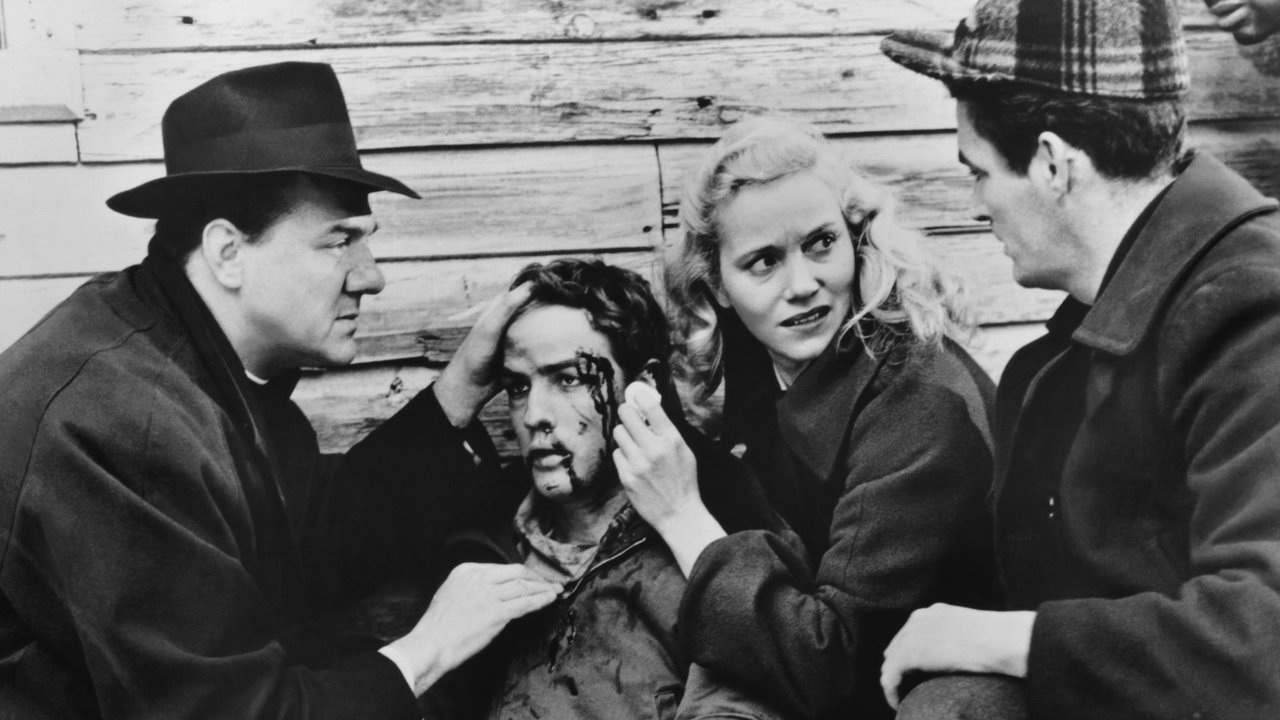
Terry explains his cynical survivalist philosophy to Edie, who challenges his lack of conscience regarding her brother's death.

Start a free 7-day trial — 5 downloads a day, unlimited when Pro begins

Rehearse this scene
Rehearse on your terms

Choose your role and voices for the other characters. Run the scene at your own pace.

Scene PreviewExcerpt — subscribe to read full scene

EDIE

What made you want to be a fighter?

TERRY

I had to scrap all my life. Figured I might as well get paid for it.

TERRY

When I was a kid my old man got killed—never mind how. Charley and I was put in a place—they called it a Children's Home. Some home! I run away and peddled papers, fought in club smokers and— But what am I runnin' off at the mouth…

End of preview. Continue with Pro below.

7 days freeYour next rehearsal starts here

Found your next scene? Make it yours.

Start your free trial and read You Don't Believe in Anything in full, with access to 3,000+ monologues and scenes to explore next.

  • Read the full scene and explore the library
  • Download your script in a clean, printable format
  • Take it into rehearsal with the Script Reader
Casting Types
Get Feedback
Coming Soon

Want expert coaching on this scene?

Browse our curated list of acting coaches, dialect specialists, and more.

Find a Coach

Need representation?

Browse verified agents and casting directors in our directory.

Scene Notes & Audition Tips

5 sections
About This Scene

This intense duologue from the classic film *On the Waterfront* presents a powerful confrontation between two characters with vastly different worldviews. Edie, grappling with the recent death of her brother, challenges Terry's cynical "every man for himself" philosophy, especially concerning his perceived lack of conscience. The scene highlights a crucial moment where personal guilt, moral responsibility, and a stark philosophical divide come to a head, revealing the deep internal conflict within Terry and Edie's unwavering idealism. It's a gripping exploration of morality in a harsh, working-class environment.

Character Analysis

Edie is presented as a moral compass, deeply empathetic and intellectually probing, unafraid to challenge Terry's bleak outlook even as she struggles with her own grief. She believes in universal human connection and questions Terry’s seemingly self-serving worldview. Terry, conversely, is a product of his harsh upbringing, presenting a tough, cynical exterior as a survival mechanism, but underneath lies a troubling conscience and a defensive vulnerability. He champions a pragmatic, almost brutal philosophy of self-preservation, which he uses to deflect guilt and avoid deeper emotional reckoning.

Why This Works for Auditions

This scene offers actors a fantastic opportunity to showcase a wide range of emotions and intellectual depth within a compact timeframe. The sharp, rhythmic dialogue, filled with both philosophical debate and personal accusation, allows for dynamic shifts in tone and intensity. It’s ideal for demonstrating the ability to hold a strong point of view, engage in complex emotional subtext, and react authentically to a challenging counterpart. The clear conflict and high stakes make it an engaging piece for both the performers and the audition panel.

Best Suited For

This duologue is exceptionally well-suited for drama school auditions, agent showcases, and self-tapes where actors need to highlight their ability to portray intense dramatic conflict and nuanced character work. It’s perfect for actors in the 18-25 age range, particularly those who can embody the casting types of Ingenue and Anti-Hero, or characters with strong working-class backgrounds. The scene's themes of guilt and morality also make it an excellent choice for general practice, allowing actors to hone their skills in portraying complex emotional and philosophical arguments.

Performance Tips

When approaching this scene, actors should focus on the underlying motivations and the escalating tension between Edie and Terry. For Edie, channel her persistent morality and growing shock into a grounded, unwavering conviction, ensuring her vulnerability doesn't diminish her strength. For Terry, explore the defensive layers beneath his bravado; his cynicism is a shield, and hints of his internal struggle and guilt should subtly inform his delivery, especially as Edie’s words begin to hit home. Pay close attention to the rhythm of the dialogue and the shifting power dynamics as each character attempts to assert their worldview.

Explore this topic