Showing 9 of 9 scenes
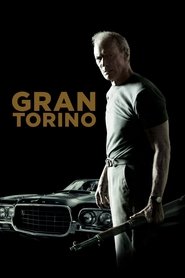
Gran Torino
by Nick Schenk
Walt Kowalski finally visits the confessional to unburden himself of minor lifelong guilts, but the priest realizes Walt is masking a much more dangerous intention. The scene highlights the tension between Walt's desire for spiritual peace and his plan for a violent confrontation to protect his neighbors.
The Boondock Saints
by Troy Duffy
A Monsignor delivers a powerful sermon on St. Patrick's Day, recounting the tragic story of Kitty Genovese to illustrate the dangers of apathy. He challenges the congregation to realize that while evil men are a threat, the true danger to society is the silence and indifference of those who consider themselves good.
The Musketeers III
by Simon J Ashford
Aramis attempts to warn the Abbott of an imminent violent threat approaching the monastery, but his concerns are dismissed as worldly restlessness. The scene highlights the conflict between Aramis's soldier past and his current life of faith as he struggles to protect the orphans under his care.
21 Grams
by Guillermo Arriaga
A guilt-ridden man named Jack confesses to a priest about a hit-and-run accident that claimed the lives of a man and two young girls. He struggles with the weight of his actions and the possibility of divine forgiveness while the priest attempts to guide him toward repentance.
Sinners
by Ryan Coogler
A philosophical, menacing, ritualistic, intense REMMICK & SAMMIE's duologue from "Sinners" by Ryan Coogler.
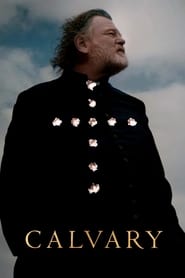
Calvary
by John Michael McDonagh
A priest, Father Lavelle, confronts a local mechanic and a husband regarding the domestic abuse of a woman in their community. The conversation turns hostile as they discuss morality, race, and the history of the church.
Father Leary expresses his frustration and lack of worldliness regarding the confessions he hears, specifically concerning a woman being abused. Father Lavelle acts as the more grounded, cynical, and knowledgeable counterpart.
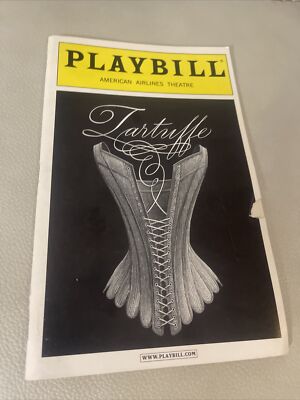
Tartuffe
by Molière
Elmire attempts to expose Tartuffe's hypocrisy by baiting him into making a romantic advance while her husband, Orgon, hides nearby. Tartuffe reveals his true nature by justifying his lust through twisted religious logic.
The hypocritical religious fraud Tartuffe attempts to seduce Elmire, the wife of his benefactor. He uses twisted theological logic to justify his lustful advances, claiming that his attraction to her beauty is actually a form of worship toward the Creator.