
Film
duologue
Drama

Constantine's Wisdom

from The Help

Written by Tate Taylor

The Help

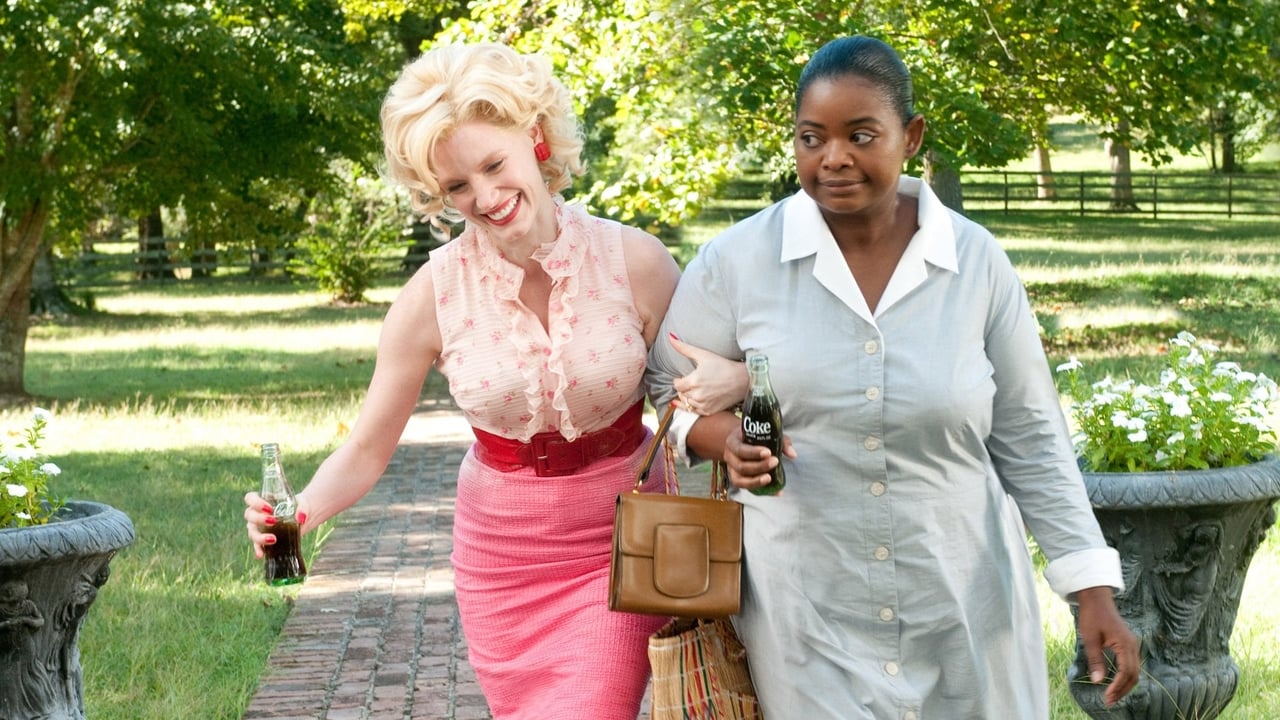
A young, insecure Skeeter confides in her family's maid, Constantine, about not being asked to a dance and feeling ugly. Constantine offers profound wisdom, encouraging Skeeter to define her own worth and future, rather than internalizing the negativity of others.

Start a free 7-day trial — 5 downloads a day, unlimited when Pro begins

Rehearse this scene
Rehearse on your terms

Choose your role and voices for the other characters. Run the scene at your own pace.

Scene PreviewExcerpt — subscribe to read full scene

CONSTANTINE

What you doin' hidin' out here, Girl?

SKEETER

I just couldn't tell momma I didn't get asked to the dance.

CONSTANTINE

It's all right. Some things we just got to keep to ourselves, right?

SKEETER

All the boys say I'm ugly. Momma was third runner up in the Miss South Carolina pageant.

CONSTANTINE

I wish you would quit feeling sorry for…

End of preview. Continue with Pro below.

7 days freeYour next rehearsal starts here

Found your next scene? Make it yours.

Start your free trial and read Constantine's Wisdom in full, with access to 1,000+ monologues and scenes to explore next.

  • Read the full scene and explore the library
  • Download your script in a clean, printable format
  • Take it into rehearsal with the Script Reader
Casting Types
Get Feedback
Coming Soon

Want expert coaching on this scene?

Browse our curated list of acting coaches, dialect specialists, and more.

Find a Coach

Need representation?

Browse verified agents and casting directors in our directory.

Scene Notes & Audition Tips

5 sections
About This Scene

This poignant duologue from the Academy Award-winning film *The Help* offers a beautiful moment of mentorship and emotional depth. It features a young, insecure Skeeter confiding in the wise and supportive Constantine about her feelings of inadequacy and being made to feel "ugly" by her peers. Constantine, with her profound wisdom, guides Skeeter towards self-acceptance and recognizing her intrinsic worth, offering an inspiring message about defining one's own path.

Character Analysis

Skeeter, at 15, embodies the vulnerability and self-consciousness typical of adolescence, grappling with external validation and struggling to align with societal beauty standards. Her emotional state is one of insecurity and burgeoning self-doubt, despite an underlying strength that Constantine clearly perceives. Constantine, in contrast, is a figure of immense strength, wisdom, and comforting empathy; she serves as a vital mentor, offering a perspective grounded in life experience and an unwavering belief in Skeeter's potential.

Why This Works for Auditions

This scene is excellent for auditions due to its clear emotional arc and the strong contrast between the two characters, allowing actors to showcase a range of feelings within a short timeframe. The dialogue is naturalistic yet impactful, providing ample opportunities for genuine reactions and nuanced delivery. It also explores universal themes of self-worth, mentorship, and coming-of-age, making it relatable to a broad audience and casting directors.

Best Suited For

This duologue is best suited for female actors under 18, particularly those looking to portray a vulnerable yet intelligent ingenuine or a wise, supportive mentor. It's ideal for self-tapes, general practice, and drama school auditions, especially for actors who can convey deep emotional honesty. The scene's focus on internal struggle and empowerment makes it perfect for actors strong in character-driven dramatic work.

Performance Tips

For Skeeter, focus on her physical discomfort and initial shyness, gradually opening up as Constantine offers her wisdom. Allow her insecurities to be evident in her posture and vocal delivery, then show a glimmer of hope and resolve as she processes Constantine's words. For Constantine, ground your performance in a sense of quiet strength and unwavering kindness; your vocal tone should be warm, reassuring, and filled with the conviction of lived experience, emphasizing the profound weight and care behind her advice.

Explore this topic