Film
monologue
Drama
Thriller

I Killed Dietrichson

from Double Indemnity

Written by BILLY WILDER

Double Indemnity

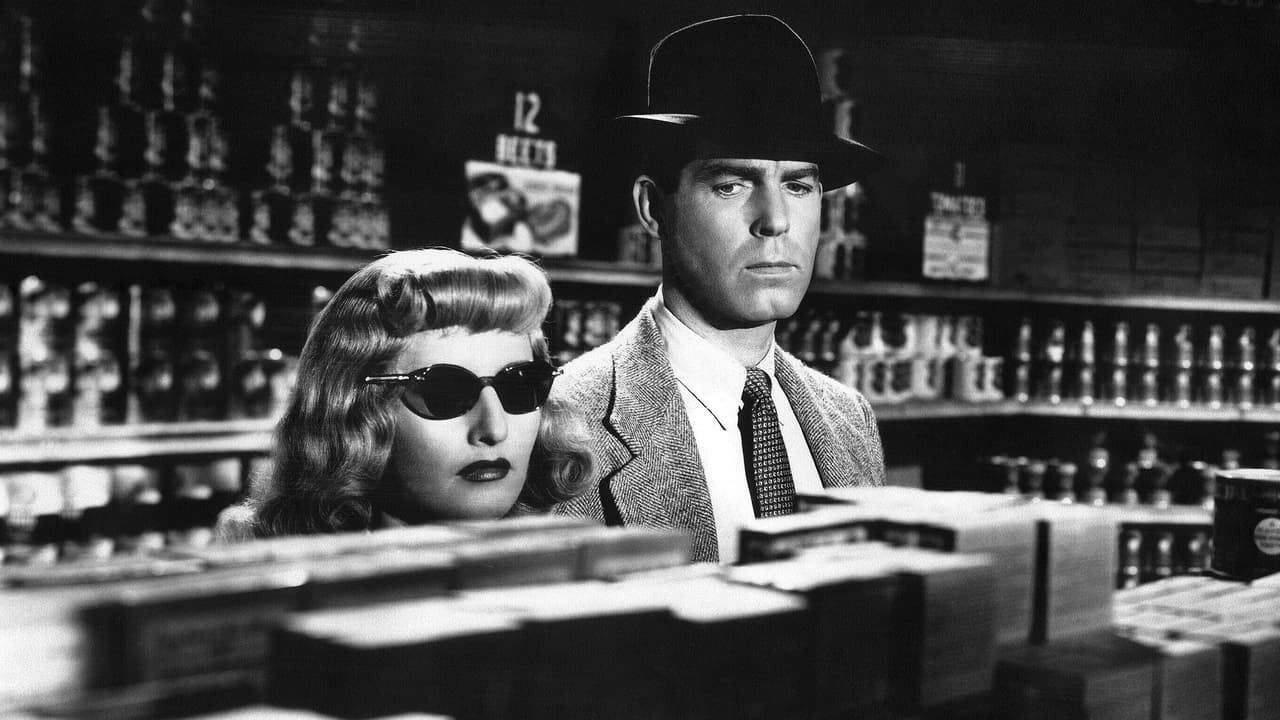
Walter Neff records a confession for his colleague Barton Keyes, admitting to the murder of Mr. Dietrichson for money and a woman.

Start a free 7-day trial — 5 downloads a day, unlimited when Pro begins

Rehearse on your terms

Take this monologue into rehearsal and work through it at your own pace.

Scene PreviewExcerpt — subscribe to read full scene

NEFF

Office memorandum, Walter Neff to Barton Keyes, Claims Manager. Los Angeles, July 16th, 1938. Dear Keyes: I suppose you'll call this a confession when you hear it. I don't like the word confession. I just want to set you right about one thing you couldn't see, because it was smack up against your nose. You think you're such a hot potato as a claims…

End of preview. Continue with Pro below.

7 days freeYour next rehearsal starts here

Found your next scene? Make it yours.

Start your free trial and read I Killed Dietrichson in full, with access to 3,000+ monologues and scenes to explore next.

  • Read the full scene and explore the library
  • Download your script in a clean, printable format
  • Take it into rehearsal with the Script Reader
Casting Types
Get Feedback
Coming Soon

Want expert coaching on this scene?

Browse our curated list of acting coaches, dialect specialists, and more.

Find a Coach

Need representation?

Browse verified agents and casting directors in our directory.

Scene Notes & Audition Tips

5 sections
About This Scene

This monologue, featuring the character Neff from *Double Indemnity*, is an intense confession delivered under extreme duress. Neff, an insurance agent, records a message for his colleague, Barton Keyes, revealing the truth behind a complex murder. The scene unfolds as Neff admits to killing Mr. Dietrichson, driven by financial gain and a woman, realizing his elaborate plan ultimately failed. It is a powerful moment of reckoning, filled with bitterness, self-awareness, and dark irony.

Character Analysis

Walter Neff is a quintessential anti-hero, a smooth-talking insurance agent who descends into crime. His age, in the 30s, places him at a crossroads where ambition and desire lead to moral compromise. He presents as an Everyman making a fatal error in judgment, revealing a hidden criminal undercurrent. Neff’s tone is full of sardonic wit, cynicism, and weary resignation, even as he justifies his actions and subtly mocks his colleague's investigative prowess. He grapples with the profound consequences of his choices, admitting guilt without true repentance, focusing instead on his scheme's ironic failure.

Why This Works for Auditions

This monologue is an excellent choice for auditions, showcasing a wide range of intense emotions and character depth. It allows an actor to demonstrate precision in tone, conveying complex feelings like regret, defiance, and dark humor simultaneously. The confession format provides a clear objective – to reveal the truth – while the character's internal conflict and self-analysis offer rich material for a compelling performance. The piece demands strong vocal control, nuanced physical choices to convey Neff's injured state, and the ability to build tension effectively, making it perfect for demonstrating significant acting range.

Best Suited For

This monologue is particularly well-suited for male actors aged 25-35 who embody Casting Types such as Anti-Hero, Leading Man, Criminal, Everyman, or Gritty characters. It’s an ideal selection for drama school auditions, agent showcases, or self-tapes requiring a complex character with a strong emotional arc. Those seeking roles in period dramas, film noir, or contemporary thrillers will find this piece especially relevant. Actors who can skillfully navigate a character's moral ambiguity while maintaining audience engagement will excel with this material.

Performance Tips

When approaching this monologue, focus on Neff’s underlying weariness and the physical toll his actions have taken, referencing his injured shoulder subtly. Pay close attention to shifts in his tone, moving from dry sarcasm when addressing Keyes to profound reflection on his motives. The monologue is a confession, but also a final, defiant statement, so avoid making Neff seem purely remorseful. Instead, channel his sardonic acceptance of his fate and the dark satisfaction in revealing the truth, even if it is a bitter one.

Explore this topic