Film
monologue
Drama
Comedy-Drama

Lincoln's Ethan Allen Story

from Lincoln

Written by Tony Kushner

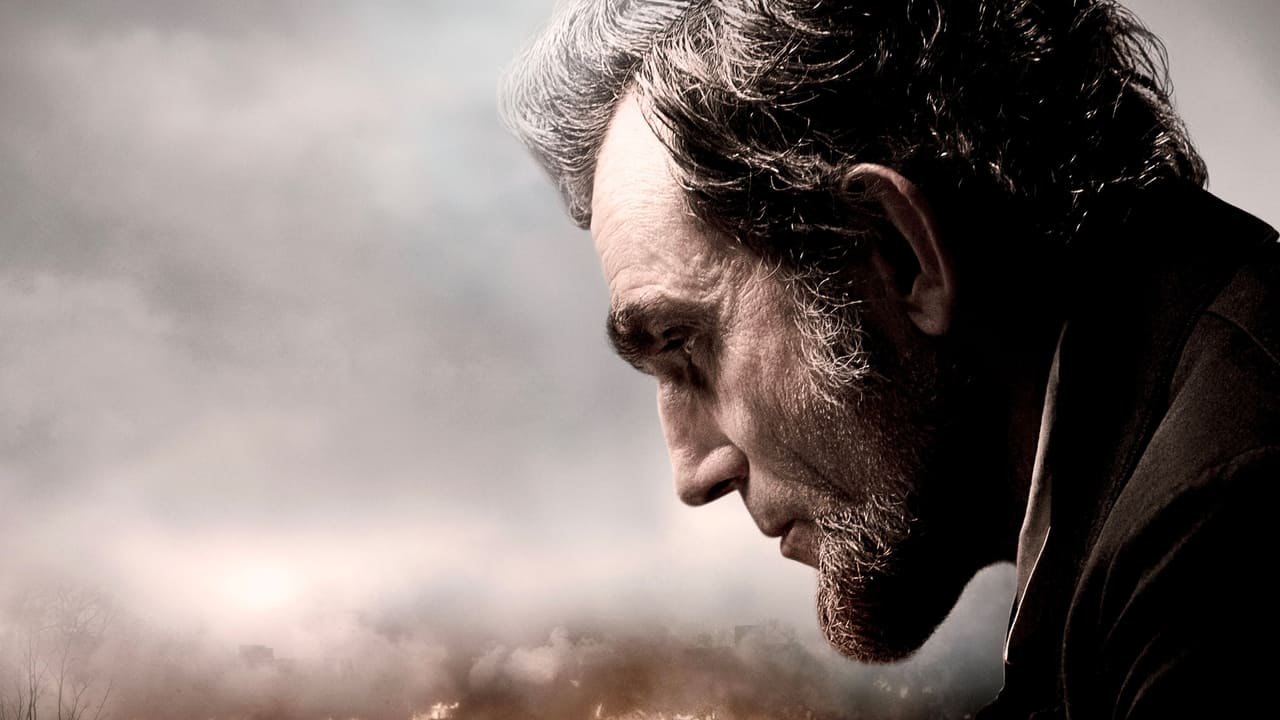
Lincoln

Abraham Lincoln tells a humorous anecdote about Ethan Allen in London to ease tension and illustrate American resilience and wit.

Start a free 7-day trial — 5 downloads a day, unlimited when Pro begins

Rehearse on your terms

Take this monologue into rehearsal and work through it at your own pace.

Scene PreviewExcerpt — subscribe to read full scene

LINCOLN

It was right after the Revolution, right after peace had been concluded, and Ethan Allen went to London to help our new country conduct its business with the king. The English sneered at how rough we are, and rude and simple-minded and on like that, everywhere he went, till one day he was invited to the townhouse of a great English lord. Dinner…

End of preview. Continue with Pro below.

7 days freeYour next rehearsal starts here

Found your next scene? Make it yours.

Start your free trial and read Lincoln's Ethan Allen Story in full, with access to 4,000+ monologues and scenes to explore next.

  • Read the full scene and explore the library
  • Download your script in a clean, printable format
  • Take it into rehearsal with the Script Reader
Casting Types
Get Feedback
Coming Soon

Want expert coaching on this scene?

Browse our curated list of acting coaches, dialect specialists, and more.

Find a Coach

Need representation?

Browse verified agents and casting directors in our directory.

Scene Notes & Audition Tips

5 sections
About This Scene

This powerful monologue from the Oscar-winning film *Lincoln* features Abraham Lincoln sharing a humorous and insightful anecdote about Ethan Allen. Delivered by the 16th President of the United States, this piece is a masterclass in storytelling, designed to both entertain and make a profound point. Lincoln uses the tale of Allen's visit to London to subtly underscore themes of American identity, resilience, and wit, all while attempting to lighten a tense political atmosphere. It offers an actor a rich opportunity to explore a character who is both a statesman and a masterful communicator.

Character Analysis

Lincoln in this scene is presented as an intelligent, charismatic, and deeply strategic leader. He uses humor not as a distraction, but as a sophisticated tool for persuasion and connection. The character embodies wisdom, authority, and a folksy charm that belies a sharp intellect. Actors should focus on conveying his thoughtful pauses, the twinkle in his eye, and the underlying gravitas that informs even his most lighthearted moments. This portrayal requires an understanding of a man who carries immense responsibility yet maintains his humanity and ability to connect with others on a personal level.

Why This Works for Auditions

This monologue is an excellent choice for auditions because it showcases an actor's ability to command a room with storytelling. It requires strong vocal control, nuanced comedic timing, and the capacity to convey complex layers of thought and emotion. The shift from an engaging anecdote to a subtle, pointed message demonstrates versatility, making it ideal for casting directors looking for depth and presence. Its historical context and association with a critically acclaimed film also lend it an immediate sense of gravitas and recognition.

Best Suited For

This monologue is particularly well-suited for male actors in the 45-55 age range who can embody a commanding yet approachable presence. It is perfect for those aiming for "Leading Man," "Authority Figure," or "Patriarch" casting types. Its blend of historical gravitas and accessible humor also makes it suitable for an "Everyman" with a powerful storytelling ability. Actors who excel at character work and delivering a nuanced dramatic performance with comedic undertones will find this piece highly effective.

Performance Tips

When performing this monologue, focus on Lincoln's intent behind the story: he's not just telling a joke, he's making a point and easing tension. Pay close attention to pacing; allow the humor to land naturally without rushing, and build the anecdote's narrative arc effectively. The key is to find the balance between Lincoln's inherent wisdom and his accessible, almost mischievous, delivery. Use subtle vocal shifts and facial expressions to convey the different characters within his story, and let the underlying powerful tone of his leadership shine through even the most humorous moments.

Explore this topic