
Film
duologue
drama

Motor Neuron Disease Diagnosis

from The Theory of Everything

Written by Anthony McCarten

The Theory of Everything

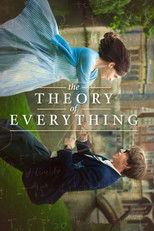
A young Stephen Hawking receives the devastating news that he has motor neuron disease. The doctor coldly explains the physical decay he will face while confirming that his mind will remain intact, leaving Stephen to process a two-year life expectancy.

Start a free 7-day trial — 5 downloads a day, unlimited when Pro begins

Rehearse this scene
Rehearse on your terms

Choose your role and voices for the other characters. Run the scene at your own pace.

Scene PreviewExcerpt — subscribe to read full scene

SENIOR DOCTOR

It's called motor neuron disease.

STEPHEN

What's that?
SENIOR DOCTOR

It's a progressive neurological disorder that destroys the cells in the brain that control essential muscle activity such as speaking, walking--breathing--swallowing. The signals that muscles must receive in order to move are disrupted, cut off. The result is--gradual…

End of preview. Continue with Pro below.

7 days freeYour next rehearsal starts here

Found your next scene? Make it yours.

Start your free trial and read Motor Neuron Disease Diagnosis in full, with access to 1,000+ monologues and scenes to explore next.

  • Read the full scene and explore the library
  • Download your script in a clean, printable format
  • Take it into rehearsal with the Script Reader
Casting Types
Get Feedback
Coming Soon

Want expert coaching on this scene?

Browse our curated list of acting coaches, dialect specialists, and more.

Find a Coach

Need representation?

Browse verified agents and casting directors in our directory.

Scene Notes & Audition Tips

5 sections
About This Scene

This powerful duologue from *The Theory of Everything* features the profound moment where a young Stephen Hawking receives his life-altering diagnosis of motor neuron disease. The scene is imbued with a devastating and clinical tone as a Senior Doctor delivers the shocking news of inevitable physical decay, contrasting sharply with the reassurance that Stephen's brilliant mind will remain unaffected. This contrast creates a deeply moving and intense dynamic, forcing the character of Stephen to grapple with an unimaginably bleak future and a two-year life expectancy.

Character Analysis

Stephen, in this scene, is presented in an incredibly vulnerable state, transitioning from initial curiosity to utter shock and profound realization. His character arc within these brief moments is immense, as he must process information that shatters his world while desperately trying to cling to any shred of hope or understanding. The Senior Doctor, conversely, embodies an authority figure who is detached and clinical, delivering the diagnosis with a professional, albeit unsentimental, demeanor. While seemingly cold, the description hints at a deeper internal struggle for the Doctor, suggesting this is not an easy speech to deliver despite his outward composure.

Why This Works for Auditions

This scene works exceptionally well for auditions because it offers rich emotional complexity and a clear dramatic arc for both characters within a compact timeframe. Actors can showcase their ability to convey a wide range of emotions – from intellectual curiosity and denial to shock, despair, and a desperate search for clarity – without relying on overly theatrical gestures. The precise, clinical language of the doctor also provides a strong counterpoint, allowing an actor to demonstrate nuance in portraying a professional delivering difficult news, even while hinting at personal discomfort.

Best Suited For

This duologue is best suited for male actors in the 20s-50s age range who wish to demonstrate intense emotional depth and vulnerability, or a controlled, authoritative presence. It is particularly strong for those looking to be cast as leading men showcasing dramatic prowess, or actors aiming for roles requiring a sophisticated understanding of medical or intellectual dialogue. The scene's devastating nature makes it ideal for agent showcases or self-tapes where a powerful, character-driven performance is desired, rather than comedies or light-hearted drama.

Performance Tips

When approaching this scene as Stephen, focus on an internal journey of disbelief and a desperate attempt to process the incomprehensible. Allow the doctor's words to physically and emotionally land with each revelation, rather than anticipating the next line. For the Senior Doctor, concentrate on the conflict between professional detachment and the underlying human awareness of the grave news being delivered; a subtle hesitation or a slight shift in vocal tone can convey this depth. Both actors should pay close attention to the rhythm and pacing of the dialogue, using silences to amplify the scene's emotional weight and the shocking reality of the diagnosis.

Explore this topic