
Skip to content
    Film
    duologue
    Comedy-Drama

    Mr. Moustafa Explains Why He Kept the Hotel

    from The Grand Budapest Hotel

    Written by Wes Anderson

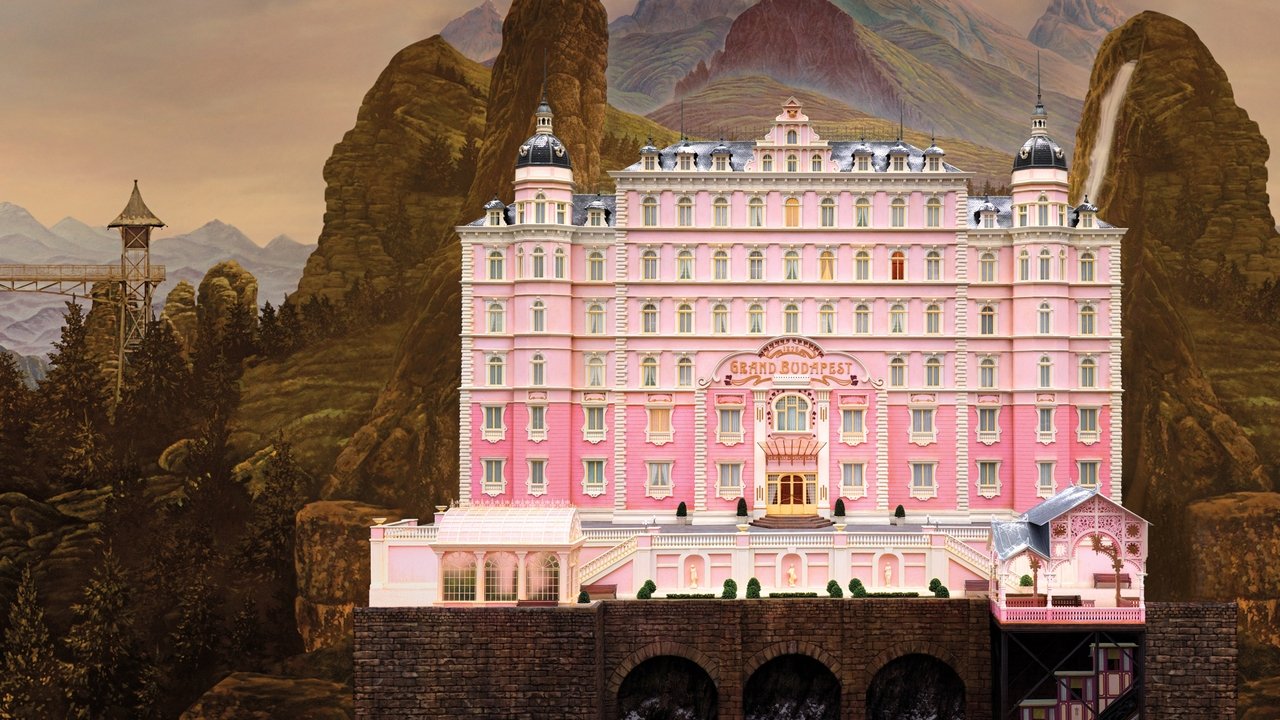
    The Grand Budapest Hotel

    2 min · 2 characters · Any gender · 35-45

    In a deserted lobby, the Author questions Mr. Moustafa about why he keeps the unprofitable hotel, leading to a poignant revelation about his past.

    Start a free 7-day trial — 5 downloads a day, unlimited when Pro begins

    Rehearse this scene
    Rehearse on your terms

    Choose your role and voices for the other characters. Run the scene at your own pace.

    Scene PreviewExcerpt — subscribe to read full scene

    AUTHOR

    Forgive me for asking. I hope I haven’t upset you.

    MR. MOUSTAFA

    Of course, not.

    AUTHOR

    Is it simply your last connection to that -- vanished world? His world, if you will?

    MR. MOUSTAFA

    His world? No, I don’t think so. You see, we shared a vocation. It wouldn’t have been necessary. He’s always with me. No, the hotel -- I keep for Agatha. MR.…

    End of preview. Continue with Pro below.

    7 days freeYour next rehearsal starts here

    Found your next scene? Make it yours.

    Start your free trial and read Mr. Moustafa Explains Why He Kept the Hotel in full, with access to 9,000+ monologues and scenes to explore next.

    • Read the full scene and explore the library
    • Download your script in a clean, printable format
    • Take it into rehearsal with the Script Reader
    Casting Types
    Get Feedback
    Coming Soon

    Want expert coaching on this scene?

    Browse our curated list of acting coaches, dialect specialists, and more.

    Find a Coach

    Need representation?

    Browse verified agents and casting directors in our directory.

    Scene Notes & Audition Tips

    5 sections
    About This Scene

    Set in the quiet, deserted lobby of a once-magnificent establishment, this delicate two-person scene captures an intimate late-night exchange between a curious guest and the building's enigmatic owner. As they prepare to part ways for the evening, the Author gently presses Mr. Moustafa about why he traded an immense fortune to retain an unprofitable, declining property. The conversation moves past simple business logic into the realm of profound personal history, exploring themes of bittersweet nostalgia, profound loyalty, and the delicate nature of memory.

    Character Analysis

    The Author serves as an insightful, observant chronicler whose forward inquiry stems from genuine fascination rather than casual nosiness. They balance professional decorum with palpable hesitation, acutely aware that their questioning risks opening old wounds. Mr. Moustafa is a dignified, sophisticated figure who carries the weight of a bygone era with quiet grace and melancholy warmth. Rather than responding with sentimentality, he approaches his recollections with clear-eyed tenderness, revealing a man who lives peacefully alongside his enduring grief.

    Why This Works for Auditions

    This duologue is an exceptional test of an actor's ability to handle stillness, restraint, and subtext. Because the emotional stakes are deeply internalised rather than outwardly explosive, casting directors can observe how performers navigate subtlety, pregnant pauses, and gentle transitions. For the actor playing Moustafa, it provides a showcase for emotional depth and reflective presence, while the Author offers a valuable study in active listening, respectful boundary-pushing, and conversational vulnerability.

    Best Suited For

    The scene is ideal for agent showcases, self-tapes, and general classroom practice where nuanced screen acting is the primary objective. It is particularly well matched for character actors and performers portraying sophisticated, elderly, or vulnerable roles across a playing age of 35 to 45 and above. Its restrained pacing and conversational tone make it a strong candidate for contemporary dramatic reels that require genuine dramatic weight without grand histrionics.

    Performance Tips

    Resist the temptation to overplay the nostalgic or mournful elements of the dialogue. Ground the physical interaction in the reality of an unhurried, late-night conversation, allowing comfortable silences and measured eye contact to do the heavy lifting. The Author should ensure their inquiry feels like a genuine, spontaneous risk rather than an interrogation, while Moustafa must let the emotional revelations surface naturally, treating memories as living realities rather than museum exhibits.

    No ratings yet
    Sign in to rate