Film
group
Animation, Adventure, Comedy

Rex's Despair

from Isle of Dogs

Written by Wes Anderson

Isle of Dogs

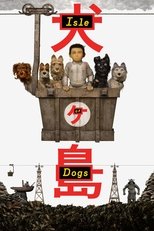
A group of abandoned dogs on Trash Island lament their lost lives of domestic comfort and professional success. As they struggle with the grim reality of their exile, they discuss the rumored suicide of a fellow dog and express a desperate longing for their masters.

Start a free 7-day trial — 5 downloads a day, unlimited when Pro begins

Rehearse this scene
Rehearse on your terms

Choose your role and voices for the other characters. Run the scene at your own pace.

Scene PreviewExcerpt — subscribe to read full scene

REX

I don’t think I can stomach any more of this garbage.

KING

Me, neither.

BOSS

Same here.

DUKE

It’s horrible.

REX

I used to sleep on a lambs-wool bean-bag next to an electric space-heater. That’s my territory. I’m an indoor dog.
End of preview. Continue with Pro below.

7 days freeYour next rehearsal starts here

Found your next scene? Make it yours.

Start your free trial and read Rex's Despair in full, with access to 4,000+ monologues and scenes to explore next.

  • Read the full scene and explore the library
  • Download your script in a clean, printable format
  • Take it into rehearsal with the Script Reader
Casting Types
Get Feedback
Coming Soon

Want expert coaching on this scene?

Browse our curated list of acting coaches, dialect specialists, and more.

Find a Coach

Need representation?

Browse verified agents and casting directors in our directory.

Scene Notes & Audition Tips

5 sections
About This Scene

This poignant group scene from Wes Anderson’s *Isle of Dogs* explores the existential angst of abandoned canines on Trash Island. Rex, King, Boss, and Duke, once pampered pets, now face a grim existence, lamenting lost comforts and former statuses. Their dialogue captures shared despair over their exile, punctuated by darkly humorous self-pity and the sobering rumor of a fellow dog's suicide. This moment encapsulates the film's unique blend of melancholic introspection and stylized, deadpan comedy, offering a rich emotional landscape for actors to explore.

Character Analysis

Rex embodies deep despair, having lost simple luxuries he considered his birthright as an "indoor dog." His quiet declaration of wanting to "give up" reveals profound weariness. King's lines highlight a fallen star, struggling with the contrast between past glory and present indignity, while Boss carries the weight of a former mascot, now devoid of spirit. Duke, initially focused on basic needs, later becomes the bearer of a morbid rumor, grounding the scene's escalating melancholy. Each character's dialogue offers distinct facets of animalistic existential crisis, allowing actors to portray nuanced layers of sadness and resignation.

Why This Works for Auditions

This group scene is an excellent choice for auditions due to its distinct tone and clear character arcs within a short duration. It allows actors to showcase their ability to deliver deadpan humor while conveying genuine despair and vulnerability. The ensemble nature means you can demonstrate collaborative acting, reacting truthfully to fellow performers, which is a valuable casting skill. Furthermore, the scene's stylized dialogue and melancholic undertones offer a unique opportunity to stand out by embracing the specific demands of Wes Anderson's distinctive writing.

Best Suited For

This scene is particularly well-suited for character actors and those who excel at blending comedic timing with dramatic depth. Actors comfortable with a dry, deadpan delivery and who can convey inner turmoil through subtle choices will thrive here. It's an ideal choice for general practice, self-tapes, or agent showcases where you want to demonstrate versatility in handling darkly humorous and genuinely affecting material. The scene appeals to those who can find humanity and pathos within an animalistic context, making it a compelling piece for a range of male actors.

Performance Tips

When approaching this scene, lean into the melancholic and despairing tone without becoming overtly dramatic; the humor often arises from the understated delivery of dire circumstances. Focus on the contrast between the dogs' former lives and current predicament to inform your character's emotional state. Pay close attention to the rhythm and pacing of the dialogue, as Wes Anderson's writing often has a very specific musicality. For Rex, find quiet resignation, while King and Boss should convey their specific losses with lingering pride and shame. For Duke, portray the pragmatic, yet ultimately grim, realist of the group.

Explore this topic