Skip to content
    Film
    monologue
    Comedy-Drama

    The Train to Lutz

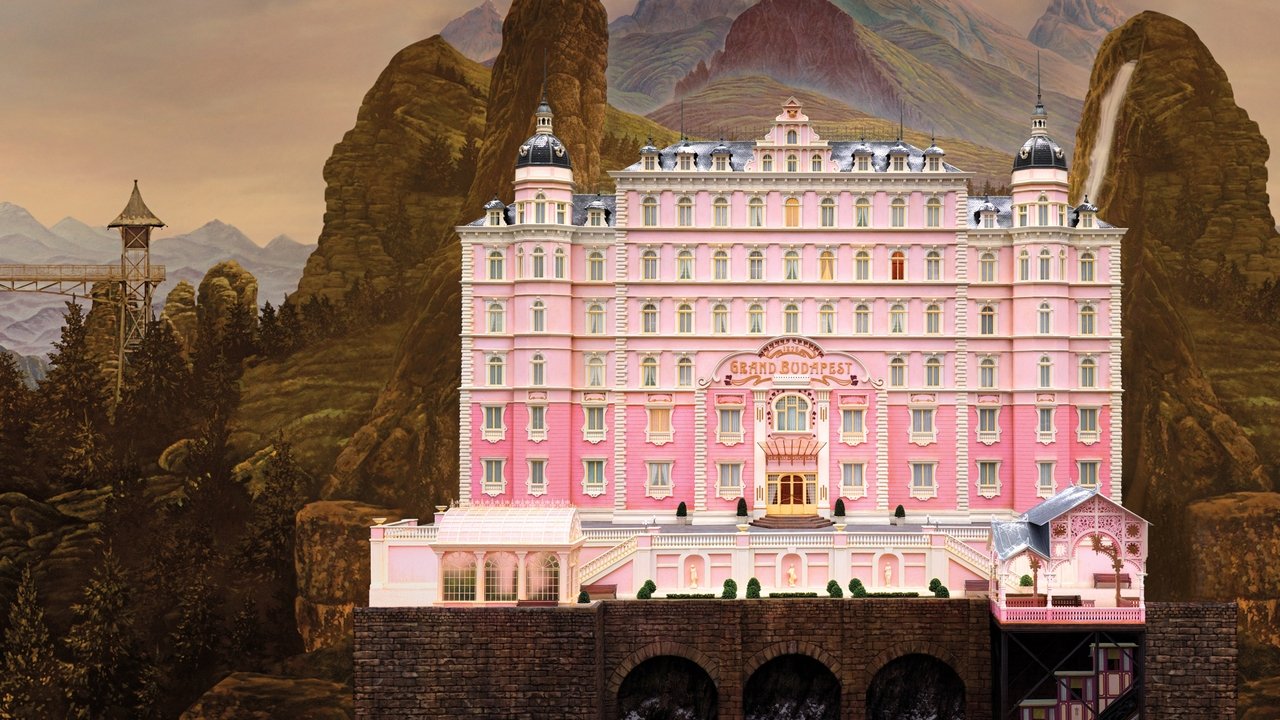
    from The Grand Budapest Hotel

    Oscar WinnerBAFTA WinnerGolden Globe

    Written by Wes Anderson

    The Grand Budapest Hotel

    4 min · 1 character · Male · 45-55

    M. Gustave reflects on the fading presence of elegance and civility in a world descending into chaos and war. His poetic monologue about the importance of the hotel's service ends in a sudden, weary realization of the futility of his efforts.

    Start a free 7-day trial — 5 downloads a day, unlimited when Pro begins

    Rehearse on your terms

    Take this monologue into rehearsal and work through it at your own pace.

    Scene PreviewExcerpt — subscribe to read full scene

    M. GUSTAVE

    You see? There are still faint glimmers of civilization left in this barbaric slaughterhouse that was once known as humanity. Indeed, that’s what we provide in our own modest, humble, insignificant -- Oh, fuck it.

    End of preview. Continue with Pro below.

    7 days freeYour next rehearsal starts here

    Found your next scene? Make it yours.

    Start your free trial and read The Train to Lutz in full, with access to 7,500+ monologues and scenes to explore next.

    • Read the full scene and explore the library
    • Download your script in a clean, printable format
    • Take it into rehearsal with the Script Reader
    Casting Types
    Get Feedback
    Coming Soon

    Want expert coaching on this scene?

    Browse our curated list of acting coaches, dialect specialists, and more.

    Find a Coach

    Need representation?

    Browse verified agents and casting directors in our directory.

    Scene Notes & Audition Tips

    5 sections
    About This Scene

    Written by Wes Anderson for the acclaimed comedy-drama *The Grand Budapest Hotel*, this monologue captures a rare moment of exposed vulnerability aboard a train. M. Gustave passionately reflects on the role of manners, elegance, and dedicated service in holding back an increasingly brutal and chaotic world. What begins as an elevated, poetic defense of old-world civility suddenly collapses into a blunt, weary admission of futility. It stands out as a striking study in political tension masked beneath refined decorum.

    Character Analysis

    M. Gustave is an intensely sophisticated, charismatic hotelier who treats impeccable etiquette as a moral duty. He operates as both a classic leading man and a precise character actor archetype, using witty eloquence and charm as armor against an uncaring reality. Beneath his polished facade lies a fierce sense of loyalty and a growing, quiet dread about the encroaching darkness of the times. When his buoyant optimism abruptly falters, we see the deeply fatigued human being beneath the immaculate uniform.

    Why This Works for Auditions

    This modern-classic piece offers actors a brilliant vehicle for showcasing vocal precision and nuanced emotional range. Casting teams frequently look for performers who can handle highly stylized, rhythmic dialogue without sacrificing genuine interior life. The monologue features a clean, dramatic pivot point where grandiose theatricality gives way to raw, grounded defeat. That stark tonal shift creates an unforgettable button for a showcase or audition room.

    Best Suited For

    This selection is an exceptional match for male actors aged forty-five to fifty-five who fall into charming, sophisticated, or idiosyncratic character categories. It is particularly effective for agent showcases and competitive self-tapes requiring immediate personality and verbal dexterity. Furthermore, it serves as rich material for general practice, allowing actors to explore period-style precision coupled with contemporary comedic sensibilities.

    Performance Tips

    Deliver the opening observations with total sincerity and crisp diction, avoiding the temptation to play the comedic deflation before it arrives. Your belief in the nobility of your craft must feel absolute so that the final collapse carries real weight. Maintain an upright, aristocratic physical presence throughout the speech, allowing the shift in tone to register through a drop in breath and stillness rather than broad physical comedy.

    No ratings yet
    Sign in to rate