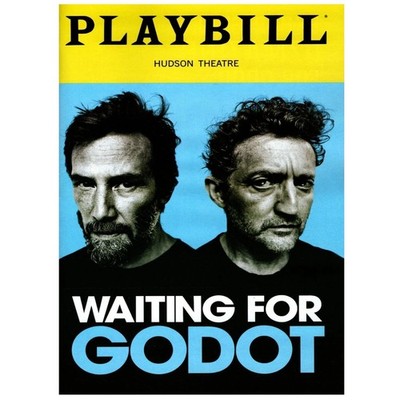
ESTRAGON: Why don't we hang ourselves?
VLADIMIR: With what?
ESTRAGON: You haven't got a bit of rope?
VLADIMIR: No.
ESTRAGON: Then we can't.
In the final moments of the play, Vladimir and Estragon contemplate suicide and the possibility of leaving, only to remain trapped in their cycle of waiting for the mysterious Godot.
ESTRAGON: Why don't we hang ourselves?
VLADIMIR: With what?
ESTRAGON: You haven't got a bit of rope?
VLADIMIR: No.
ESTRAGON: Then we can't.
Format: Duologue · Genre: Comedy-Drama · Source: Waiting for Godot · Author: Samuel Beckett · Characters: Vladimir, Estragon
This short duologue, often referred to as "Act II — The Ending," pulls directly from the iconic modern-classic play Waiting for Godot. In these poignant final moments, the two central characters, Vladimir and Estragon, are contemplating escape from their endless, monotonous existence, specifically through suicide. This scene succinctly encapsulates the play's core themes of absurdism, existentialism, and the tragicomedy of the human condition, making it a powerful and impactful piece.
Vladimir and Estragon are archetypal figures, representing the everyman caught in a perpetual state of waiting and uncertainty. Estragon often embodies the more childlike, instinctual, and suffering aspects, while Vladimir tends to be the slightly more intellectual, philosophical, and patient half of the pair. Both characters, despite their differences, share a deep, unspoken bond and a profound sense of vulnerability as they face their desolate circumstances together, highlighting their co-dependency yet individual struggles with despair.
This scene is a fantastic choice for auditions due to its concise nature and rich subtext, allowing actors to showcase a wide range of emotions and intellectual depth within a short timeframe. Its comedic-dramatic tone demands precise delivery and strong character commitment, demonstrating versatility for casting directors. The minimalist dialogue and absurd situation require actors to make bold choices and embrace the unique theatricality of Beckett's writing.
This duologue is exceptionally well-suited for character actors, everyman types, and those who excel at portraying vulnerable or subtly comedic roles. It is ideal for actors in the 35-45 age range seeking challenging modern-classic material that requires both dramatic heft and a deft comedic touch. This material is particularly effective for drama school auditions, general practice, and acting competitions where impactful, thought-provoking performances are valued.
When approaching this scene, focus on the subtext and the characters' cyclical desperation rather than just the literal words. Explore the nuances of their relationship and the underlying fear and resignation that drives their actions. Emphasize the physical expression of their futility and the tragicomic rhythm of their exchange, ensuring that even the silences and pauses are filled with meaning and emotional weight.