VLADIMIR: You again! Come here till I embrace you.
ESTRAGON: Don't touch me!
VLADIMIR: Do you want me to go away? Gogo! Did they beat you? Where did you spend the night?
ESTRAGON: Don't touch me! Don't question me! Don't speak to me! Stay with me!
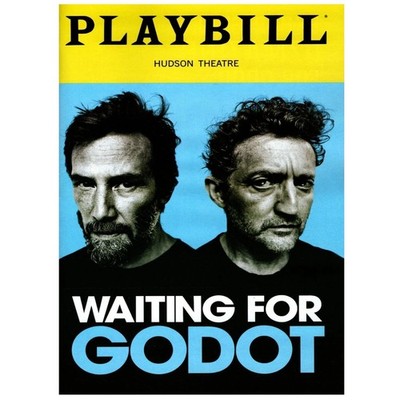
Vladimir opens the second act with a recursive song about a dog before being reunited with a weary and battered Estragon. The scene explores their codependent relationship and the repetitive, cyclical nature of their existence.
VLADIMIR: You again! Come here till I embrace you.
ESTRAGON: Don't touch me!
VLADIMIR: Do you want me to go away? Gogo! Did they beat you? Where did you spend the night?
ESTRAGON: Don't touch me! Don't question me! Don't speak to me! Stay with me!
Format: Duologue · Genre: Comedy-Drama · Source: Waiting for Godot · Author: Samuel Beckett · Characters: Vladimir, Estragon
This compelling duologue opens Act II of Samuel Beckett’s seminal play, Waiting for Godot. The scene begins with Vladimir's seemingly lighthearted yet recursive "Dog Song," immediately followed by the return and reunion with a distressed Estragon. It masterfully encapsulates the core themes of their codependent relationship and the circular, often futile, nature of their existence, shifting rapidly from song to sharp, vulnerable exchanges.
Vladimir is presented as the more active and perhaps slightly more hopeful of the two, attempting to engage and understand the world, even if his efforts are often nonsensical or repetitive. His rendition of the "Dog Song" showcases a childlike innocence mixed with a haunting undercurrent. Estragon, on the other hand, appears beaten down and highly vulnerable, demonstrating a palpable need for connection tempered by a visceral aversion to physical touch and questioning. Both characters exist in a state of arrested development, forever linked in their shared, often baffling, predicament.
This scene is a fantastic choice for auditions due to its rapid emotional shifts and the strong, contrasting needs of each character. It allows actors to showcase both comedic timing during Vladimir’s song and profound vulnerability in the subsequent reunion. The minimal setting and heightened language put the focus squarely on the actors’ ability to build a world through their performances, highlighting their capacity for nuance and emotional depth without relying on external elements.
This scene is particularly well-suited for male actors in the 35-45 age range seeking material for drama school auditions, general practice, or acting competitions. It appeals to character actors, "everyman" types, and those comfortable embodying comedic and dramatic vulnerability. Its minimalist nature makes it perfect for showcasing a strong two-person dynamic, ideal for actors who can convey complex internal states with seemingly simple dialogue.
When approaching this scene, focus on the inherent rhythm and musicality of Beckett's language, especially during Vladimir’s song. For Estragon, explore the push and pull between his desperate need for companionship and his instinctive rejection of intimacy. Emphasize the physical dynamic of their reunion, even if it's about the avoidance of touch, as this speaks volumes about their relationship. Allow the underlying sense of absurdity and vulnerability to inform every line, ensuring that both characters’ unique perspectives are clearly articulated.