Skip to content
    Film
    group
    Drama

    The Black Man's Voice

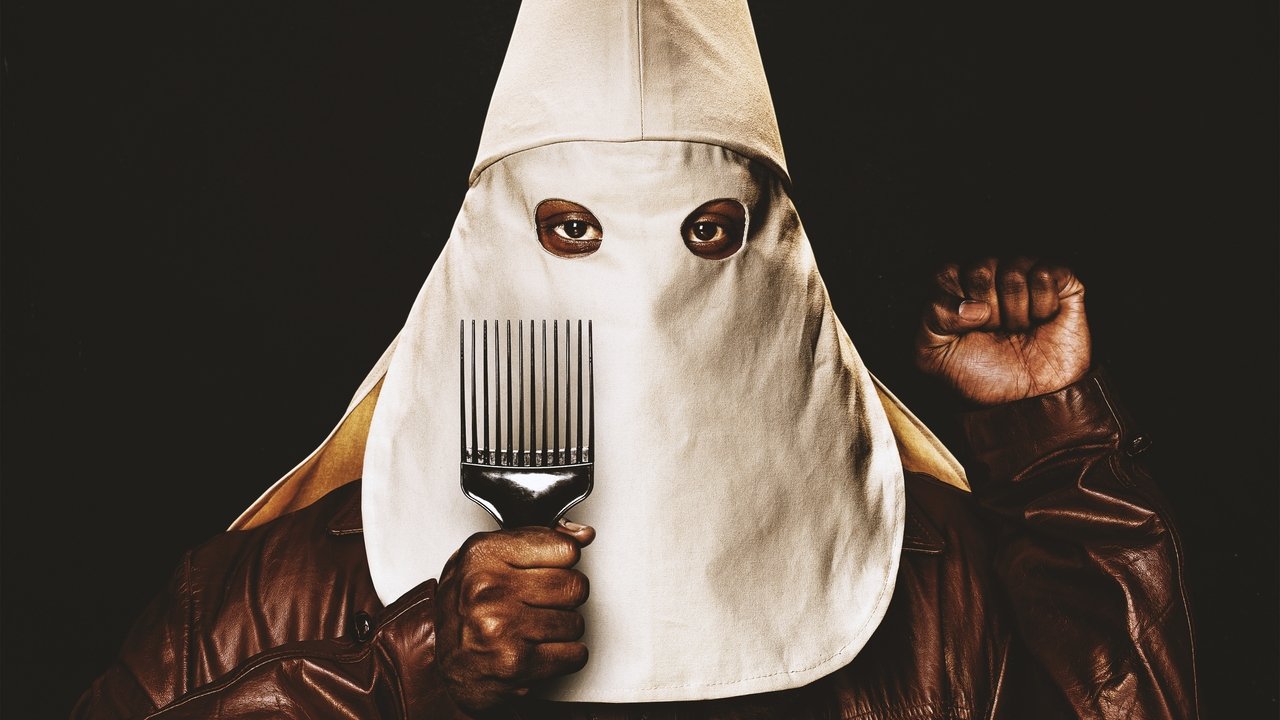
    from BlacKkKlansman

    Written by Charlie Wachtel, David Rabinowitz, Kevin Willmott, Spike Lee

    BlacKkKlansman

    Ron Stallworth proposes a dangerous undercover operation to his skeptical superiors. He challenges the Chief's racial assumptions about speech and explains how a 'Black Ron' and a 'White Ron' can work together to infiltrate the Ku Klux Klan.

    Start a free 7-day trial — 5 downloads a day, unlimited when Pro begins

    Rehearse this scene
    Rehearse on your terms

    Choose your role and voices for the other characters. Run the scene at your own pace.

    Scene PreviewExcerpt — subscribe to read full scene

    CHIEF BRIDGES

    I can't spare any Men.

    SGT. TRAPP

    I've looked over the Logs and it seems you can spare them.

    CHIEF BRIDGES

    Sgt. Trapp, Ron spoke to the Man on the phone. When they hear the Voice of one of my Guys, they'll know the difference.

    RON STALLWORTH

    Why so, Chief?

    CHIEF BRIDGES

    Want me to spell it out? He'll know the difference between how a…

    End of preview. Continue with Pro below.

    7 days freeYour next rehearsal starts here

    Found your next scene? Make it yours.

    Start your free trial and read The Black Man's Voice in full, with access to 6,000+ monologues and scenes to explore next.

    • Read the full scene and explore the library
    • Download your script in a clean, printable format
    • Take it into rehearsal with the Script Reader
    Casting Types
    Get Feedback
    Coming Soon

    Want expert coaching on this scene?

    Browse our curated list of acting coaches, dialect specialists, and more.

    Find a Coach

    Need representation?

    Browse verified agents and casting directors in our directory.

    Scene Notes & Audition Tips

    5 sections
    About This Scene

    Drawn from the Oscar and BAFTA-winning film BlacKkKlansman, co-written by Charlie Wachtel, David Rabinowitz, Kevin Willmott, and Spike Lee, this scene presents a tense procedural confrontation inside a police precinct. Detective Ron Stallworth pitches an audacious investigation to Chief Bridges and Sgt. Trapp, directly challenging his superior's narrow assumptions about language, race, and undercover work. The exchange serves as the crucial launching pad for Stallworth's operation to infiltrate the Ku Klux Klan using a split identity.

    Character Analysis

    Ron Stallworth is composed, highly intelligent, and entirely unwilling to let superiors talk down to him or speak on his behalf. He commands the room not through volume, but through intellectual clarity and absolute tactical confidence. Chief Bridges embodies institutional wariness and deeply ingrained racial bias, struggling to articulate his skepticism when challenged on the spot. Sgt. Trapp operates as the procedural mediator between them, attempting to keep the peace while remaining open to operational logistics.

    Why This Works for Auditions

    This three-person scene offers exceptional material for demonstrating status navigation, active listening, and high-stakes workplace tension. It avoids melodramatic outbursts in favor of sharp, tactical dialogue where power shifts with every exchange. For an actor playing Ron, it highlights magnetic restraint, professional pride, and sharp comedic irony under institutional pressure. For actors playing the superiors, it provides clear subtext and the challenge of portraying authority figures pushed onto the defensive.

    Best Suited For

    This piece is tailored for male performers in their 30s to 50s targeting leading man, detective, or seasoned authority figure roles. It functions brilliantly for agent showcases and multi-character self-tapes that require grounded drama with an assertive, contemporary edge. It also provides fantastic material for advanced scene study classes examining power dynamics within police procedurals.

    Performance Tips

    Anchor your energy in absolute stillness and precise vocal control rather than overt hostility. Ron wins this confrontation because he refuses to lose his poise, forcing the Chief to confront the absurdity of his own assumptions. If you are reading for Bridges or Trapp, resist playing flat resistance; lean into genuine bureaucratic caution and the uneasy realization that your subordinate is running circles around you. Maintain taut pacing during the pauses so the silence feels pregnant with unspoken tension.

    No ratings yet
    Sign in to rate
