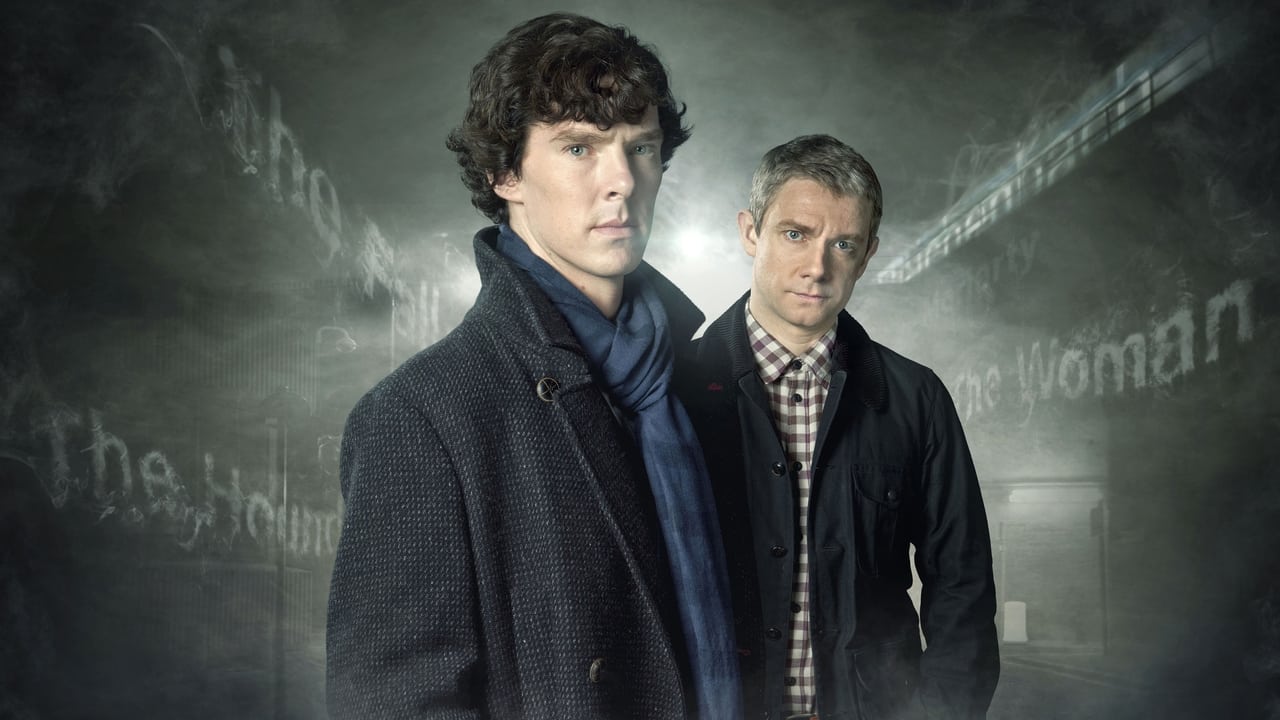
JOHN: We need bomb disposal.
SHERLOCK: I think we may be past that now.
JOHN: What do we do?
SHERLOCK: I have no idea.
JOHN: Well - Think of something!
Trapped in a tube carriage with a ticking bomb, Sherlock leads John to believe they are about to die, prompting a heartfelt emotional confession and forgiveness from John. After the timer stops, Sherlock reveals it was a ruse to hear John's true feelings, leading to a mix of fury and relief.
JOHN: We need bomb disposal.
SHERLOCK: I think we may be past that now.
JOHN: What do we do?
SHERLOCK: I have no idea.
JOHN: Well - Think of something!
Format: Duologue · Genre: Drama, Thriller, Comedy · Source: Sherlock · Author: Mark Gatiss · Characters: Sherlock, John
This duologue places two male characters, Sherlock and John, in a harrowing life-or-death situation aboard a tube carriage with a ticking bomb. The scene masterfully blends drama, thriller, and comedic elements, showcasing a nuanced character dynamic under immense stress. It culminates in a profound moment of emotional vulnerability followed by a sharp turn, revealing a manipulative truth that tests the very foundation of their friendship.
Sherlock is presented as brilliant but manipulative, using a fabricated crisis to elicit a genuine emotional response from John. His actions reveal a complex internal world where curiosity and a desire for understanding seem to outweigh conventional morality. John, on the other hand, is loyal, pragmatic, and deeply emotional, expressing genuine fear and ultimately forgiveness for Sherlock even when facing death. He embodies the "everyman" caught in Sherlock's extraordinary orbit, demonstrating courage, panic, and heartfelt compassion throughout the ordeal.
This scene is a fantastic choice for auditions because it demands a wide range of emotions and a strong sense of character development within a short timeframe. Actors can demonstrate their ability to handle intense dramatic tension, deliver comedic beats, and navigate complex interpersonal dynamics. The material offers rich opportunities for subtext and physical storytelling, making it suitable for both self-tapes and agent showcases. The power shifts and emotional rollercoaster make every moment compelling and provide ample opportunity to showcase skill.
This scene is ideally suited for male actors in their 30s to 40s who can portray a leading man, detective, doctor, everyman, or intense casting type. It works particularly well for those seeking to showcase their ability to play intelligent, complex, or emotionally resonant characters. Actors who can balance comedic timing with dramatic weight, and who are comfortable with the themes of betrayal and friendship, will find this scene a powerful vehicle for their talents.
When performing this scene, lean into the escalating tension and allow the fear and urgency to build organically. For Sherlock, focus on portraying his underlying manipulative intent while still delivering the surface-level panic; his intelligence should always be subtly evident. For John, emphasize his journey from disbelief and fear to genuine emotional confession and ultimately, the sting of betrayal. Pay close attention to the shifts in power and emotion, ensuring the comedic moments land effectively without undermining the dramatic stakes. Physicality, such as Sherlock's searching movements and John's despair, will greatly enhance the performance.