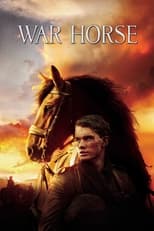
As the sounds of war draw closer, Emilie confronts her grandfather about her parents' death and accuses him of cowardice for his passivity. In response, the Grandfather offers a poignant metaphor about bravery through the story of carrier pigeons flying over the horrors of the front line.
EMILIE: Tell me what happened to them. To my mother and father. You said you would tell me how they died. On my birthday. And tomorrow’s my birthday! They died fighting, didn’t they? But when the soldiers come - you do nothing. You are a coward, aren’t you?
GRANDFATHER: Yes. Yes. It was your parents
Create a free account to explore more
Upgrade to Pro for full access — £6.99/month
Director's Notes
Want expert coaching on this scene?
Browse our curated list of acting coaches, dialect specialists, and more.
Need representation?
Browse verified agents and casting directors in our directory.
How well does this scene match you?
Save your casting profile to see match scores on every scene.
Try Headshot AnalyserGo Pro
£6.99/mo
- ✓ Unlimited scene reading
- ✓ PDF downloads
- ✓ Director's Notes
- ✓ Headshot Analyser
- ✓ Cover Letter Generator
- ✓ Practice Mode
- ✓ Agent Connect
- + 1,000+ scenes
Similar Scenes
Lester and Angela
from American Beauty
A middle-aged man and his daughter's teenage friend share a tense, intimate moment in a living room. The scene explores themes of obsession, insecurity, and the fear of being ordinary.
The Interview — Frank T.J. Mackey
from Magnolia
A high-stakes interview between a charismatic pick-up artist and a journalist turns cold when she confronts him about his fabricated past and his mother's death. Frank's bravado crumbles into a defensive silence as his carefully constructed persona is dismantled.
Mother's Disappointment, Daughter's Defiance
from Wonder Woman
Queen Hippolyte reprimands her daughter Diana for her reckless behavior and disobedience during a trial of combat. Diana argues that she is ready to face the world of men, but her mother insists she lacks the wisdom to handle the ancient dangers that once destroyed Atlantis.
Ephialtes's Betrayal
from 300
Xerxes tempts the rejected Spartan outcast Ephialtes with promises of wealth, pleasure, and status in exchange for the location of the hidden path behind the Spartan lines. Driven by a lifetime of resentment and a desire for the validation denied to him by Leonidas, Ephialtes agrees to betray his people and kneels before the Persian King.
