
Film
monologue
Comedy-Drama
Romance

The Chicken Joke

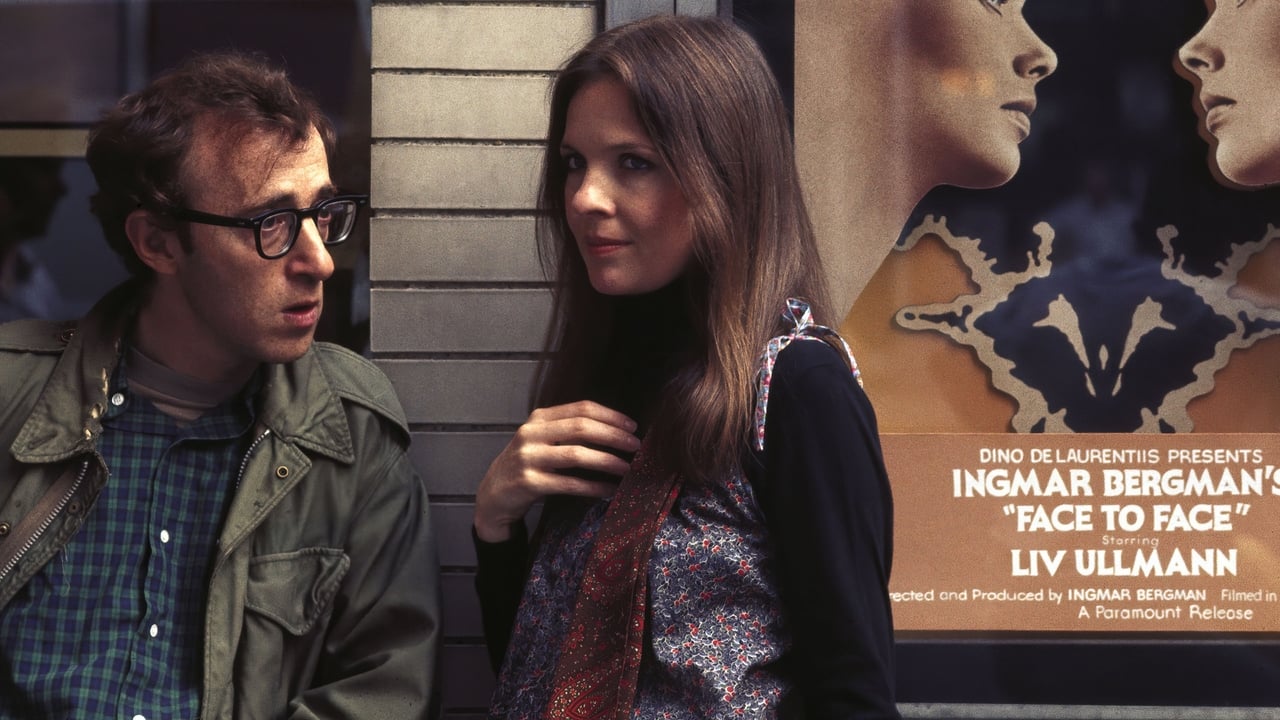
from Annie Hall

Written by Woody Allen, Marshall Brickman

Annie Hall

Alvy reflects on his final meeting with Annie, concluding that while romantic relationships are irrational and absurd, they are a human necessity.

Start a free 7-day trial — 5 downloads a day, unlimited when Pro begins

Rehearse on your terms

Take this monologue into rehearsal and work through it at your own pace.

Scene PreviewExcerpt — subscribe to read full scene

ALVY'S VOICE-OVER

After that it got pretty late. And we both hadda go, but it was great seeing Annie again, right? I realized what a terrific person she was and-and how much fun it was just knowing her and I-I thought of that old joke, you know, this- this-this guy goes to a psychiatrist and says, "Doc, uh, my brother's crazy. He thinks he's a chicken."…

End of preview. Continue with Pro below.

7 days freeYour next rehearsal starts here

Found your next scene? Make it yours.

Start your free trial and read The Chicken Joke in full, with access to 3,000+ monologues and scenes to explore next.

  • Read the full scene and explore the library
  • Download your script in a clean, printable format
  • Take it into rehearsal with the Script Reader
Casting Types
Get Feedback
Coming Soon

Want expert coaching on this scene?

Browse our curated list of acting coaches, dialect specialists, and more.

Find a Coach

Need representation?

Browse verified agents and casting directors in our directory.

Scene Notes & Audition Tips

5 sections
About This Scene

This iconic monologue from the film *Annie Hall* features Alvy's Voice-Over reflecting on a recent encounter with Annie. It's a poignant moment of introspection, where Alvy processes the bittersweet reality of their connection and the broader nature of romantic relationships. The scene encapsulates a blend of comedy and drama, exploring the complexities of human bonds through a reflective, vulnerable lens. His thoughts culminate in a well-known joke that serves as a profound, albeit humorous, metaphor for love's irrational necessity.

Character Analysis

Alvy's Voice-Over, around 40 years old, embodies the Everyman archetype with a distinct Outsider sensibility. He's intensely reflective and vulnerable, often philosophical about life's absurdities. This monologue showcases his deeply introspective nature and his tendency to intellectualize emotional experiences, even as he grapples with them. His dry wit and self-deprecating humor are hallmarks of his personality, making him relatable yet uniquely quirky. The character's struggle to reconcile the illogical nature of love with its undeniable human need is at the heart of his internal conflict.

Why This Works for Auditions

This monologue is an excellent choice for auditions because it offers a significant emotional arc within a short duration. Actors can demonstrate a wide range of nuanced emotions, from nostalgia and wistfulness to sardonic humor and profound vulnerability, all while maintaining a consistent character voice. Its modern-classic period ensures familiarity with casting directors, while the conversational tone allows for a naturalistic and engaging performance. The monologue's introspective quality also allows actors to showcase their ability to convey complex inner life and thought processes.

Best Suited For

This monologue is perfectly suited for male actors in the 35-45 age range who can embody an Intense, Vulnerable, and Quirky persona. It's ideal for those typically cast as an Everyman or an Outsider, offering a chance to display both comedic timing and dramatic depth. Given its suitability for drama school auditions, agent showcases, and self-tapes, it's a versatile piece for actors looking to present a thoughtful, nuanced performance that highlights their ability to handle complex emotional material and deliver a memorable narrative.

Performance Tips

When approaching this monologue, focus on Alvy's underlying vulnerability and the genuine reflection behind his words. While there's humor, particularly with the "chicken joke," ensure it arises naturally from his intellectualizing of emotions rather than playing for outright laughs. Pay close attention to the shifts in his thought process, allowing pauses and vocal variations to convey his introspection and the journey of his realization. Ground the performance in the specific memories of Annie and the profound impact she had, letting that personal connection inform the broader philosophical conclusion about relationships.

Explore this topic