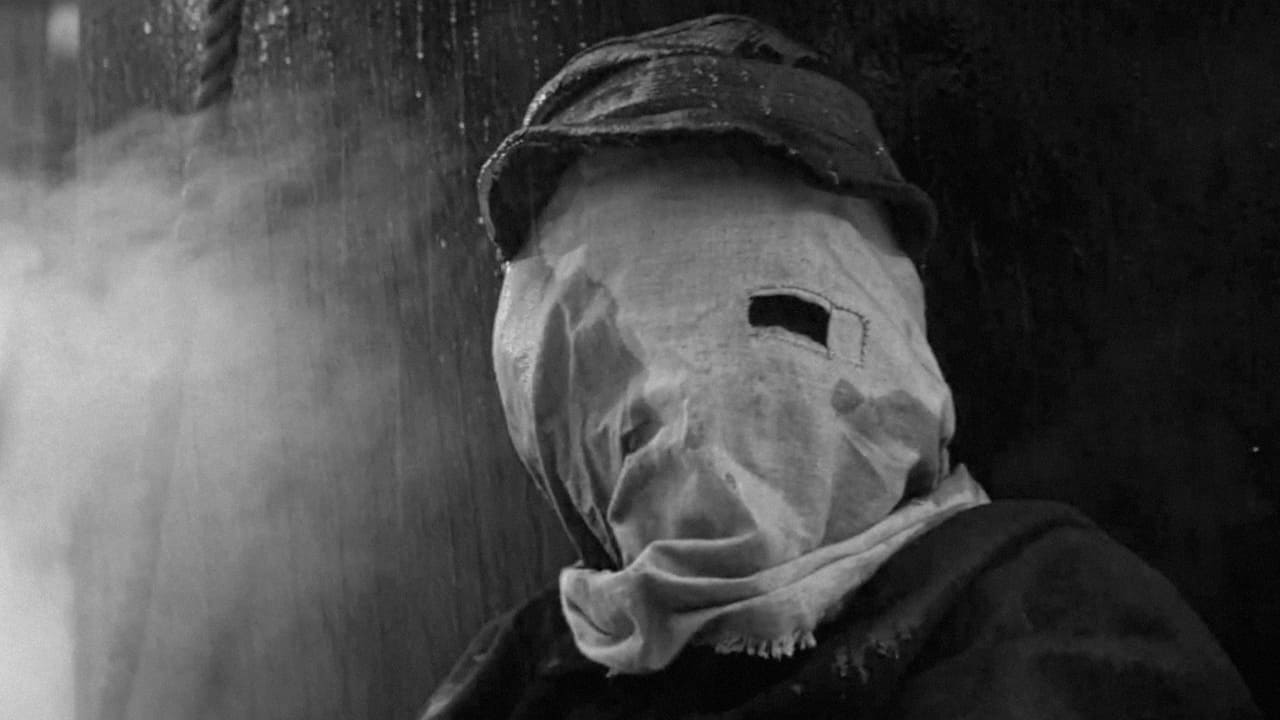
Dr. Frederick Treves confesses his moral uncertainty to his wife, Anne, regarding his patient John Merrick. He struggles with whether he is truly helping a sentient man or simply projecting intelligence onto someone to ease his own professional conscience before a high-stakes evaluation.
ANNE: Freddie? Freddie, don't look so discouraged.
TREVES: I shouldn't be. We made great progress today. I taught him to repeat a few basic phrases. He did rather well, too, but I had to lead him every step of the way. Though frankly, at times I was unsure of who was leading whom.
ANNE: What do you mean?
TREVES: Well, I wasn't sure whether he was parroting me…
About This Scene
This duologue from The Elephant Man offers a deeply reflective and troubled conversation between Dr. Frederick Treves and his wife, Anne. Set in their bedroom at night, Treves confides in Anne about his profound moral uncertainty regarding his patient, John Merrick. The scene explores themes of medical ethics, intellectual projection, and the heavy weight of professional conscience.
Character Analysis
Treves is presented here as an intellectually curious and morally burdened individual, grappling with the true nature of his patient's consciousness. He is a 'Doctor' and 'Authority Figure' who reveals a more 'Vulnerable' side, torn between his professional duty and a nagging personal doubt. Anne acts as a supportive, perceptive 'Leading Lady', initially offering affectionate comfort but quickly becoming an active intellectual partner, prompting him to articulate his internal struggle. She embodies the 'Leading Lady' archetype by her active listening and insightful, if somewhat challenging, questions.
Why This Works for Auditions
This scene is excellent for auditions because it showcases strong emotional subtext and intellectual engagement, requiring actors to convey depth of thought and internal conflict. The reflective and philosophical tone allows for nuanced performances, demonstrating an actor's ability to handle complex dialogue and character development. It is a duologue that demands genuine connection and active listening, highlighting chemistry and dynamic interplay between actors.
Best Suited For
This piece is particularly well-suited for actors in the 30s-50s age range searching for 'drama-school-audition' material or 'agent-showcase' pieces. It’s ideal for those who can portray a 'Doctor' or 'Leading Man' grappling with moral complexities, and for a 'Leading Lady' who can embody both warmth and analytical thinking. The contemporary setting, despite the Victorian context, makes it accessible yet distinctive.
Performance Tips
Actors should focus on the subtextual layers of Treves’s dilemma, allowing his internal conflict and intellectual struggle to inform his delivery rather than simply stating his concerns. For Anne, active listening and empathetic responses are key; she should show she is truly processing his words and engaging with his intellectual and emotional turmoil. Pay close attention to the rhythm of the dialogue, allowing for moments of thought and reflection to underscore the philosophical nature of their conversation.