Film
group
Romantic Comedy, Historical Drama

The Queen's Wager

from Shakespeare in Love

Written by Marc Norman, Tom Stoppard

Shakespeare in Love

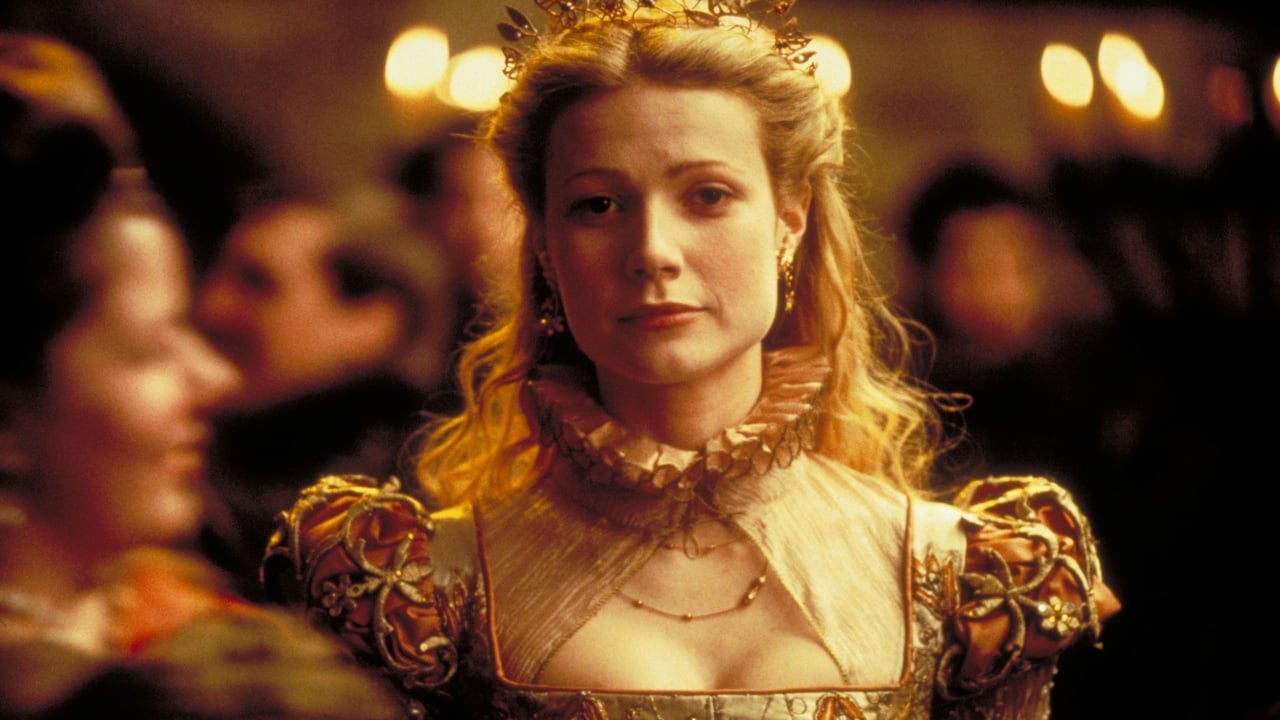
During a royal gala, Viola is summoned by Queen Elizabeth, leading to a public debate about whether the theater can capture the true nature of love. Will Shakespeare impulsively enters a fifty-pound wager against Lord Wessex, while the Queen privately warns Wessex that Viola has already given her heart to another.

Start a free 7-day trial — 5 downloads a day, unlimited when Pro begins

Rehearse this scene
Rehearse on your terms

Choose your role and voices for the other characters. Run the scene at your own pace.

Scene PreviewExcerpt — subscribe to read full scene

VIOLA

Your Majesty.

QUEEN

Stand up straight, girl. I have seen you. You are the one who comes to all the plays—at Whitehall, at Richmond. What do you love so much?

VIOLA

Your Majesty . . .

QUEEN

Speak out! I know who I am. Do you love stories of kings and queens? Feats of arms? Or is it courtly love?

VIOLA

I love theatre. To have stories acted for me…

End of preview. Continue with Pro below.

7 days freeYour next rehearsal starts here

Found your next scene? Make it yours.

Start your free trial and read The Queen's Wager in full, with access to 1,000+ monologues and scenes to explore next.

  • Read the full scene and explore the library
  • Download your script in a clean, printable format
  • Take it into rehearsal with the Script Reader
Casting Types
Get Feedback
Coming Soon

Want expert coaching on this scene?

Browse our curated list of acting coaches, dialect specialists, and more.

Find a Coach

Need representation?

Browse verified agents and casting directors in our directory.

Scene Notes & Audition Tips

5 sections
About This Scene

This engaging scene, set during a grand royal gala, offers rich dramatic and comedic opportunities for four distinct characters. It skillfully intertwines elements of romantic comedy and historical drama, providing a glimpse into the social dynamics and theatrical fervor of the period. The dialogue navigates witty exchanges and moments of high tension, all while maintaining a regal atmosphere.

Character Analysis

Viola, in her 20s, embodies the ingenue, displaying both intelligence and an ardent passion for theatre that sets her apart. Queen Elizabeth, a commanding authority figure in her 60s, exudes regal power and sharp wit, challenging conventions with her direct questions. Lord Wessex, a sophisticated villain in his 40s-50s, is cunning and possessive, driven by status and a thinly veiled insecurity. Will, the leading man in his 30s-40s, is impulsive and charming, representing the burgeoning artistic spirit of the time.

Why This Works for Auditions

"The Queen's Wager" is an excellent choice for auditions due to its multi-character dynamic and varied emotional landscape. The scene allows actors to showcase their ability to handle quick, witty dialogue alongside moments of significant dramatic weight, demonstrating versatility. Its historical setting provides a chance to embody a specific period style, while the contemporary tone ensures the emotions remain relatable and impactful for a modern audience.

Best Suited For

This group scene is particularly well-suited for actors looking to demonstrate their range in either romantic comedy or historical drama. It offers strong material for performers casting as an authority figure, ingenue, leading man, or sophisticated antagonist. The varied age ranges also make it ideal for workshops or classes where ensemble work and character interaction are key focuses.

Performance Tips

Actors should focus on the distinct power dynamics present in each interaction, particularly between Viola and the Queen, and Will and Wessex. Pay close attention to the subtext, as much of the tension and wit is conveyed through unspoken intentions and subtle reactions. For the period elements, ensure that vocal delivery and physical presence reflect the regal and formal setting, without sacrificing genuine emotional connection to the dialogue.

Explore this topic