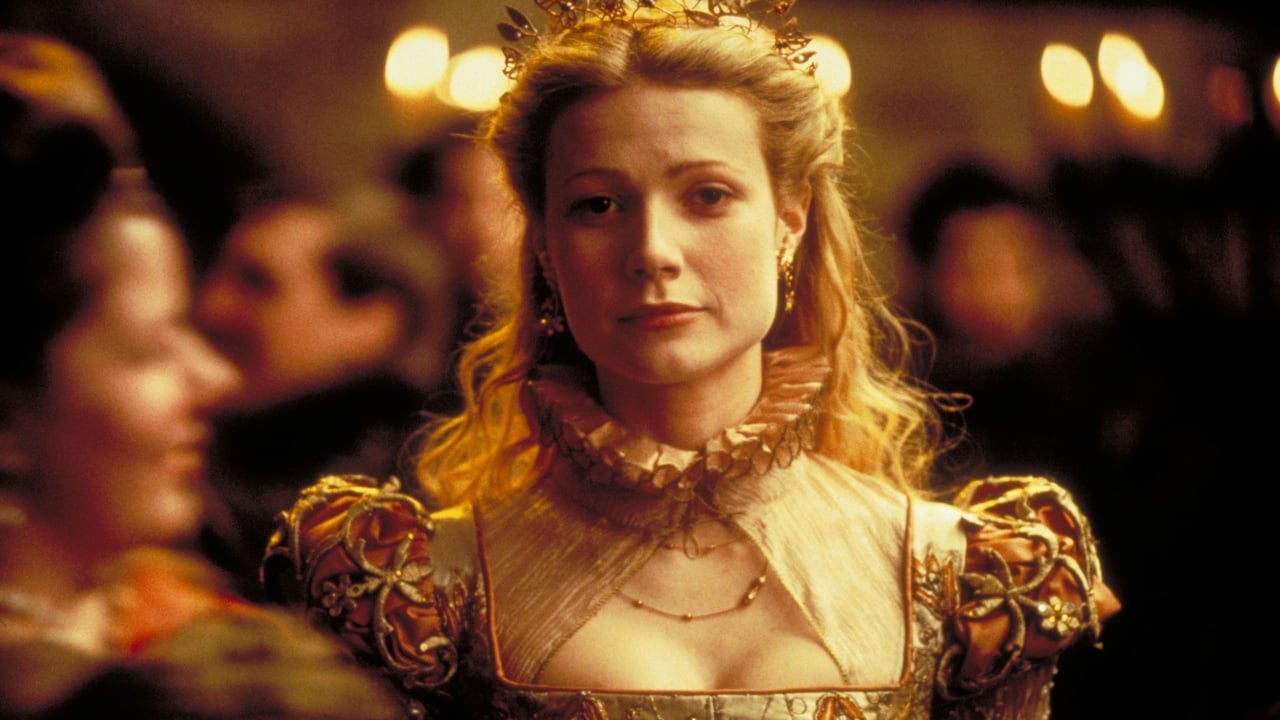
Will Shakespeare pitches the tragic conclusion of his new play to his skeptical but intrigued acting company. As he describes the double suicide of the star-crossed lovers, he shares an intense, unspoken moment of connection with Viola, who is disguised as a male actor.
WILL: . . . For killing Juliet's kinsman Tybalt, the one who killed Romeo's friend Mercutio, Romeo is banished . . . but the Friar who married Romeo and Juliet—
ACTOR (EDWARD): Is that me. Will?
WILL: You, Edward. The Friar who married them gives Juliet a potion to drink. It is a secret potion. It makes her seeming dead. She is placed in the tomb of the…
FENNY…
About This Scene
This compelling group scene, "The Truth of Love and Death," originates from the Academy Award-winning film Shakespeare in Love. It dramatically illustrates a pivotal moment in the creative process as William Shakespeare unveils the tragic climax of his new play to a varied group of theatrical collaborators. The intensity of the narrative is heightened by Shakespeare’s unspoken connection with Viola, who is present in disguise, adding a layer of poignant subtext to his powerful storytelling.
Character Analysis
Will Shakespeare is presented here as deeply passionate and visionary, almost possessed by the story he is weaving. His intensity and focus underscore his genius, yet there's a vulnerability in how he allows his gaze to linger on Viola, suggesting that the wellspring of his inspiration is intimately tied to his personal experiences and emotions. Henslowe and Fennyman, on the other hand, represent the more pragmatic, business-minded aspects of theatre production, balancing their awe with considerations of audience reaction and practicalities like costuming. Alleyn, as an experienced actor, offers a more artistic, albeit critical, perspective on the play's structure.
Why This Works for Auditions
This scene is a fantastic choice for auditions due to its multi-layered dramatic potential and the opportunity it provides for several actors to showcase their abilities simultaneously. It allows for a range of emotional expression, from Will's fervent storytelling and unspoken longing to the company's reactions of awe, apprehension, and practical concern. The group dynamic offers a realistic, interactive audition experience, demonstrating an actor's ability to listen, react, and contribute to a shared scene rather than delivering a monologue in isolation.
Best Suited For
This scene is ideally suited for male actors in their 20s to 30s who can portray a blend of intensity, charisma, and intellectual depth. It is particularly effective for those aiming for leading man roles, given Will's commanding presence, but also works well for character actors looking to embody specific archetypes like a pragmatic business executive (Henslowe/Fennyman) or a discerning authority figure (Alleyn). The rich, historical context and dramatic tone make it perfect for actors comfortable with heightened language and emotional gravitas.
Performance Tips
When performing this scene, Will should focus on the internal journey and the profound connection he feels to the story and, by extension, to Viola. Allow the passion for his words to drive his delivery, but ensure that his gaze at Viola communicates a deeper, unspoken narrative. For the surrounding characters like Henslowe, Fennyman, and Alleyn, focus on precise, distinct reactions that clearly differentiate their personalities and roles within the company. Remember that even their murmurs and interjections contribute significantly to the scene's dynamic, so make each reaction specific and intentional.