Film
duologue
Drama

The Reconciliation

from Raging Bull

Written by Paul Schrader, Mardik Martin

Raging Bull

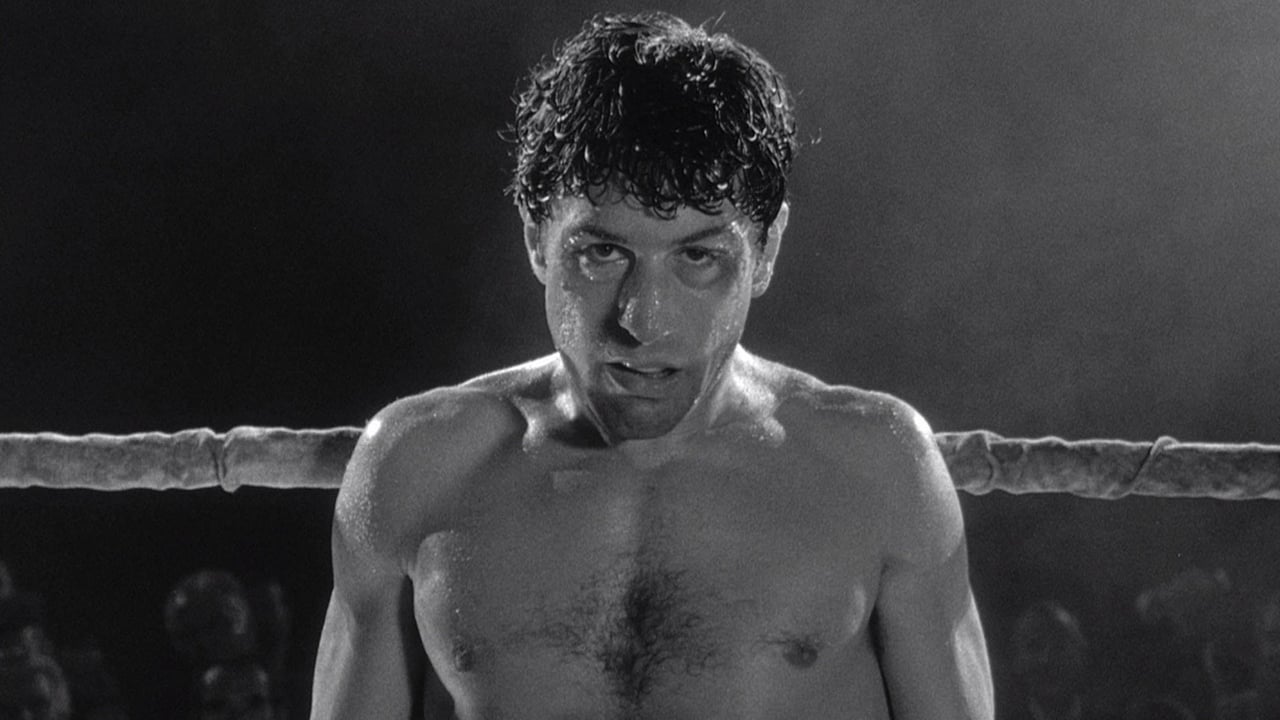
After a long period of estrangement and violence, Jake LaMotta attempts to reconcile with his brother Joey outside a parking lot. Jake's desperate need for forgiveness manifests in a disturbing plea for Joey to physically beat him, leading to a raw and emotional breakdown between the two men.

Start a free 7-day trial — 5 downloads a day, unlimited when Pro begins

Rehearse this scene
Rehearse on your terms

Choose your role and voices for the other characters. Run the scene at your own pace.

Scene PreviewExcerpt — subscribe to read full scene

JAKE

Look, sweetie, be a good girl. Here's some money. Take a cab. Go home by yourself. Just wanna walk around a little, sort of unwind. OK?

EMMA

Will I see you later?

JAKE

Yeah. I dunno ... I'll call you.

JAKE

Hey, Joey --

JAKE

No, Joey, no. Look, wait a minute, please --

End of preview. Continue with Pro below.

7 days freeYour next rehearsal starts here

Found your next scene? Make it yours.

Start your free trial and read The Reconciliation in full, with access to 3,000+ monologues and scenes to explore next.

  • Read the full scene and explore the library
  • Download your script in a clean, printable format
  • Take it into rehearsal with the Script Reader
Casting Types
Get Feedback
Coming Soon

Want expert coaching on this scene?

Browse our curated list of acting coaches, dialect specialists, and more.

Find a Coach

Need representation?

Browse verified agents and casting directors in our directory.

Scene Notes & Audition Tips

5 sections
About This Scene

This powerful duologue, "The Reconciliation" from the film *Raging Bull*, captures a raw and cathartic moment between brothers Jake and Joey LaMotta after a long period of intense estrangement. Set in a parking lot at night, the scene depicts Jake's desperate attempt to seek forgiveness from Joey, culminating in a deeply disturbing and emotional confrontation. It explores themes of guilt, brotherhood, and the complex nature of forgiveness, showcasing a relationship pushed to its absolute limits.

Character Analysis

Jake is presented here as vulnerable, regretful, and desperate, a stark contrast to his often violent and aggressive public persona. His plea for reconciliation stems from a deep-seated guilt and a profound need for his brother's acceptance, even if it means physical punishment. Joey, on the other hand, carries the weight of past hurts and betrayal, initially appearing hardened and unwilling to engage. His actions reveal a man deeply scarred by his brother's behavior, struggling between resentment and the lingering ties of family.

Why This Works for Auditions

This scene offers exceptional material for auditions due to its intense emotional arc and the clear, defined shifts in character objectives. The escalating tension and the raw, uninhibited emotional displays allow actors to showcase a wide range of vulnerability, anger, and desperation without relying on extensive physicality. It’s a masterclass in subtext and unspoken history, providing a rich canvas for nuanced and powerful performances that leave a lasting impression.

Best Suited For

"The Reconciliation" is ideally suited for male actors in their 30s-40s who can embody complex, gritty, and vulnerable anti-hero types. It's a prime choice for drama school auditions, agent showcases, and self-tapes where demonstrating deep emotional range and an ability to navigate intense interpersonal conflict is paramount. This duologue particularly benefits those looking to portray characters grappling with internal demons and the consequences of past actions.

Performance Tips

When approaching this scene, focus on the deep-seated history and unspoken pain between the brothers, allowing it to inform every line and movement. For Jake, lean into his profound sense of regret and his desperate need for atonement, letting his vulnerability manifest in his persistence and almost masochistic plea. For Joey, convey the layers of hurt and resentment that have built up over time, allowing his eventual outburst to feel earned and cathartic. Remember that the "violence" in this scene is less about physical prowess and more about the emotional eruption and the breaking of barriers.

Explore this topic