
Skip to content
    Film
    duologue
    Drama
    Romance

    The Therapy Exercise

    from Is This Thing On?

    Written by Bradley Cooper & Will Arnett & Mark Chappell

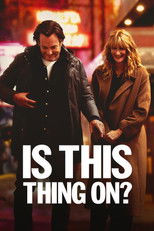
    Is This Thing On?

    3 min · 2 characters · Any gender · 35-45 (also 45-55)

    Alex and Tess confront the deep-seated resentment and loneliness that led to their separation while debating the true meaning of a relationship.

    Start a free 7-day trial — 5 downloads a day, unlimited when Pro begins

    Rehearse this scene
    Rehearse on your terms

    Choose your role and voices for the other characters. Run the scene at your own pace.

    Scene PreviewExcerpt — subscribe to read full scene

    ALEX

    The house is busy tonight.

    TESS

    Did anybody see you come up?

    ALEX

    Everyone is kind of in their own world. I was watching this video about a therapist talking to couples. Had them, as a healthy exercise, ask each other what they don’t like about each other.

    TESS

    That you slept with somebody for starters.

    ALEX

    Well I only did because I thought you…

    End of preview. Continue with Pro below.

    7 days freeYour next rehearsal starts here

    Found your next scene? Make it yours.

    Start your free trial and read The Therapy Exercise in full, with access to 7,500+ monologues and scenes to explore next.

    • Read the full scene and explore the library
    • Download your script in a clean, printable format
    • Take it into rehearsal with the Script Reader
    Casting Types
    Get Feedback
    Coming Soon

    Want expert coaching on this scene?

    Browse our curated list of acting coaches, dialect specialists, and more.

    Find a Coach

    Need representation?

    Browse verified agents and casting directors in our directory.

    Scene Notes & Audition Tips

    5 sections
    About This Scene

    Written by Bradley Cooper, Will Arnett, and Mark Chappell, this contemporary dramatic duologue from the film Is This Thing On? captures an intimate, high-stakes confrontation between estranged partners. Tucked away while a busy house moves around them, Alex and Tess use the premise of a relationship therapy exercise to unpack the painful realities of their separation, unfaithfulness, and emotional estrangement. The interaction delves into the deep-seated resentment and loneliness that drove them apart, providing a raw examination of a modern marital crisis.

    Character Analysis

    Alex is a defensive yet deeply wounded partner wrestling with guilt, loneliness, and the lingering sting of past emotional distance within the relationship. Tess is articulate, exhausted, and fiercely perceptive, confronting Alex with years of bottled-up frustration while acknowledging her own deep embarrassment and shifting affection. Both roles demand an ability to balance personal vulnerability with sharp, protective barriers developed over years of shared domestic history.

    Why This Works for Auditions

    This scene provides exceptional material for actors because it thrives on dynamic emotional shifts rather than one-note anger. The dialogue features a natural, sharp cadence that forces both performers to listen intently, process painful admissions in real time, and negotiate high relational stakes within a compressed timeframe. Industry professionals get an immediate look at a performer's emotional maturity, capacity for subtext, and ability to handle intense, layered dramatic dialogue.

    Best Suited For

    The piece is best suited for actors in their thirties to forties targeting leading, everyman, or emotionally intense casting categories. Because of its grounded contemporary tone and tight two-person focus, it functions wonderfully for drama school auditions, professional agent showcases, self-tapes, and partner scene study.

    Performance Tips

    Avoid approaching this discussion as an overt shouting match, as the physical reality of hiding away in an occupied house demands a contained vocal energy that heightens the tension. Play the rich history of affection and mutual disappointment that underlies every grievance rather than playing only the surface conflict. Pay special attention to the moments where defensive retorts give way to quiet, devastating vulnerability, letting each realization genuinely land before pushing forward.

    No ratings yet
    Sign in to rate
