Film
duologue
Drama

The Weight of Loss

from Train Dreams

Written by Denis Johnson

Train Dreams

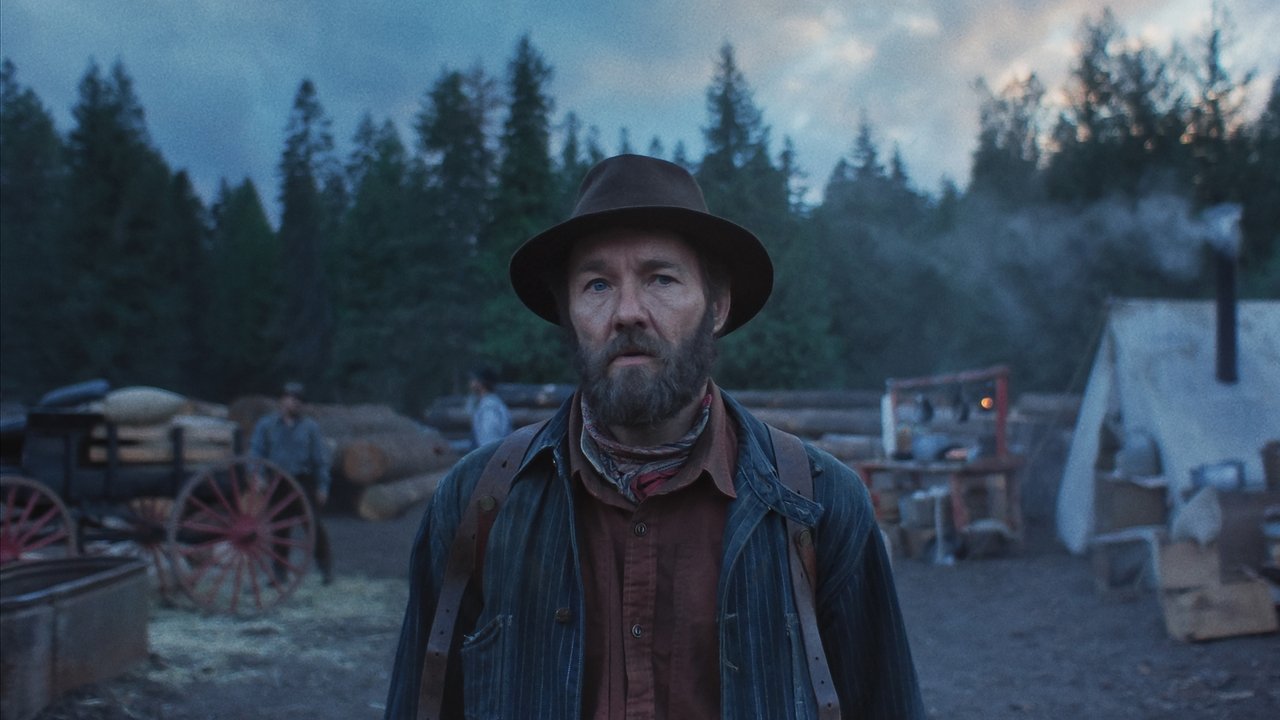
Robert Grainier visits Claire at her remote fire lookout tower where they bond over their shared experiences of profound grief. Grainier confesses the haunting guilt of losing his wife and child in a forest fire, while Claire offers a philosophical perspective on loss and their shared identity as 'hermits' in the wilderness.

Start a free 7-day trial — 5 downloads a day, unlimited when Pro begins

Rehearse this scene
Rehearse on your terms

Choose your role and voices for the other characters. Run the scene at your own pace.

Scene PreviewExcerpt — subscribe to read full scene

GRAINIER

It doesn't get spooky up this high?

CLAIRE

No, I think it's peaceful. I watch the clouds form and the light change. And I get paid to do it. It's a gift.

GRAINIER

Everything down there seems so small. You can barely tell that fire swept through here. Like it didn't even happen.

CLAIRE

Were you here when it came through?

GRAINIER

I wasn't. My…

End of preview. Continue with Pro below.

7 days freeYour next rehearsal starts here

Found your next scene? Make it yours.

Start your free trial and read The Weight of Loss in full, with access to 1,000+ monologues and scenes to explore next.

  • Read the full scene and explore the library
  • Download your script in a clean, printable format
  • Take it into rehearsal with the Script Reader
Casting Types
Get Feedback
Coming Soon

Want expert coaching on this scene?

Browse our curated list of acting coaches, dialect specialists, and more.

Find a Coach

Need representation?

Browse verified agents and casting directors in our directory.

Scene Notes & Audition Tips

5 sections
About This Scene

This poignant duologue, "The Weight of Loss," extracted from the film *Train Dreams*, offers a rich exploration of profound grief and unexpected connection. Set in a remote fire lookout tower, the scene brings together Grainier and Claire, two individuals bonded by their shared experiences of sorrow and isolation in the vast wilderness. It masterfully builds a vulnerable atmosphere as Grainier opens up about the haunting guilt of a past tragedy, while Claire provides a unique philosophical perspective on their shared humanity.

Character Analysis

Grainier is presented as a complex character grappling with immense guilt and the enduring pain of losing his wife and child in a forest fire. He carries the weight of this loss deeply, suggesting an internal struggle that has likely isolated him. Claire, while also experiencing profound grief, embodies a more reflective and philosophical approach to her solitude, finding peace and purpose in her remote existence. Both characters, despite their differing outward expressions, share an underlying vulnerability and a sense of being outsiders.

Why This Works for Auditions

"The Weight of Loss" is an excellent choice for auditions due to its raw emotional depth and the opportunity it provides for nuanced acting. The scene allows actors to showcase their ability to convey internal turmoil, vulnerability, and the intricate process of confession and empathy. Its duologue format ensures both characters have significant moments to shine, making it suitable for practicing active listening and genuine connection with a scene partner.

Best Suited For

This scene is ideally suited for actors in the 35-45 age range looking for contemporary drama material. It particularly resonates with those who can portray vulnerable, intense, or working-class types, as well as individuals with an "Everyman" or "Outsider" quality. It is a strong piece for drama school auditions, self-tapes, or general practice, where the exploration of grief, isolation, and quiet healing is key.

Performance Tips

When performing this scene, focus on the subtext of both characters' dialogue. For Grainier, let his guilt and sorrow be an undercurrent to his every word, even when discussing seemingly mundane details. For Claire, embody her philosophical calmness, allowing her empathy to be a gentle, grounding force rather than an overt display. Pay close attention to the pacing, allowing moments of silence to breathe and convey the weight of their unspoken experiences, fostering a genuine, vulnerable connection with your scene partner.

Explore this topic