
Film
duologue
Comedy-Drama

The Key Mix-Up

from The Apartment

Written by Billy Wilder, I.A.L. Diamond

The Apartment

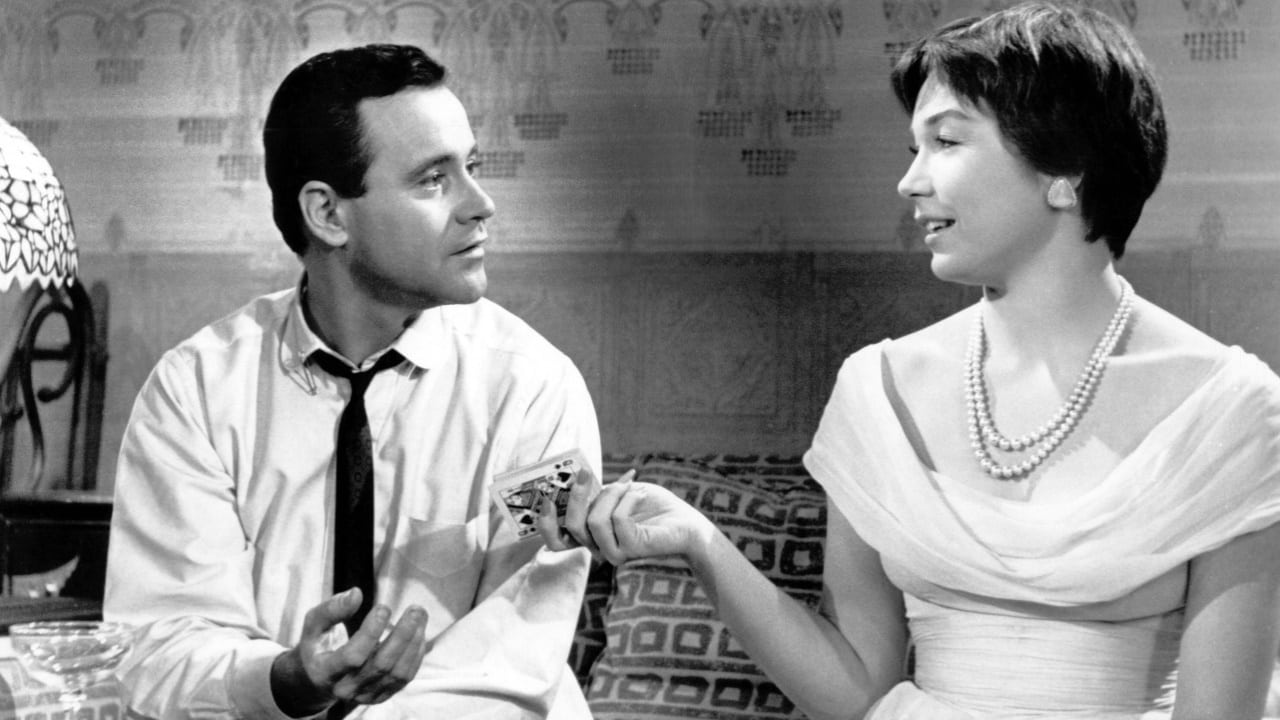
Bud Baxter calls his boss, Dobisch, to complain about a mix-up with his apartment key, which Dobisch borrowed. Dobisch, preoccupied with his own affairs, casually admits to the mistake while dangling a potential promotion for Bud.

Start a free 7-day trial — 5 downloads a day, unlimited when Pro begins

Rehearse this scene
Rehearse on your terms

Choose your role and voices for the other characters. Run the scene at your own pace.

Scene PreviewExcerpt — subscribe to read full scene

BUD

Hello, Mr. Dobisch? This is Baxter, on the nineteenth floor.

DOBISCH

Oh, Buddy-boy. I was just about to call you. I'm sorry about that mess on the living room wall. You see, my little friend, she kept insisting Picasso was a bum -- so she started to do that mural -- but I'm sure it will wash off -- just eyebrow pencil.

BUD

It's not Picasso I'm…

End of preview. Continue with Pro below.

7 days freeYour next rehearsal starts here

Found your next scene? Make it yours.

Start your free trial and read The Key Mix-Up in full, with access to 1,000+ monologues and scenes to explore next.

  • Read the full scene and explore the library
  • Download your script in a clean, printable format
  • Take it into rehearsal with the Script Reader
Casting Types
Get Feedback
Coming Soon

Want expert coaching on this scene?

Browse our curated list of acting coaches, dialect specialists, and more.

Find a Coach

Need representation?

Browse verified agents and casting directors in our directory.

Scene Notes & Audition Tips

5 sections
About This Scene

This comedic duologue, "The Key Mix-Up," offers a brilliant two-minute snapshot of workplace power dynamics and veiled opportunism. The scene features BUD, a young professional seeking resolution for a personal inconvenience, and his boss, DOBISCH, a self-absorbed executive who casually uses professional advancements as leverage. It's a cleverly written piece that balances humor with the subtle frustrations of navigating professional hierarchical structures.

Character Analysis

BUD is presented as an Everyman caught in a less-than-ideal situation, highlighting his mild-mannered yet persistent nature as he attempts to address a personal boundary violation. DOBISCH, on the other hand, embodies the Business Executive casting type, demonstrating a self-serving disregard for others' inconveniences while skillfully manipulating situations to his advantage. His character also carries elements of Comic Relief, as his oblivious responses create much of the scene's humor.

Why This Works for Auditions

This duologue is an excellent choice for auditions due to its clear comedic tone and the distinct character arcs presented within a short timeframe. The scenario allows actors to showcase their ability to play both exasperation and cautious optimism, navigating the subtle shifts in power. Its compact duration, around two minutes, makes it ideal for self-tapes where conciseness is often preferred, allowing casting directors to quickly assess an actor's range.

Best Suited For

This scene is particularly well-suited for male actors in the 25-35 age range, aligning perfectly with the Young Professional and Everyman casting types. Actors looking to demonstrate their comedic timing, ability to play subtext, and skill in portraying characters within a corporate setting will find this piece highly effective. It's a strong fit for general practice, helping actors hone their reactions and line delivery in a relatable professional context.

Performance Tips

When performing BUD, focus on the underlying frustration and his calculated politeness, especially when Dobisch dangles the promotion. His reactions should convey a blend of annoyance and careful ambition. For DOBISCH, lean into the casual self-absorption and the effortless way he uses Bud's career aspirations as a distraction. Emphasize his lack of genuine concern for Bud's predicament, making his promotion offer sound almost like an afterthought, despite its strategic intent.

Explore this topic