
Skip to content
    Film
    duologue
    Comedy-Drama

    The Morning Routine

    from Thelma & Louise

    Written by Callie Khouri

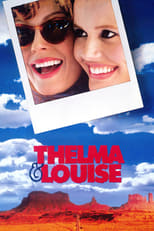
    Thelma & Louise

    Thelma attempts to navigate her husband Darryl's abrasive personality while secretly planning a weekend getaway. The scene highlights their dysfunctional dynamic and Darryl's dismissive attitude toward his wife.

    Start a free 7-day trial — 5 downloads a day, unlimited when Pro begins

    Rehearse this scene
    Rehearse on your terms

    Choose your role and voices for the other characters. Run the scene at your own pace.

    Scene PreviewExcerpt — subscribe to read full scene

    THELMA

    You want anything special for dinner?

    DARRYL

    No, Thelma, I don't give a shit what we have for dinner. I may not even make it home for dinner. You know how Fridays are.

    THELMA

    Funny how so many people wanna buy carpet on a Friday night. You'd almost think they'd want to forget about it for the weekend.

    DARRYL

    Well then, it's a good thing you're…

    End of preview. Continue with Pro below.

    7 days freeYour next rehearsal starts here

    Found your next scene? Make it yours.

    Start your free trial and read The Morning Routine in full, with access to 5,500+ monologues and scenes to explore next.

    • Read the full scene and explore the library
    • Download your script in a clean, printable format
    • Take it into rehearsal with the Script Reader
    Casting Types
    Get Feedback
    Coming Soon

    Want expert coaching on this scene?

    Browse our curated list of acting coaches, dialect specialists, and more.

    Find a Coach

    Need representation?

    Browse verified agents and casting directors in our directory.

    Scene Notes & Audition Tips

    5 sections
    About This Scene

    This duologue, titled "The Morning Routine" from the acclaimed film *Thelma & Louise*, offers a concise yet potent glimpse into a highly dysfunctional marriage. It features Thelma attempting to subtly maneuver around her husband Darryl's dismissive and arrogant demeanor, all while holding a significant secret. The scene beautifully encapsulates their imbalanced power dynamic and foreshadows the larger narrative of Thelma's burgeoning independence.

    Character Analysis

    Thelma, in this scene, presents as a woman deeply accustomed to walking on eggshells around her husband. She is outwardly subservient, carefully phrasing her questions to avoid conflict, yet beneath this veneer, there is a clear flicker of resistance and a burgeoning sense of agency as she secretly plans her escape. Darryl, on the other hand, is outwardly arrogant and self-important, completely oblivious to his wife's inner world and treating her with utter disdain. He embodies a caricature of a demanding and unappreciative spouse, highlighting his lack of respect and empathy for Thelma.

    Why This Works for Auditions

    This scene is highly effective for auditions due to its compact nature and rich subtext. It allows actors in the 25-35 age range to showcase a complex emotional journey for Thelma, balancing vulnerability with a burgeoning defiance, or for Darryl, to portray an unlikable yet compelling character with a clear power imbalance. The comedic-drama genre provides ample opportunity for nuanced performance, allowing actors to demonstrate their ability to navigate both subtle humor and underlying tension within a short timeframe.

    Best Suited For

    This scene is particularly well-suited for actors aiming for "Leading Lady" or "Character Actor" roles, especially those with a "Vulnerable" casting type. It's excellent for a self-tape audition as it clearly defines character archetypes and allows for strong, contrasting performances. This duologue is also ideal for agent showcases, providing a clear demonstration of an actor's ability to embody complex interpersonal dynamics and deliver a memorable performance within a limited time frame.

    Performance Tips

    For Thelma, focus on the internal struggle between her ingrained subservience and her quiet defiance. Let the audience see the wheels turning in her mind as she calculates her responses and maintains her secret. Her vulnerability should stem from her emotional suppression, not weakness. For Darryl, embrace his arrogance and dismissiveness without becoming a caricature; find the underlying sense of entitlement that drives his cutting remarks. Pay close attention to pacing and reaction; the silences and unsaid words are as important as the dialogue in conveying the scene's emotional weight.

    No ratings yet
    Sign in to rate