
Film
duologue
Western, Drama

The Price of Survival

from The Revenant

Written by Mark Smith, Alejandro G Inarritu

The Revenant

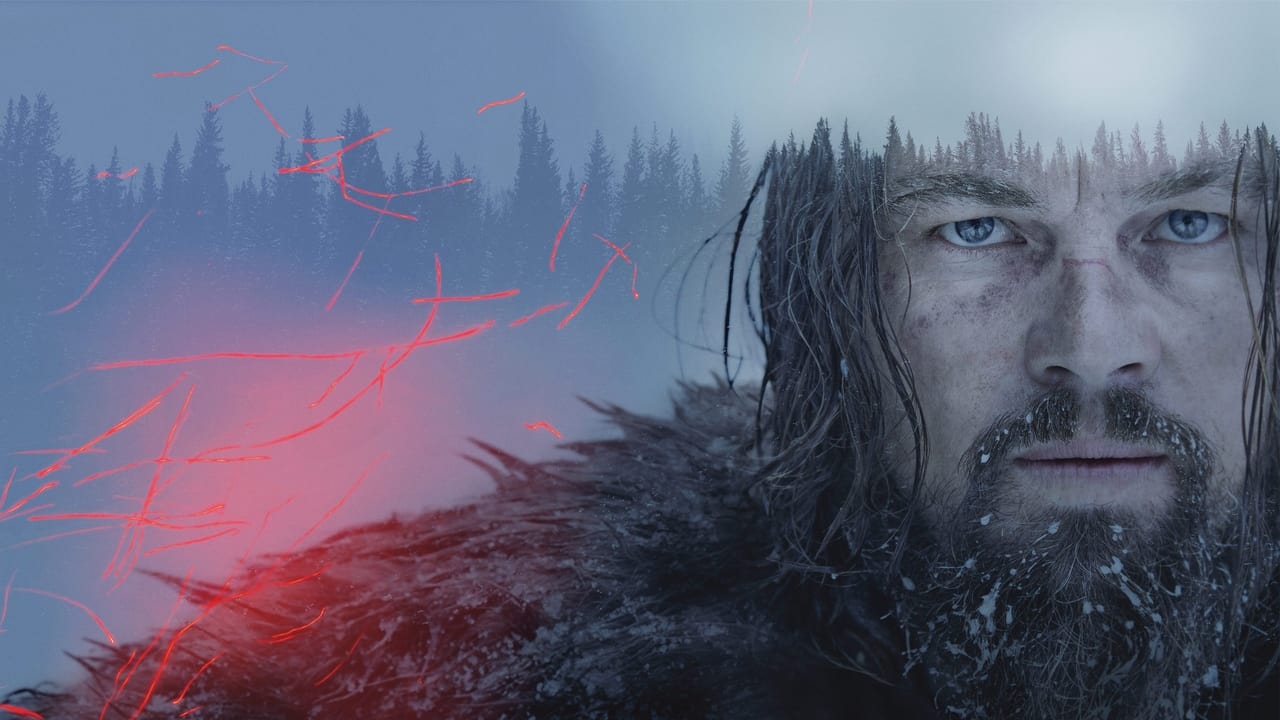
Fitzgerald attempts to justify the abandonment of Glass and the murder of Hawk to a guilt-ridden Bridger. As they struggle to survive in the wilderness, Fitzgerald uses intimidation and cold logic to ensure Bridger's silence regarding their actions.

Start a free 7-day trial — 5 downloads a day, unlimited when Pro begins

Rehearse this scene
Rehearse on your terms

Choose your role and voices for the other characters. Run the scene at your own pace.

Scene PreviewExcerpt — subscribe to read full scene

FITZGERALD

Eat something.

BRIDGER

Huh?

FITZGERALD

Take it. Need your strength. We’re a few days off the fort and this could be the last meal you get til we’re there. Eat.

BRIDGER

Don’t think I can. Just don’t got the taste for it.

FITZGERALD

Eat. Listen, I know you’re feelin’ bad on account of us leavin’ Hawk and Glass behind. I do too. I Feel rotten.

End of preview. Continue with Pro below.

7 days freeYour next rehearsal starts here

Found your next scene? Make it yours.

Start your free trial and read The Price of Survival in full, with access to 3,000+ monologues and scenes to explore next.

  • Read the full scene and explore the library
  • Download your script in a clean, printable format
  • Take it into rehearsal with the Script Reader
Casting Types
Get Feedback
Coming Soon

Want expert coaching on this scene?

Browse our curated list of acting coaches, dialect specialists, and more.

Find a Coach

Need representation?

Browse verified agents and casting directors in our directory.

Scene Notes & Audition Tips

5 sections
About This Scene

This intense duologue from *The Revenant* captures a moment of raw psychological manipulation between two men struggling in the harsh wilderness. Fitzgerald, having committed a heinous act, attempts to assuage the guilt of a younger, more morally conflicted Bridger while simultaneously securing his silence. The scene expertly showcases how self-preservation can twist morality, forcing characters to confront the dire consequences of their actions in a high-stakes environment.

Character Analysis

Fitzgerald embodies a dark, manipulative, and self-serving individual who uses cold logic and intimidation to justify his betrayal and murder. His lines reveal a man deeply focused on survival at any cost, rationalizing abhorrent deeds as necessary. Bridger, in contrast, is depicted as a guilt-ridden and vulnerable youth, struggling with the moral gravity of what they have done, making him susceptible to Fitzgerald's powerful influence and dark persuasion.

Why This Works for Auditions

This scene is a fantastic choice for auditions due to its clear power dynamic and the deep emotional complexity it demands from both actors. It provides ample opportunity to showcase nuanced acting – from Fitzgerald's chilling justification and subtle threats to Bridger's internal conflict, fear, and eventual resigned acceptance. The compact nature of the duologue allows both performers to make strong, impactful choices within a short timeframe.

Best Suited For

This scene is ideally suited for actors in their 30s-40s who can portray a villain, anti-hero, or gritty character with depth and conviction. It is particularly effective for those looking to demonstrate their ability to handle intense dramatic material involving themes of betrayal, guilt, and survival. This piece would shine in a drama school audition, an agent showcase, or a self-tape where strong emotional and psychological performances are

valued.

Performance Tips

For Fitzgerald, focus on a grounded, almost weary delivery that belies the sinister undertones of his words. His manipulation should feel less like outright villainy and more like a desperate, pragmatic attempt at self-preservation, with flashes of true menace. Bridger should embody a palpable sense of internal struggle; his silence and hesitation are as important as his spoken lines, conveying a young man torn between his conscience and the overwhelming pressure to survive. Pay close attention to the subtext, using pauses and physical reactions to heighten the tension and emotional stakes.

Explore this topic