Tv
duologue
Drama

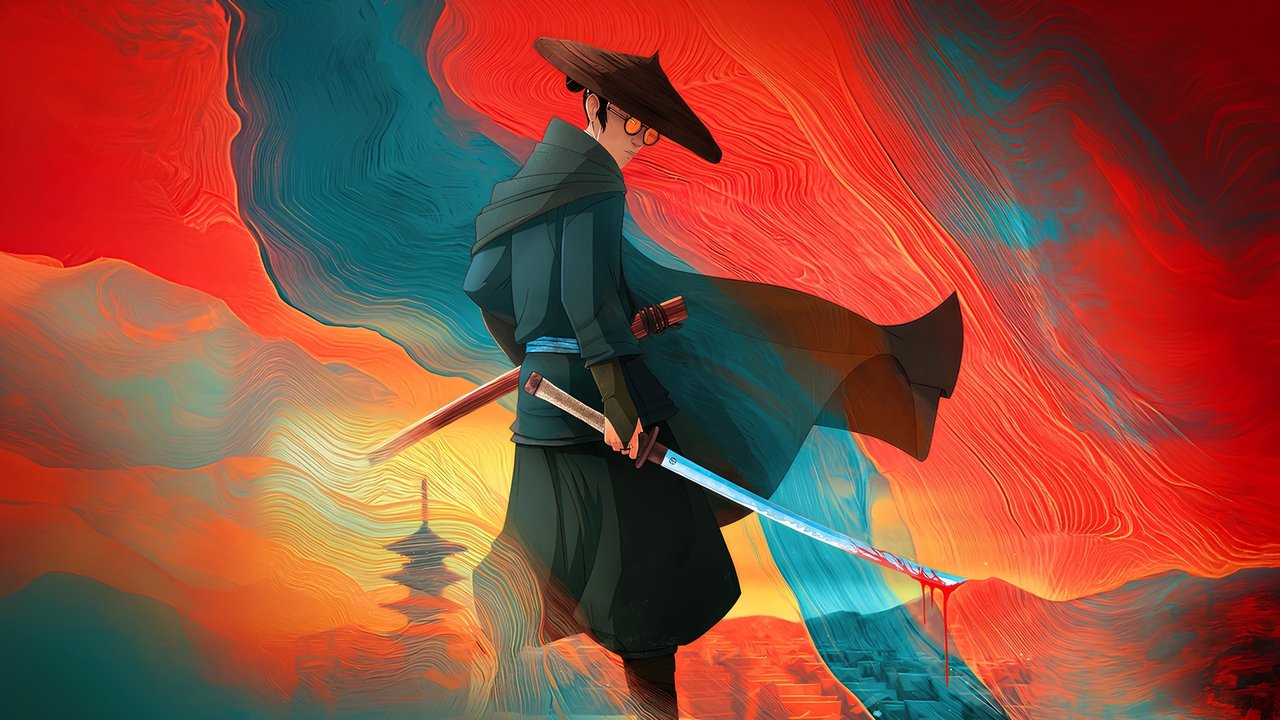
The Swordmaker's Apprentice

from Blue Eye Samurai

Written by Michael Green, Amber Noizumi

Blue Eye Samurai

A young apprentice reveals their true identity and a vengeful quest to their blind mentor. The scene explores themes of identity, 'impurity,' and the philosophical connection between sword-making and the soul.

Start a free 7-day trial — 5 downloads a day, unlimited when Pro begins

Rehearse this scene
Rehearse on your terms

Choose your role and voices for the other characters. Run the scene at your own pace.

Scene PreviewExcerpt — subscribe to read full scene

THE SWORDMAKER

All these years, how many fires?

THE SWORDMAKER

No man can tame this cursed metal.

THE SWORDMAKER

Perhaps it does not want to be a sword.

SAMURAI

All metal wants to be a sword.

SAMURAI

A sword?

End of preview. Continue with Pro below.

7 days freeYour next rehearsal starts here

Found your next scene? Make it yours.

Start your free trial and read The Swordmaker's Apprentice in full, with access to 1,000+ monologues and scenes to explore next.

  • Read the full scene and explore the library
  • Download your script in a clean, printable format
  • Take it into rehearsal with the Script Reader
Casting Types
Get Feedback
Coming Soon

Want expert coaching on this scene?

Browse our curated list of acting coaches, dialect specialists, and more.

Find a Coach

Need representation?

Browse verified agents and casting directors in our directory.

Scene Notes & Audition Tips

5 sections
About This Scene

This compelling duologue, sourced from the Emmy-winning series *Blue Eye Samurai*, presents a pivotal moment of revelation between a young apprentice and their experienced, blind mentor. The scene masterfully intertwines the arduous craft of sword-making with profound themes of identity and personal destiny. It offers actors a rich opportunity to explore vulnerability and determined purpose, as the apprentice unveils a deeply personal secret and a vengeful quest.

Character Analysis

The Swordmaker is a figure of wisdom and quiet strength, having lived a life of sensory deprivation that has perhaps heightened their understanding of truth beyond appearances. Their blindness is not a weakness but a unique lens through which to perceive the world and the apprentice's confession. The Samurai, on the other hand, is driven by a powerful, simmering rage fueled by a traumatic past and a sense of "impurity." This character grapples with profound shame and a fierce, singular focus on revenge, yet beneath this hardened exterior lies a vulnerable soul seeking understanding and validation.

Why This Works for Auditions

This scene is ideal for auditions due to its immediate dramatic hook and the clear arc of emotional transformation for both characters, particularly the Samurai. It allows actors to demonstrate a wide range of emotions, from guardedness and simmering anger to profound vulnerability and determined resolve. The duologue format provides excellent practice in active listening and reacting, which are crucial skills for screen acting, and the classical period setting offers a chance to explore a slightly heightened performance style grounded in authentic emotion.

Best Suited For

This piece is particularly well-suited for actors in the 18-25 age range who embody the casting types of Outsider, Rebel, or Vulnerable. It is an excellent choice for drama school auditions, where showcasing emotional depth and character complexity is paramount. Additionally, its contained nature and strong emotional beats make it perfect for self-tapes, acting classes, and honing screen acting techniques, allowing performers to practice nuanced expressions and internal thought processes.

Performance Tips

When approaching this scene, focus on the physical manifestation of the Samurai’s internal conflict; perhaps they hold their body tightly before their confession, gradually releasing tension as they speak their truth. For the Swordmaker, stillness and active listening will be key to conveying their wisdom and non-judgmental presence. Pay close attention to the philosophical undercurrents of the dialogue, using the metaphorical language of sword-making to inform the emotional beats. Emphasize the shift from the Samurai's initial defensiveness to their ultimate raw honesty, allowing their vulnerability to truly land.

Explore this topic