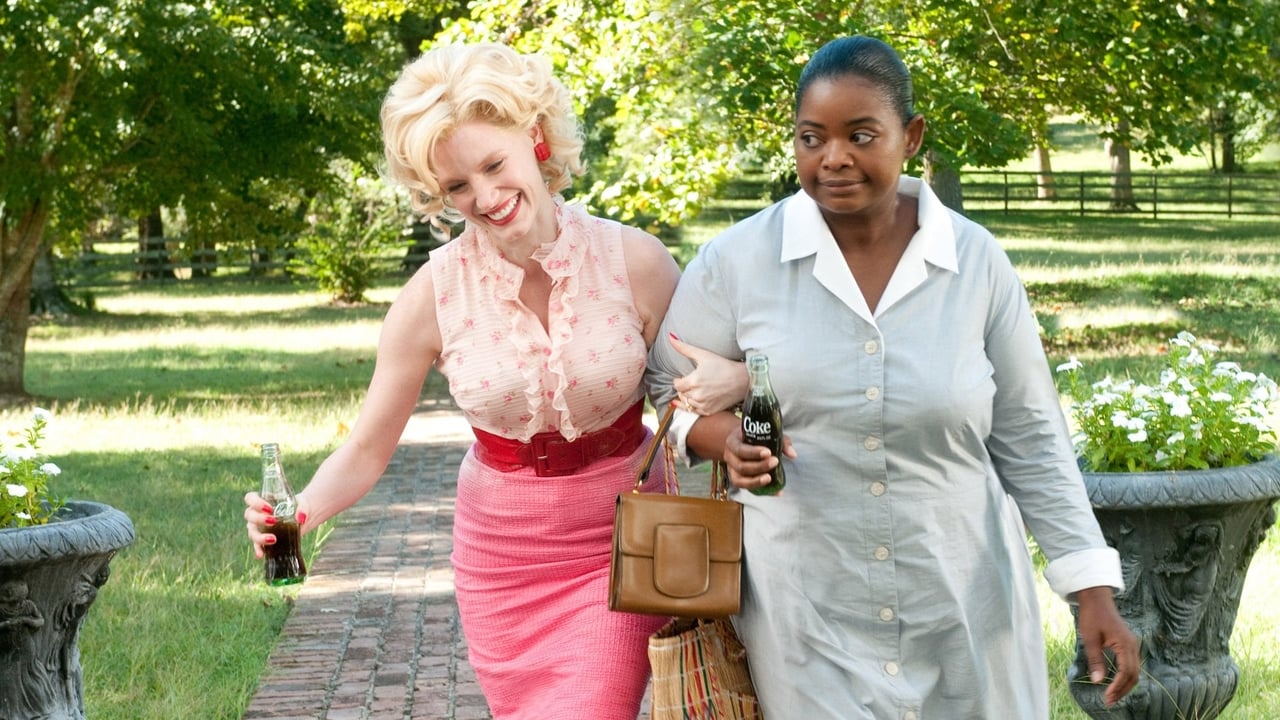

A young Skeeter seeks comfort from her maid, Constantine, after being rejected by boys and feeling like a disappointment to her pageant-queen mother. Constantine delivers a powerful lesson on inner beauty and the daily choice to define one's own worth. The scene highlights a pivotal moment of emotional growth and the deep bond between the two characters.
CONSTANTINE: What you doin' hidin' out here, Girl?
SKEETER: I just couldn't tell momma I didn't get asked to the dance.
CONSTANTINE: It's all right. Some things we just got to keep to ourselves, right?
SKEETER: All the boys say I'm ugly. Momma was third runner up in the Miss South Carolina pageant.
Create a free account to explore more
Upgrade to Pro for full access — £6.99/month
Director's Notes
Want expert coaching on this scene?
Browse our curated list of acting coaches, dialect specialists, and more.
Need representation?
Browse verified agents and casting directors in our directory.
Scene Notes & Audition Tips
About This Scene
This poignant duologue from *The Help* captures a deeply vulnerable moment between a young Skeeter and her wise maid, Constantine. It’s a powerful exploration of self-worth in the face of societal pressures and personal insecurities, offering actors a chance to delve into complex emotional territory and the profound impact of mentorship.
Character Analysis
**Skeeter (Under 18, Ingenue, Vulnerable):** At 15, Skeeter is reeling from rejection and the feeling of inadequacy, particularly in comparison to her "pageant-queen mother." Her emotional journey starts in a place of deep hurt, self-consciousness, and a desire for validation. An actor playing Skeeter needs to convey her lanky awkwardness, the sting of being called "ugly," and her longing for acceptance, transitioning to a glimmer of hope and understanding as Constantine speaks. The subtext is her yearning for a mother figure who understands her in a way her own doesn't.
**Constantine (Mentor, Outsider):** Constantine is the embodiment of wisdom, strength, and unconditional love. She sees beyond Skeeter's youthful insecurities to her true potential. Her motivation isn't just to comfort but to empower. An actor portraying Constantine must bring a grounded presence, an unwavering gaze, and a delivery that conveys profound life experience and a gentle, yet firm, authority. Her emotional journey involves moving from empathetic observation to profound, life-altering guidance.
Why This Works for Auditions
This scene is a fantastic choice for auditions because it showcases a wide emotional range within a short period, perfect for a contemporary duologue. It rapidly moves from sadness and insecurity to understanding and empowerment, demonstrating an actor's ability to navigate complex character relationships. The active listening required from Skeeter and the impactful delivery from Constantine highlight nuance and presence, while the dialogue offers naturalistic yet elevated language. It's an excellent piece for demonstrating vulnerability, resilience, and the power of human connection.
Best Suited For
This duologue is incredibly versatile. It's a strong choice for **drama school auditions** (think RADA, LAMDA, Guildhall) looking for pieces that demonstrate emotional depth and a strong grasp of subtext. It excels as a **self-tape** piece due to its contained nature and clear emotional arc. Actors can confidently use it in **acting classes** to work on listening, emotional truth, and scene partnership. It’s particularly effective for actors suitable for **Ingenue** or **Vulnerable** roles (Skeeter) and **Mentor** or **Grounded** roles (Constantine), especially those aiming for **coming-of-age** or period dramas.
Performance Tips
1. **For Skeeter, embrace the physical:** Don't just *say* you're lanky or hiding; physically embody that discomfort and insecurity. Let your posture, gaze, and movements tell the story of a girl feeling out of place.
2. **For Constantine, find the stillness:** Your power comes from your inner wisdom, not overt theatrics. Use pauses and a steady, resonant voice to convey the weight and truth of your words. Your connection with Skeeter is paramount; ensure your every line reinforces that bond.
3. **Harness the power of the ending:** The physical movement of Constantine taking Skeeter's hand and putting her arm around her as they walk off adds a beautiful, non-verbal beat of comfort and acceptance. Practice this transition to make it feel earned and deeply moving.
How well does this scene match you?
Save your casting profile to see match scores on every scene.
Try Headshot AnalyserGo Pro
£6.99/mo
- ✓ Unlimited scene reading
- ✓ PDF downloads
- ✓ Director's Notes
- ✓ Headshot Analyser
- ✓ Cover Letter Generator
- ✓ Practice Mode
- ✓ Agent Connect
- + 1,000+ scenes
More from The Help
Aibileen's Interview
from The Help
Aibileen reflects on her life as a domestic worker and the generational cycle of servitude during a clandestine interview. The scene highlights the emotional toll of raising white children while grieving her own son, culminating in a tender moment where she instills self-worth in her young charge.
Skeeter's Job Interview
from The Help
Skeeter, an ambitious aspiring writer, interviews for a position at a local newspaper with the cynical and dismissive Mr. Blackly. Despite her impressive academic background and a letter from a prestigious New York editor, she is hired only to ghostwrite a mundane cleaning advice column.
Similar Scenes
Mother's Disappointment, Daughter's Defiance
from Wonder Woman
Queen Hippolyte reprimands her daughter Diana for her reckless behavior and disobedience during a trial of combat. Diana argues that she is ready to face the world of men, but her mother insists she lacks the wisdom to handle the ancient dangers that once destroyed Atlantis.
The Interview — Frank T.J. Mackey
from Magnolia
A high-stakes interview between a charismatic pick-up artist and a journalist turns cold when she confronts him about his fabricated past and his mother's death. Frank's bravado crumbles into a defensive silence as his carefully constructed persona is dismantled.
Lester and Angela
from American Beauty
A middle-aged man and his daughter's teenage friend share a tense, intimate moment in a living room. The scene explores themes of obsession, insecurity, and the fear of being ordinary.
Ephialtes's Betrayal
from 300
Xerxes tempts the rejected Spartan outcast Ephialtes with promises of wealth, pleasure, and status in exchange for the location of the hidden path behind the Spartan lines. Driven by a lifetime of resentment and a desire for the validation denied to him by Leonidas, Ephialtes agrees to betray his people and kneels before the Persian King.