Film
monologue
comedy

The Cerulean Sweater

from The Devil Wears Prada

Written by David Frankel, Aline Brosh McKenna

The Devil Wears Prada

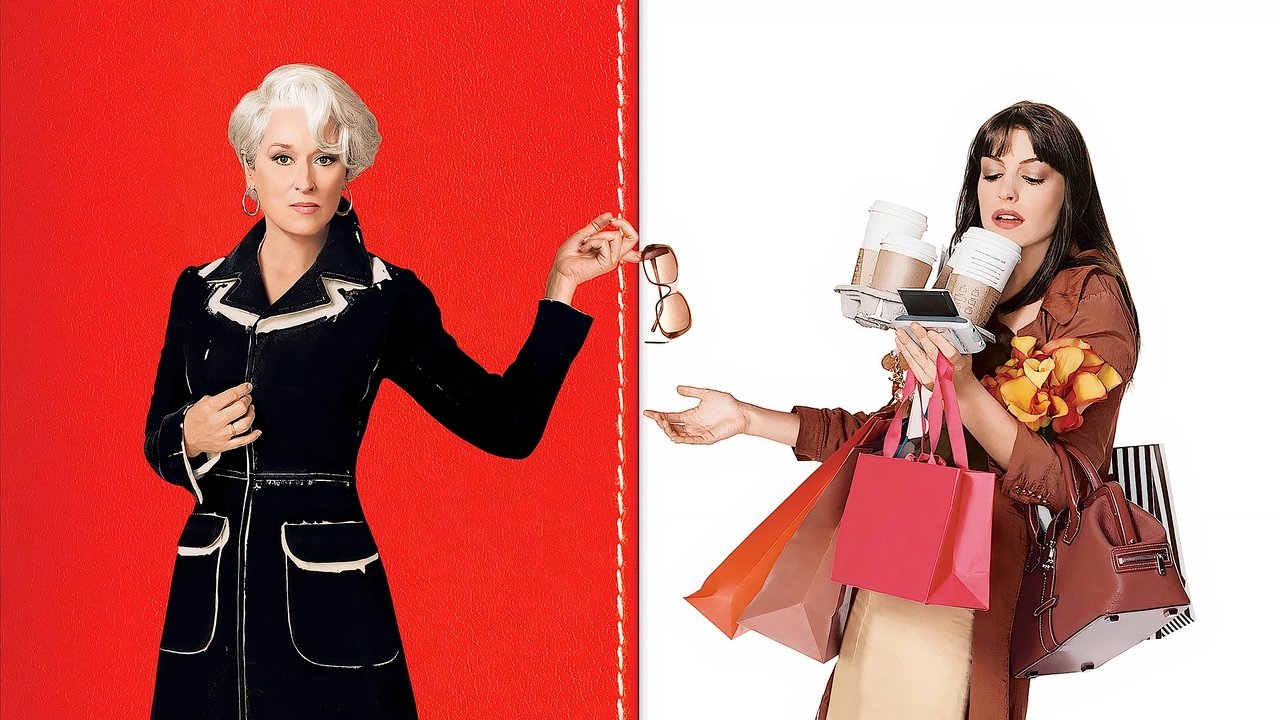
A sardonic, condescending, authoritative, intelligent Miranda Priestly's monologue from "The Devil Wears Prada" by David Frankel and Aline Brosh McKenna.

Start a free 7-day trial — 5 downloads a day, unlimited when Pro begins

Rehearse on your terms

Take this monologue into rehearsal and work through it at your own pace.

Scene PreviewExcerpt — subscribe to read full scene

MIRANDA PRIESTLY

This 'stuff'? Oh, OK. I see, you think this has nothing to do with you. You go to your closet and you select out, oh I don’t know, that lumpy blue sweater, for instance, because you’re trying to tell the world that you take yourself too seriously to care about what you put on your back. But what you don’t know is that that sweater is not just blue, it’s…

End of preview. Continue with Pro below.

7 days freeYour next rehearsal starts here

Found your next scene? Make it yours.

Start your free trial and read The Cerulean Sweater in full, with access to 1,000+ monologues and scenes to explore next.

  • Read the full scene and explore the library
  • Download your script in a clean, printable format
  • Take it into rehearsal with the Script Reader
Casting Types
Get Feedback
Coming Soon

Want expert coaching on this scene?

Browse our curated list of acting coaches, dialect specialists, and more.

Find a Coach

Need representation?

Browse verified agents and casting directors in our directory.

Scene Notes & Audition Tips

5 sections
About This Scene

This monologue presents a character at the height of their power, delivering a cutting and unforgettable lesson to a subordinate. It masterfully blends sardonic humor with a clear demonstration of authority, leaving the audience with no doubt about who is in charge. The scene is a compelling study of how subtle manipulation and intellectual superiority can be wielded with devastating effect, all while discussing something as seemingly innocuous as fashion.

Character Analysis

Miranda Priestly is a formidable and highly intelligent individual, accustomed to being the ultimate arbiter of taste and power within her domain. She possesses a piercing intellect and a dry wit, often expressed through thinly veiled condescension. Her command of language is precise and impactful, allowing her to dismantle an argument with seemingly effortless superiority. Although she appears cold and unfeeling, there is an underlying passion for her industry that fuels her exacting standards, driving her to educate and assert her influence.

Why This Works for Auditions

This monologue is an excellent choice for auditions as it immediately showcases an actor's ability to embody complex and powerful female characters. It demands vocal precision, strong projection of emotion through subtle shifts in tone, and an unwavering stage presence. The scene's comedic undercurrent, coupled with its dramatic weight, allows actors to demonstrate a versatile range within a singular performance, highlighting both intensity and sardonic humor.

Best Suited For

This piece is ideally suited for female actors in the 40-60 age range who are looking to portray strong, authoritative, and sophisticated characters. It is particularly effective for those auditioning for roles such as business executives, matriarchs, or even nuanced villains. Actors who excel at delivering sharp, intelligent dialogue with a touch of dry humor will find this monologue a rewarding challenge and a fantastic opportunity to shine.

Performance Tips

When approaching this monologue, focus on Miranda's intellectual superiority and the casual ease with which she wields her power. Avoid playing her as overtly angry; instead, lean into the condescension and the almost scientific precision with which she deconstructs another person's ignorance. Pay close attention to vocal dynamics and subtle inflections to convey her intelligence and the underlying disdain. Remember, her power comes from her knowledge and her unwavering belief in her own perspective, not from shouting or overt aggression.

Explore this topic