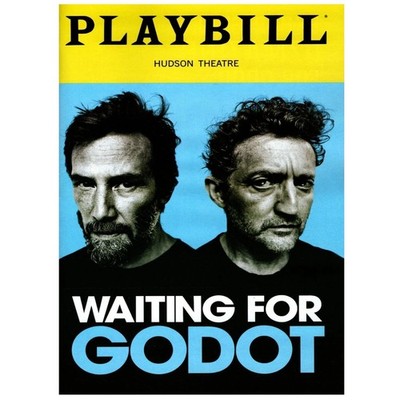
Act II — All the Dead Voices — Waiting for Godot

Vladimir and Estragon engage in a rhythmic, existential stichomythia about the 'dead voices' that haunt their silence. They struggle to maintain a conversation to distract themselves from the anguish of waiting and the void of their existence.

VLADIMIR: What do they say?

ESTRAGON: They talk about their lives.

VLADIMIR: To have lived is not enough for them.

ESTRAGON: They have to talk about it.

VLADIMIR: To be dead is not enough for them.

Format: Duologue · Genre: Comedy-Drama · Source: Waiting for Godot · Author: Samuel Beckett · Characters: Vladimir, Estragon

About This Scene

This two-minute duologue, "Act II — All the Dead Voices," features Vladimir and Estragon in a quintessential absurdist exchange from Samuel Beckett's "Waiting for Godot." The scene delves into their shared experience of processing the 'dead voices' that fill their silences, exploring themes of memory, existence, and the human need for communication. It's a comedic-drama piece that masterfully uses minimalist dialogue to convey profound existential musings.

Character Analysis

Vladimir and Estragon are two sides of a coin, perpetually linked by their waiting and their unique coping mechanisms. Vladimir often takes on a more contemplative, questioning role, striving for meaning and understanding in their predicament. Estragon is typically more grounded, reactive, and concerned with immediate physical comforts or frustrations. Both characters, however, share a fundamental vulnerability and a comedic futility in their attempts to fill the void of their existence, making them relatable everyman figures despite their extraordinary circumstances.

Why This Works for Auditions

This scene is an excellent choice for auditions due to its minimal duration and rich subtext. The stichomythia, or rapid-fire dialogue, demands precise timing and a deep understanding of rhythm and comedic-dramatic balance from both actors. It allows performers to showcase not only their vocal dexterity and comedic timing but also their ability to convey profundity and vulnerability through subtle shifts in tone and reaction. The scene's absurd nature ensures it stands out, offering a unique opportunity to demonstrate character development within a constrained framework.

Best Suited For

This duologue is ideally suited for actors seeking material for drama school auditions, general practice, or competitions. It particularly benefits actors in the 35-45 age range who can embody the character type of an "Everyman" or a "Vulnerable" individual with a comedic edge. Actors who excel at character work and can navigate the nuances of modern-classic comedic-drama will find this scene a compelling and effective showcase for their talents.

Performance Tips

When approaching "Act II — All the Dead Voices," focus intently on the rhythm and pacing of the stichomythia; each line is a reaction, building on the previous one. Pay close attention to the sound quality of the "dead voices," experimenting with how these abstract concepts manifest physically and vocally for your character. Embrace the inherent vulnerability and the comedic absurdity of their situation, allowing moments of genuine pathos to emerge from their seemingly repetitive conversation. Remember, the silence between the lines is just as important as the words themselves.