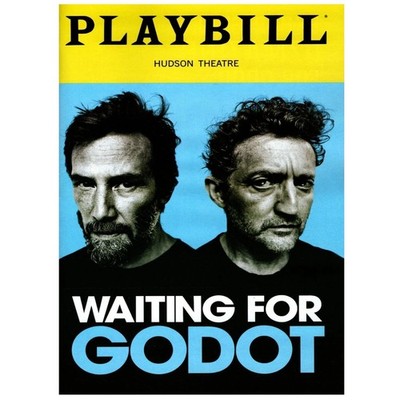
Play
duologue
Comedy-Drama

Act I — Nothing to be Done

from Waiting for Godot

Written by Samuel Beckett

Waiting for Godot

Two vagrants, Vladimir and Estragon, reunite on a desolate road. They engage in circular, existential banter about boots, the Bible, and their purpose while waiting for the mysterious Godot.

Start a free 7-day trial — 5 downloads a day, unlimited when Pro begins

Rehearse this scene
Rehearse on your terms

Choose your role and voices for the other characters. Run the scene at your own pace.

Scene PreviewExcerpt — subscribe to read full scene

ESTRAGON

Nothing to be done.

VLADIMIR

I'm beginning to come round to that opinion. All my life I've tried to put it from me, saying Vladimir, be reasonable, you haven't yet tried everything. And I resumed the struggle.

ESTRAGON

Charming spot. Inspiring prospects. Let's go.

VLADIMIR

We can't.

ESTRAGON

Why not?

End of preview. Continue with Pro below.

7 days freeYour next rehearsal starts here

Found your next scene? Make it yours.

Start your free trial and read Act I — Nothing to be Done in full, with access to 1,000+ monologues and scenes to explore next.

  • Read the full scene and explore the library
  • Download your script in a clean, printable format
  • Take it into rehearsal with the Script Reader
Casting Types
Get Feedback
Coming Soon

Want expert coaching on this scene?

Browse our curated list of acting coaches, dialect specialists, and more.

Find a Coach

Need representation?

Browse verified agents and casting directors in our directory.

Scene Notes & Audition Tips

5 sections
About This Scene

This seminal duologue from a modern-classic play presents the immediate reunion of Vladimir and Estragon on a seemingly barren road. Their conversation quickly spirals into a characteristically circular and philosophical exchange, touching upon the mundane, the spiritual, and their overarching sense of purpose. This scene masterfully introduces the characters' predicament and their unique, vulnerable dynamic, setting the tone for their enduring wait for the enigmatic Godot.

Character Analysis

Vladimir is introduced as the more reflective and perhaps slightly more grounded of the two, attempting to intellectualize their situation and grapple with existential thoughts, even if ultimately futile. Estragon, on the other hand, appears more focused on immediate physical discomforts and pragmatic, albeit often contradictory, desires. Both characters exhibit a profound vulnerability beneath their conversational sparring, revealing a deep-seated reliance on each other and a shared sense of bewilderment in their strange reality.

Why This Works for Auditions

This scene is a fantastic choice for auditions due to its immediate establishment of a clear, yet complex, dynamic between two distinct characters. It offers significant opportunities for actors to showcase both comedic timing and a nuanced understanding of dramatic subtext, all within a vulnerable and poignant framework. The minimalist setting and focus on dialogue allow the actors' choices and connection to truly shine.

Best Suited For

This duologue is exceptionally well-suited for actors aged 35-45, particularly those who identify as character actors, comedic relief, Everyman types, or those able to portray vulnerability with depth. Its themes of absurdism and existentialism make it a strong contender for drama school auditions, where a demonstration of intellectual engagement with text is valued. It's also excellent for general practice and agent showcases, offering a memorable and impactful performance opportunity.

Performance Tips

When approaching this scene, focus on the inherent rhythm and musicality of the dialogue; the repetition and circularity are key to its unique tone. Embrace the vulnerability of both Vladimir and Estragon, allowing their unspoken fears and reliance on each other to inform your choices. Pay close attention to the subtext of their seemingly mundane exchanges, finding the underlying philosophical weight and emotional need in each line. Allow for genuine pauses and moments of thought, as these are crucial to conveying the characters' sense of timeless uncertainty.

Explore this topic