
Film
group
Drama

The Piano Duel

from The Legend of 1900

Written by Giuseppe Tornatore

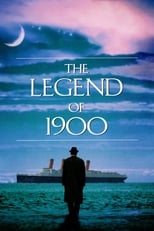
The Legend of 1900

A legendary jazz pianist, Jelly Roll Morton, challenges the enigmatic 1900 to a piano duel. 1900's friend, Max, desperately tries to encourage 1900 to take the challenge seriously, while 1900 remains unconcerned and appreciative of his opponent's skill.

Start a free 7-day trial — 5 downloads a day, unlimited when Pro begins

Rehearse this scene
Rehearse on your terms

Choose your role and voices for the other characters. Run the scene at your own pace.

Scene PreviewExcerpt — subscribe to read full scene

JELLY ROLL MORTON

I believe you're sitting in my seat. You're the one who invented jazz, right? 1900: That's what they say.

JELLY ROLL MORTON

And you're the one who can't play unless you have the ocean under your ass?
End of preview. Continue with Pro below.

7 days freeYour next rehearsal starts here

Found your next scene? Make it yours.

Start your free trial and read The Piano Duel in full, with access to 1,000+ monologues and scenes to explore next.

  • Read the full scene and explore the library
  • Download your script in a clean, printable format
  • Take it into rehearsal with the Script Reader
Casting Types
Get Feedback
Coming Soon

Want expert coaching on this scene?

Browse our curated list of acting coaches, dialect specialists, and more.

Find a Coach

Need representation?

Browse verified agents and casting directors in our directory.

Scene Notes & Audition Tips

5 sections
About This Scene

This dramatic group scene from *The Legend of 1900* showcases a high-stakes piano duel between the legendary Jelly Roll Morton and the enigmatic 1900. The tension builds through the dialogue, with Morton's confident, almost poetic self-aggrandizement setting the stage for a musical showdown, while Max, 1900's friend, frantically tries to impress upon 1900 the seriousness of the competition. It's a fantastic exploration of contrasting personalities and motivations within a charged atmosphere.

Character Analysis

Jelly Roll Morton is presented as a charismatic and somewhat arrogant figure, completely assured of his own talent and reputation, possessing a flair for dramatic storytelling and provocation. 1900, on the other hand, is portrayed as blissfully unconcerned with the competitive aspect, instead displaying a deep appreciation for music and his opponent's skill, almost to the point of naivety. Max is the anchor of frantic energy, embodying loyalty and desperation, concerned about his friend's reputation and his own financial gamble, providing excellent comedic contrast.

Why This Works for Auditions

This scene is ideal for auditions because it offers rich character dynamics and a clear narrative arc of conflict and contrasting perspectives. The distinct personalities of Jelly Roll Morton, 1900, and Max provide ample opportunity for actors to showcase range, from Morton's flamboyant confidence to 1900's calm detachment and Max's escalating panic. Its intense tone and dramatic stakes make it a compelling choice for actors aiming to demonstrate their ability to handle charged emotional material.

Best Suited For

This scene is best suited for male actors in the 35-45 age range, particularly those who excel at portraying "Character Actors," "Musicians," or "Intense" and "Quirky" types. It's excellent for self-tapes where an actor can fully commit to the distinct physicality and vocal choices of each character. The scene’s focus on contrasting personalities also makes it strong for general practice, allowing actors to explore different approaches to character development.

Performance Tips

When tackling this scene, actors should focus on clearly differentiating the internal worlds and external expressions of each character. For Jelly Roll Morton, lean into his theatricality, using vocal quality and physical presence to convey his immense self-belief and swagger. For 1900, find his serene inner peace and genuine wonder, contrasting it with Max's agitation. Max's performance should highlight his increasing desperation and loyalty, using pace and volume to show his rising panic effectively.

Explore this topic